

2026 FIFA World Cup Fans: The good, the bad and the ugly (Part 5)

Profile of fans of the 16 national teams from the Union of European Football Associations that qualified for the 2026 World Cup.
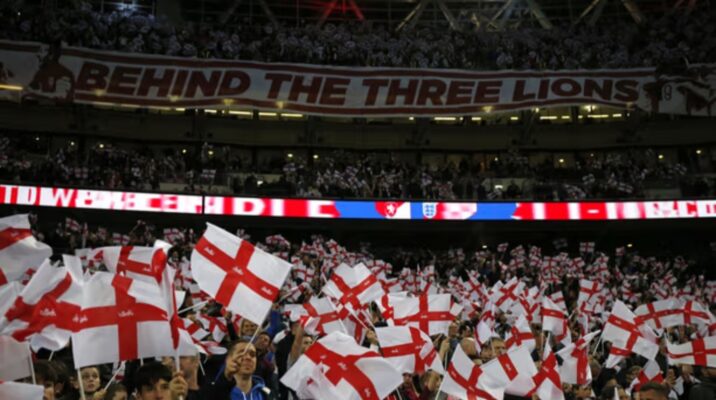
England: The national team and their supporters are called ‘The Three Lions’. The nickname comes from the team’s official crest, which features three golden lions on a red background. The design has its roots in the 12th century and royal emblems used by King Richard the Lionheart. The Football Association has used the iconic lions on the team’s shirts since their first-ever international match in 1872.
The massive and dedicated crowds of England supporters who travel to away matches and major tournaments are also collectively referred to, especially by the media, as ‘The England Army’. England football fans and England cricket fans have historically shared a nickname, ‘The Barmy Army’, to describe their highly spirited, loud, and sometimes chaotic nature in the stands.
The fanbase is also heavily concentrated globally, with active supporter groups spread across North America, Australia, and Asia. Their massive global and domestic following is officially organised under the England Supporters Travel Club. Their official fan branch is the England Supporters Club. They operate the Travel Club, which offers priority access to tickets for home and away matches, tournament tickets, and exclusive merchandise discounts.
The fans are widely known for their iconic, loud, synchronised chants of ‘Football’s Coming Home’, which is the most prominent anthem sung during major tournaments. The country’s national flag is heavily integrated into fan gear.
France: The national team and their fans are jointly called ‘Les Bleus’, meaning ‘The Blues’. The national team are also known as ‘Les Tricolores’, meaning ‘The Tricolours’, which refers to the blue, white, and red colours of the country’s flag. They are also called ‘Les Coqs’, meaning ‘The Roosters’, in reference to the Gallic rooster, which is a national symbol of France and appears on the team’s crest.
The Supporters Club de France was founded in 1995. They are the first and oldest officially recognised association dedicated to following the national teams across various disciplines, including football.
The Club des Supporters de l’Équipe de France is endorsed by the French Football Federation as the official fan platform that gathers members for major tournaments and offers exclusive ticketing, fan zones, and travel packages.
The fans are well known for singing ‘La Marseillaise’, which is the French national anthem, before and during matches. Other popular chants they make include ‘Allez les Bleus!’, meaning ‘Go on the Blues’, while making rhythmic clappings accompanied by tri-colour scarves and banners. The national team’s fanbase has hugely grown worldwide, especially in Francophone countries.
Croatia: The national football team and their supporters are called ‘Vatreni’, meaning ‘The Fiery Ones’ or ‘The Blazers’. The team is also known as ‘Kockasti’, meaning ‘The Checkered Ones’, a reference to the distinctive red-and-white checkered pattern on their classic home kits. The supporters are known for their passion, massive travelling diaspora, and iconic checkered šahovnica patterns. Their dedicated fanbase spans the globe, deeply tied to domestic clubs and the international Croatian community.
‘Uvijek Vjerni’, meaning ‘Always Faithful’, is the official national fan club endorsed by the Croatian Football Federation to organise travel, ticketing, and events for matches globally.
A newer fan group called ‘Mi Hrvati’, meaning ‘We Croatians’, was formed in Knin in 2020. They collaborate with the national team and the Croatian Fans Embassy platform to coordinate positive match-day support.
The team have a massive global fanbase in the U.S., Canada, Australia, and South America. They also often organise viewing parties at community centres.
Norway: The national football team, referred to as ‘Løvene’, meaning ‘The Lions’, also have other nicknames, such as ‘Røde, Hvite, Blå’, meaning ‘Red, White and Blue’, and ‘Landslaget’, meaning ‘The National Team’, which locals use to refer to both the squad and their base of supporters.
Additionally, the team was famously known as Drillos during the 1990s and early 2000s, in honour of their successful and distinctive playing style under former head coach Egil “Drillo” Olsen.
Supporters are commonly called ‘The Viking Army’, an affectionate, culturally rooted name used by international followers and the media to describe the team’s massive and passionate fanbase.
Also, ‘Oljeberget’, which means ‘The Oil Mountain’, was established in the early 1990s as the official and best-known independent supporter club for the national team, designed to gather everyone in the stands behind the squad.
Portugal: The national football team are called ‘A Seleção das Quinas’, meaning ‘The Selection of the Shields’. The name is tied to the National flag and cultural history. They are also frequently referred to as ‘Os Navegadores’, meaning ‘The Navigators’, in homage to the country’s rich historical heritage of famous explorers who set out across the oceans in search of new territories.
The fans are collectively known as the ‘Selecção das Quinas supporters’. They are globally recognised for their passion, vibrant red-and-green attire, and devotion to their legendary players.
Fans proudly deck themselves out in the national colours of crimson red and forest green, waving the Portuguese flag and often carrying traditional red scarves. They are a globally diverse fanbase with massive followings on social media.
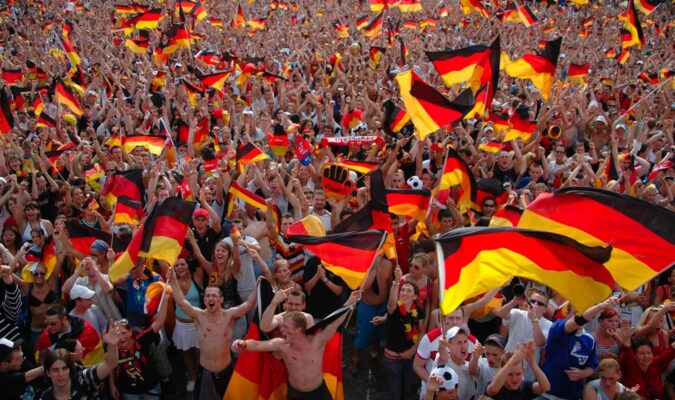
Germany: The national team are called the ‘German Machines’, or ‘Die Nationalelf’, meaning ‘The National Eleven’ or ‘DFB-Elf’, or ‘Die Mannschaft’, meaning ‘The Team’, while their supporters are called ‘Die Fans’, meaning ‘The Fans’, or collectively as the supporters of the Germany national football team.
The massively passionate fans are known for their vibrant public viewings and extravagant street displays, as well as their signature black, red, and gold colours.
The official umbrella organisation for supporters is the Fan Club Nationalmannschaft, which acts as the direct link between the German Football Association and followers. The club organises ticket sales, away travel, and exclusive meet-and-greets with players.
Netherlands: The national team are called ‘Oranje’, meaning ‘The Orange’, to pay tribute to the Dutch royal family, the House of Orange-Nassau, and the country’s national colour. They also bear ‘Clockwork Orange’, in reference to their highly organised, precise passing style popularised during the 1970s “Total Football” era.
They are also referred to as ‘The Flying Dutchmen’, in reference to the team’s speed, attacking prowess, and famous Dutch folklore. They are the so-called ‘Orange Army’, a massive, loyal sea of supporters who follow the team across the globe.
Their fans are collectively known as ‘Het Oranje Legioen’, meaning ‘The Orange Legion’. They can also be called ‘Oranjefans’.
The fans follow their team to international matches and tournaments, creating massive crowds and the ‘Oranjegekte’, meaning ‘Orange Madness’, a cultural phenomenon in which fans travel in a sea of bright orange to support their squad.
Austria: The national team’s nickname is ‘Das Team’, meaning ‘The Team’. They are also referred to as ‘Burschen’, meaning ‘The Boys’, or ‘Unsere Burschen’, meaning ‘Our Boys’, or ‘Wunderteam’, meaning ‘Wonder Team’, a historical nickname given to the legendary Austrian squad of the 1930s.
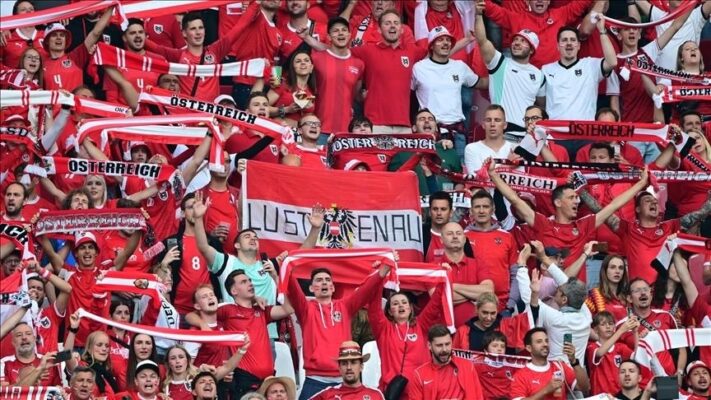
The fans are collectively known as the ‘Red Hots’. They are a passionate, rapidly growing community known for their iconic red-and-white apparel and their heartwarming tradition of serenading the squad with the song ‘I am from Austria’ as victory chants.
The ÖFB Corner is the official community for the Austrian Football Association, where die-hard fans can find ticketing information, community forums, and match updates.
Although their core fanbase resides in Austria, their global reach has expanded. There is a highly recognised, dedicated group of Austrian supporters called the ‘Red-Suit Fans’, which was established around 2016. This group wear matching red coats, trousers, and ties with white shirts to mirror the nation’s colours. Their fan anthem is a rendition of the Austropop song “I am from Austria” by Rainhard Fendrich, which they sing in the stadium.
Belgium: The national team are called ‘The Red Devils’. Since Belgium is a multilingual country, the nickname is translated into its three official languages: Dutch: De Rode Duivels, French: Les Diables Rouges, and German: Die Roten Teufel.
The moniker dates back to 1905, when the Dutch press described the Belgian players as “working like devils” during a match against the Netherlands. Combined with their traditional bright red jerseys, the iconic nickname was born.
The official and collective nickname of the team’s supporters is ‘1895’, which is also the name of their official and primary fan club, organised by the Royal Belgian Football Association. Members are known as ‘Red Insiders’ and enjoy exclusive ticketing access, merchandise discounts, and priority seating for home and major tournament matches.
Scotland: The national team and their fans are collectively called the ‘Tartan Army’. The fans are globally renowned for their vocal support, colourful kilts, bagpipes, and friendly disposition.
The name was officially coined in the 1970s to describe the massive, kilt-wearing crowds of the supporters travelling to matches. The Scotland supporters are famous for travelling in massive numbers, turning away matches across Europe and North America into “home” games.
The Tartan Army has won multiple awards from organisations like FIFA and UEFA for their fair play, cordial conduct, and charity drives.
The supporters loudly chant their famous Scottish anthems, such as ‘Flower of Scotland’, ‘Loch Lomond’, and ‘The Bonnie Banks o’ Loch Lomond’, to intimidate opponents and encourage their players.
Spain: The national team are called ‘La Roja’, meaning ‘The Red One’, which refers to ‘The Red and Yellow’, honouring the distinct colours of the Spanish national flag.
They are also called ‘La Furia Roja/La Furia Española’, meaning ‘The Red Fury’ or ‘The Spanish Fury’. This is an older, historical nickname that originated in the 1920 Antwerp Olympics, referring to the team’s fierce, aggressive, and highly physical style of play. The fans also adopted these nicknames.
The team is backed by various localised and global supporter clubs, often cheering in red and yellow while chanting ‘¡Yo soy español!’, meaning ‘I am Spanish!’.
Switzerland: The national team and fans are called ‘Nati’, which is short for the national team. They are also called ‘Rossocrociati’, which translates to ‘Red Crosses’ in English.
The fans are a highly united and multilingual community. Driven by a shared love for the game, they come together to support the team regardless of whether they speak German, French, Italian, or Romansh.
The fans cheer for the team in different regional variations: “Hopp Schwiiz!” (Swiss German), Hop Suisse! (French), Forza Svizzera! (Italian), and Ancora Svizra! (Romansh).
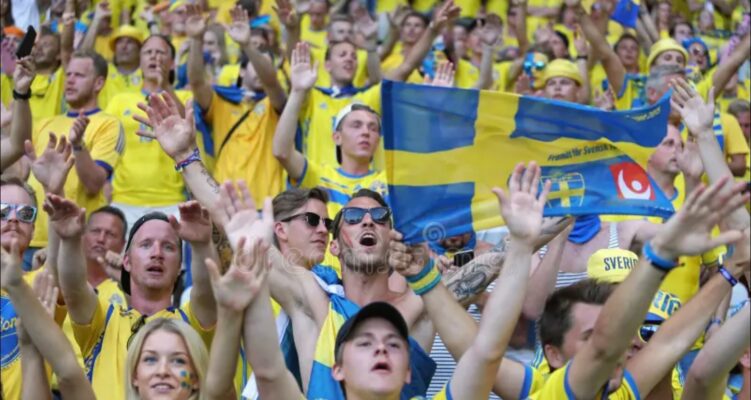
Sweden: The national team and the fans are called ‘Blågult’, translated from English as ‘The Blue and Yellow’, in reference to the team’s traditional primary kit colours, which are derived from the iconic yellow-and-blue national flag.
The official supporters’ club is called ‘Camp Sweden’. They play a massive role in uniting and coordinating travelling supporters for international matches. The fans are highly regarded internationally for their fair play, good sportsmanship, and festive, family-friendly atmosphere during major tournaments.
Turkey: The national team and the fans share the nickname ‘Ay-Yıldızlılar, meaning ‘The Crescent-Stars, which references the star and crescent on the Turkish national flag.
The team are also popularly known as ‘Bizim Çocuklar’, meaning ‘Our Boys’. The name is used to reflect the close, personal connection the supporters have with their national squad. Their fans also chant this moniker as a rallying cry and social media hashtag to cheer their team to victory.
Bosnia and Herzegovina: The national team are called ‘Zmajevi’, meaning ‘The Dragon’, coined by a sports commentator in 2009 and later adopted by fans. It is often tied to the historical legacy of the famed Bosnian general Husein Gradaščević, who was known as the ‘Dragon of Bosnia’.
They are also called ‘Zlatni Ljiljani’, meaning ‘The Golden Lilies’, which was the team’s original nickname after independence. The name refers to the golden lily, a historical symbol of medieval Bosnia and of the country’s early post-independence coat of arms.
The main supporters’ group for the Bosnia and Herzegovina national football team is known as the BHFanaticos. This group follows the national teams across all sports.
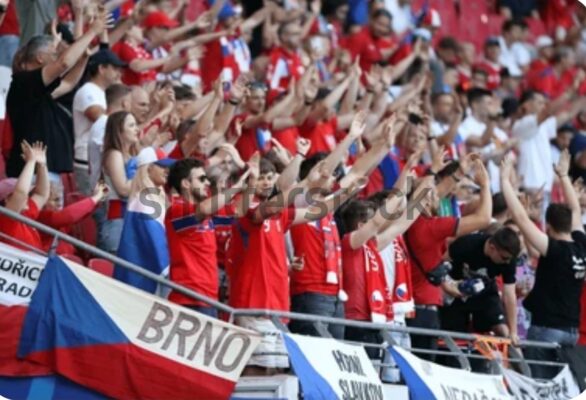
Czech Republic: The national team is called ‘Nároďák’ or ‘Národní tým’, meaning ‘The National Team’; ‘Repre’ meaning ‘The Representatives’; ‘Naši’ meaning ‘Our Boys’; or ‘Čeští lvi’ meaning ‘The Czech Lions’. The team’s dedicated supporters are also known as ‘Naši’, meaning ‘Our Boys’, to highlight the close bond between the team and the Czech fanbase.
Pix 1: England 🇬🇧
Pix 2: France 🇫🇷
Pix3: Croatia 🇭🇷
Pix 4: Norway 🇳🇴
Pix 5: Portugal 🇵🇹
Pix 6: Germany 🇩🇪
Pix 7: Netherlands 🇳🇱
Pix 8: Austria 🇦🇹
Pix 9: Belgium 🇧🇪
Pix 10: Scotland
Pix 11: Spain 🇪🇸
Pix 12: Switzerland 🇨🇭
Pox 13: Sweden 🇸🇪
Pix 14: Turkey 🇹🇷
Pix 15: Bosnia and Herzegovina 🇧🇦
Pix 16: Czech Republic 🇨🇿

We have recently deactivated our website's comment provider in favour of other channels of distribution and commentary. We encourage you to join the conversation on our stories via our Facebook, Twitter and other social media pages.

More from Peoples Gazette

States
Independence: NBA urges Nigerians to expect better future
The NBA said that ordinary Nigerians should be deriving benefit from the subsidy removal rather than hardship.

Agriculture
FG tasks ECOWAS on leveraging financing strategies for agroecology
The federal government has urged stakeholders in the agriculture and finance sectors in the West Africa region to leverage financing strategies to enhance agroecology practices

Politics
Katsina youths pledge to deliver over 2 million votes to Atiku
“Katsina State is Atiku’s political base because it is his second home.”

Lagos
Lagos government arrests 215 suspected street beggars
According to the commissioner, the operation was part of efforts to maintain public order.
States
Stakeholders seek measures to sustain VCDP gains in Kogi
Ms Aliyu said VCDP had demonstrated that smallholder farmers could become viable economic actors.

Agriculture
Nigeria’s wheat production rises from 120,000 to 420,000 tonnes annually: FG
The government said the scheme is part of President Bola Tinubu’s Renewed Hope Agenda.
Agriculture
Livestock minister orders compulsory tagging of animals to curb theft
The minister is in the state for a two-day working visit to assess L-PRES projects.
NationWide
Troops rescue 15 kidnap victims, nab two suspects in nationwide operations
An operational report indicated that the operations were conducted between October 1 and 2.
States
Benue reviews outdated laws to address emerging challenges
The commissioner said the review process was capital-intensive.


