

79% of Nigerian children feel unsafe online, says Techsocietal

A civic technology organisation, Techsocietal, on Tuesday said that a survey had shown that 79 per cent of Nigerian children aged 11 to 16 years feel unsafe online.
Techsocietal’s programmes manager, Gabriel Odunsi, disclosed this at its 2026 Safer Internet Day workshop for educators held in Lagos.
Mr Odunsi said further that the survey revealed that 97 per cent of Nigerian children had experienced unwanted sexual approaches through chatrooms, social networking sites and emails.
He said that the survey also indicated that 93 per cent of children aged 11-16 had accessed the internet on phones or other digital devices.
Mr Odunsi said, “Eighty-nine per cent of these children reported receiving sexual images or content online. Children are increasingly connected through smartphones, social media and online platforms, making the digital space central to learning, communication and identity formation.”
He said the findings further revealed that 48 per cent of children watch videos online daily, while 85 per cent browse and use chat and social networking sites daily.
Mr Odunsi identified key online risks facing school children as cyberbullying, online sexual abuse, exposure to harmful content such as pornography and violence, privacy breaches, scams and exploitation, as well as problematic screen use.
According to him, excessive screen time can lead to sleep problems, reduced attention span and declining academic performance.
“Students are constantly connected through smartphones, social media and online platforms, exposing them to vast information and diverse perspectives at a young age.
“While access to digital tools enhances research, creativity and collaboration, it also creates risks such as distraction, reduced attention span and information overload.
“Digital platforms now shape friendships and peer relationships; they also influence how children build reputation and identity,” Mr Odunsi said.
Mr Odunsi stressed that this was why educators must provide guidance on safe and respectful online behaviour. He said teachers must model responsible digital behaviour, integrate digital literacy into daily teaching, recognise warning signs of digital harm and collaborate with parents and communities to protect learners.
He noted that many education professionals still lacked practical guidance on addressing emerging digital risks, including technology-facilitated harm and data privacy concerns, in an age-appropriate manner.
(NAN)

We have recently deactivated our website's comment provider in favour of other channels of distribution and commentary. We encourage you to join the conversation on our stories via our Facebook, Twitter and other social media pages.

More from Peoples Gazette

Agriculture
FG tasks ECOWAS on leveraging financing strategies for agroecology
The federal government has urged stakeholders in the agriculture and finance sectors in the West Africa region to leverage financing strategies to enhance agroecology practices

Politics
Katsina youths pledge to deliver over 2 million votes to Atiku
“Katsina State is Atiku’s political base because it is his second home.”
World
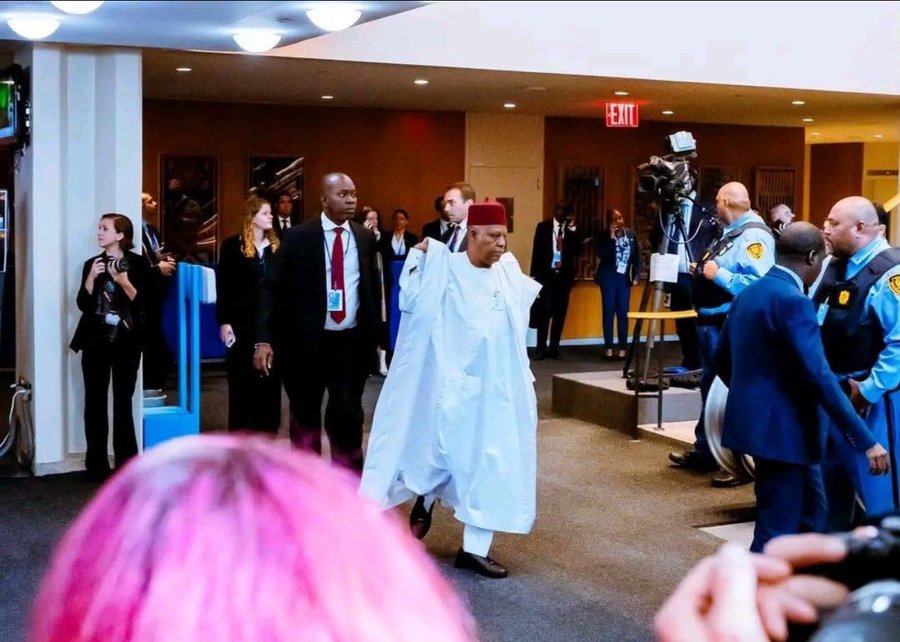
Shettima: Diaspora remittances strengthening Nigeria’s external position
Vice-President Kashim Shettima lauded Nigerians in the diaspora for their economic contributions, saying their remittances are strengthening Nigeria’s external position.

Enugu
Ebonyi assembly reviews salaries of LG chairmen, DC coordinators
LG chairmen will now earn N450,000; vice-chairmen, N400,000; secretaries, N240,000; supervisors, N230,000; and SAs to chairmen, N165,000. Legislative leaders will earn N300,000.

Abuja
NCoS unveils unified training manual, standardised course badges
The Nigerian Correctional Service has unveiled its first-ever unified training manual and standardised professional course badges for its training institutions nationwide.

Economy
Power generation plants utilised 86% of available capacity in August: NERC
The Nigerian Electricity Regulatory Commission says the country’s grid-connected power plants utilised 86 per cent of available generation capacity in August.
Economy
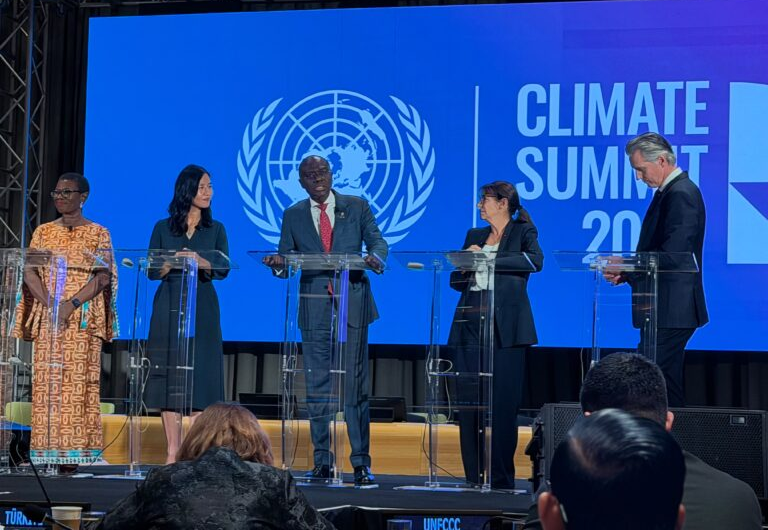
Sanwo-Olu seeks affordable climate finance for subnational govts
Governor Babajide Sanwo-Olu has urged the international community to provide affordable, long-term financing to help subnational governments implement climate solutions at scale.

Abuja
Abuja motorists laud sanctions on filling stations for under-dispensing petrol
Some Abuja motorists have commended NMDPRA for sanctioning petrol retail outlets accused of under-dispensing fuel.


