

Posting Havard photos amidst ASUU strike insensitive; Gbajabiamila tenders apology

Speaker of the House of Representatives, Femi Gbajabiamila, has apologised for circulating photos of himself receiving lectures at Harvard while Nigerian public universities remained shut over prolonged industrial action by lecturers.
Mr Gbajabiamila admitted that his social media post was insensitive to the plight of students who have had to endure the long stalemate in their academic pursuits.
“Yesterday, I posted a picture of myself at the @Harvard @Kennedy_School, undergoing a course. That post was not sensitive to the present feelings of fellow citizens, bearing the brunt of the ongoing closure of public universities owing to the unresolved issues between the Academic Staff Union of Universities and the Federal Government of Nigeria.
“I apologize for the post at this time, and I hope you will understand that it was not my intention to cause disaffection,” Mr Gbajabiamila said in a series of tweets on his official handle on Wednesday.
Mr Gbajabiamila had on Tuesday circulated photos of himself receiving lectures at Harvard University in the United States, Peoples Gazette reported.
The speaker has since come under heavy criticisms as Nigerians came down heavily on him for his insensitive display.
ASUU strike has seen public universities across the country shut down since February, leaving hundreds of thousands of students at home.
The union said successive Nigerian administrations failed to implement the agreements reached in 2009. ASUU has demanded Mr President Muhammadu Buhari adopt the Universities Transparency and Accountability Solution (UTAS) for paying universities’ staff salaries instead of the Integrated Personnel Payroll Information System and the payment of academic earned allowance (EAA), among others.
On Tuesday, Nigeria Labour Congress across the country protested in solidarity with ASUU, demanding that President Muhammadu Buhari meet their demands so students could return to school. The protests were held in Lagos, Jos, Akure and other cities across the country.

We have recently deactivated our website's comment provider in favour of other channels of distribution and commentary. We encourage you to join the conversation on our stories via our Facebook, Twitter and other social media pages.

More from Peoples Gazette

States
Independence: NBA urges Nigerians to expect better future
The NBA said that ordinary Nigerians should be deriving benefit from the subsidy removal rather than hardship.

Agriculture
FG tasks ECOWAS on leveraging financing strategies for agroecology
The federal government has urged stakeholders in the agriculture and finance sectors in the West Africa region to leverage financing strategies to enhance agroecology practices

Politics
Katsina youths pledge to deliver over 2 million votes to Atiku
“Katsina State is Atiku’s political base because it is his second home.”

Economy
UN chief seeks increased investment in clean electricity
Mr Guterres made the call during a high-level dialogue on clean energy transition and electrification, titled ‘35 by 35: Powering the Future’, in Antalya, Türkiye.
Opinion
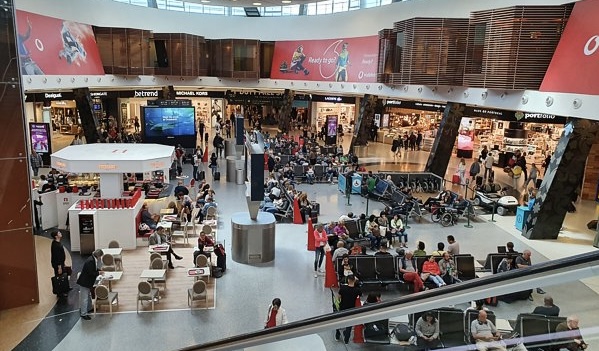
Rudolf Okonkwo: Diary of an African travelling across Europe
The Europeans who once crossed oceans to divide Africa among themselves have now found ways to bring much of their own continent together.
Showbiz
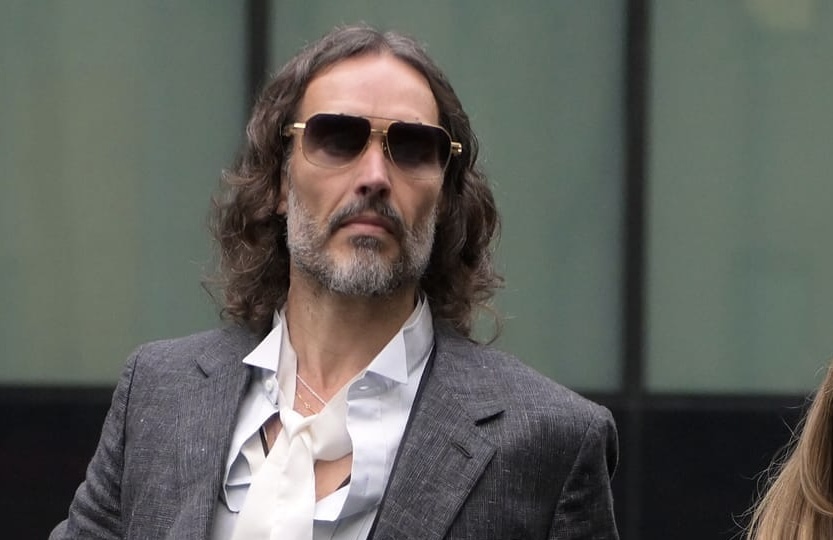
Meta deactivates Russell Brand’s Instagram, Facebook accounts after rape sentencing
Meta has deactivated British former comedian and actor Russell Brand’s Instagram and Facebook accounts following his conviction and sentencing for four sexual offences.
Abuja
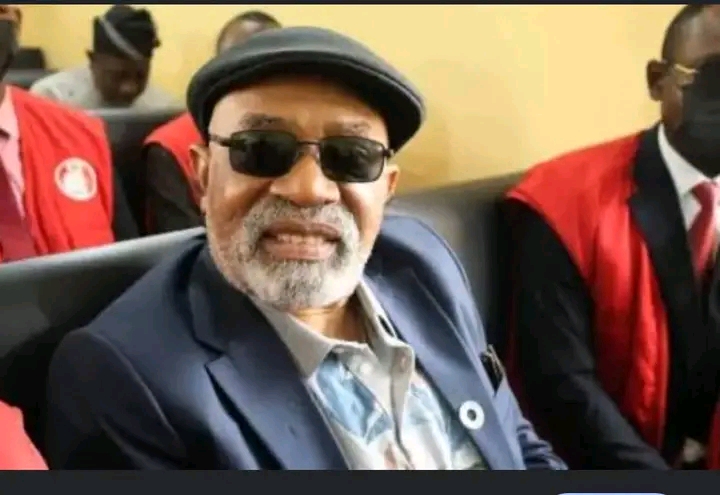
NSITF: EFCC continues N2 billion fraud trial against ex-labour minister Chris Ngige
The Economic and Financial Crimes Commission, EFCC, says it has continued prosecuting former labour minister Chris Ngige over alleged abuse of office.

Economy
Stock market loses N293 billion as profit-taking persists
The Nigerian stock market closed on a negative note on Wednesday as investors’ wealth declined by N293 billion.

Health
Domestic TB funding rose 14% to $5.6 billion, says WHO
WHO says domestic funding for TB rose 14 per cent to $5.6 billion between 2024 and 2025, helping sustain essential services despite declining international financing.


