

Islamic emirate Dubai scraps 30% alcohol tax to boost tourism
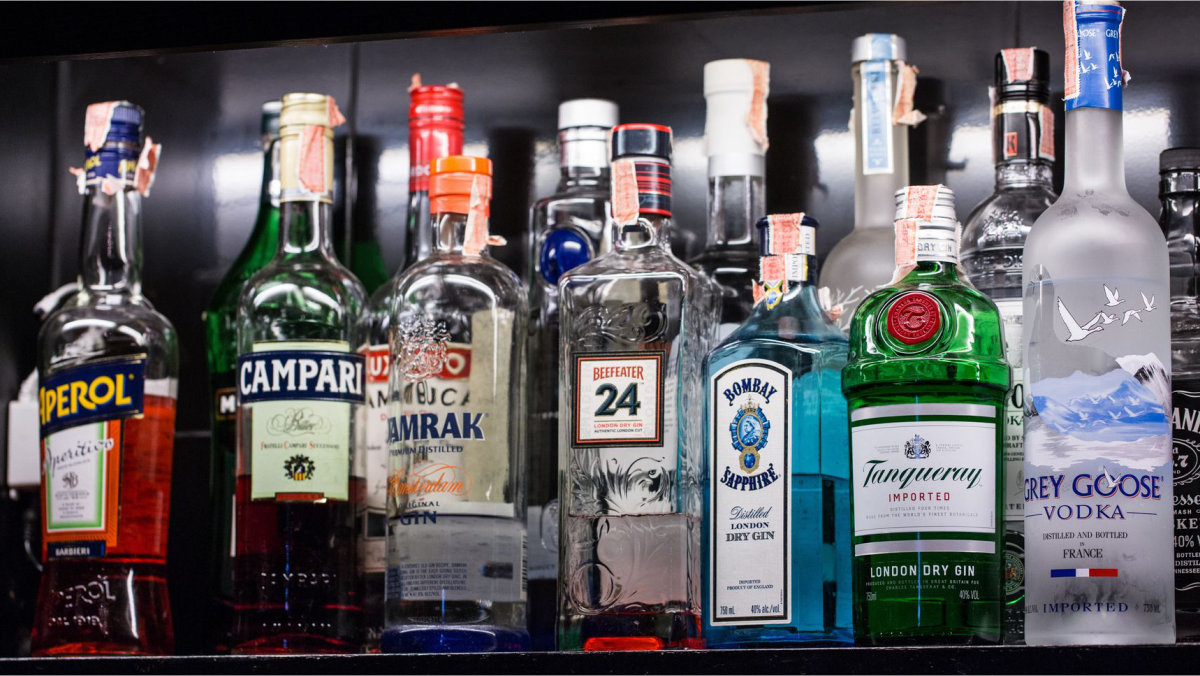
Dubai authorities have removed the 30 per cent tax levied on alcoholic beverages in a move to attract more tourists who now have more travel options to other nations in the Middle East.
Additionally, Dubai has scrapped the licence fees previously imposed on persons who buy alcohol, now making it free-to-purchase for eligible consumers with valid IDs and tourist passports.
Maritime and Mercantile International (MMI) and African & Eastern, Dubai’s two largest alcohol distributors, claimed that the tax cancellation, which took effect on January 1, will make alcohol widely accessible to all consumers.
“With the removal of 30% municipality tax and a free alcohol licence, buying your favourite drinks is now easier and cheaper than ever,” MMI wrote on its Instagram page.
“Since we began our operations in Dubai over 100 years ago, the emirate’s approach has remained dynamic, sensitive and inclusive for all,” MMI CEO, Tyrone Reid, told AP.
“These recently updated regulations are instrumental to continue ensuring the safe and responsible purchase and consumption of alcoholic beverages in Dubai and the UAE,” MMI noted while clarifying that the five per cent Value Added Tax on its products would still apply.
The tax cut is aimed at attracting more tourists and expatriate residents to Dubai which now faces increased competition from neighbouring nations like Saudi Arabia and Qatar, host of the 2022 World Cup.
Financial Times said the tax cut was only a temporary measure, expected to last for one year after which it may be extended or reversed.
The tax cut in Dubai, an Islamic emirate, has sparked debate of double standards in Nigeria’s Muslim-dominated states like Kano, Bauchi and Jigawa, where the Hisbah morality police destroy alcohol, considered a sin in Islam.
Some Nigerians are perplexed as to why a wealthy, pious city like Dubai would abolish alcohol taxes but Nigerians who practice the same Islam would set up a security outfit called Hisbah morality police to destroy beer bottles.
Beer trucks and bottles worth millions of naira have been seized and destroyed by the morality police since its establishment.

We have recently deactivated our website's comment provider in favour of other channels of distribution and commentary. We encourage you to join the conversation on our stories via our Facebook, Twitter and other social media pages.

More from Peoples Gazette

Agriculture
FG tasks ECOWAS on leveraging financing strategies for agroecology
The federal government has urged stakeholders in the agriculture and finance sectors in the West Africa region to leverage financing strategies to enhance agroecology practices

Politics
Katsina youths pledge to deliver over 2 million votes to Atiku
“Katsina State is Atiku’s political base because it is his second home.”
Economy
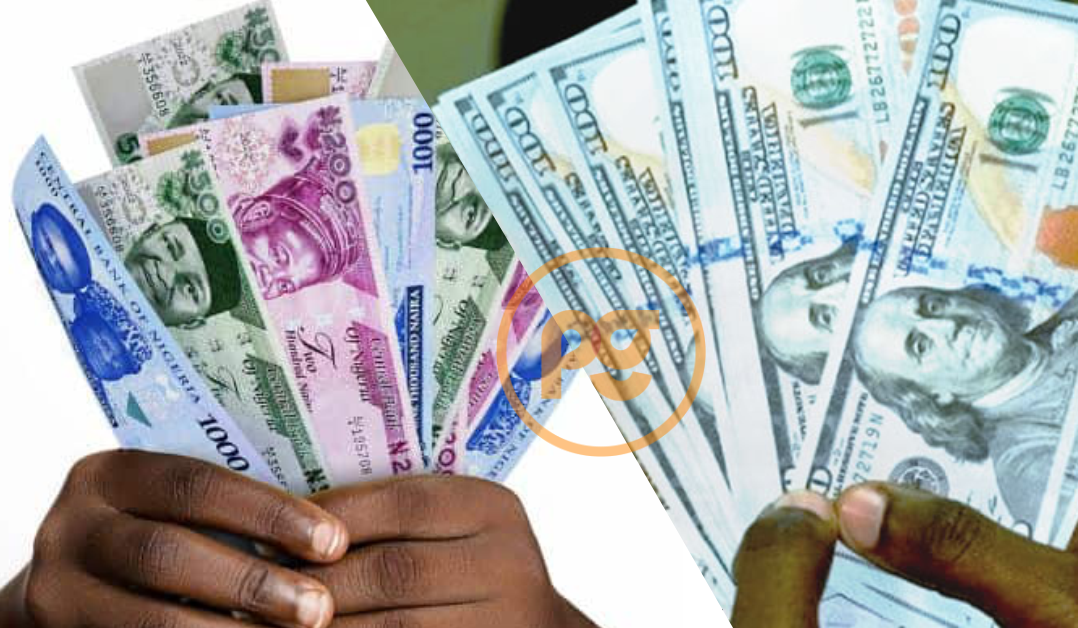
Naira ends week stronger with 0.9% gain against dollar at official market
Data published on Friday by the Central Bank of Nigeria (CBN) showed the local currency gained N1.34 compared with Thursday’s closing rate of N1,381.52 per dollar.
States
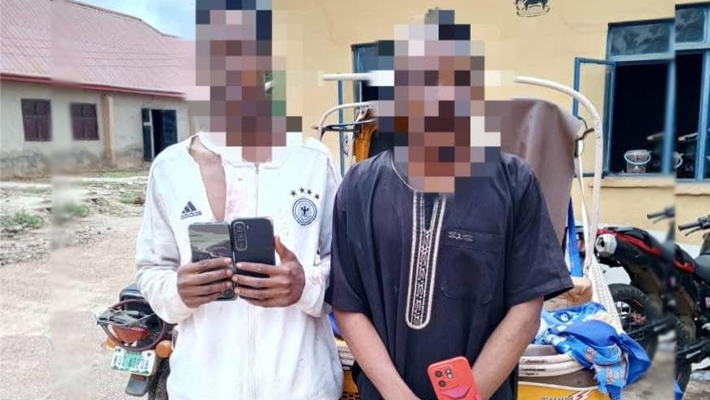
Niger: Police rescue two suspected phone thieves from mob
He identified the suspects as Hassan Abdullahi, 20, and Khalifa Bashir, 22.

Heading 5
Court of Appeal nullifies Electoral Act provisions on parties’ primary election, membership register
Zenith Party argued that the disputed Electoral Act provisions unlawfully interfered with the internal affairs of political parties.

Lagos
Governor Sanwo-Olu inaugurates climate investment fund
Mr Sanwo-Olu described the fund as a landmark intervention.
States
Judiciary partners revenue board to boost IGR in Taraba
Mr Agya commended the service for its reforms.

NationWide
NRC reaffirms police partnership to protect rail assets
Mr Opeifa described the nation’s railway infrastructure as critical national assets that must be safeguarded.


