

UNICEF asks FG to provide toilet subsidy to vulnerable Nigerians
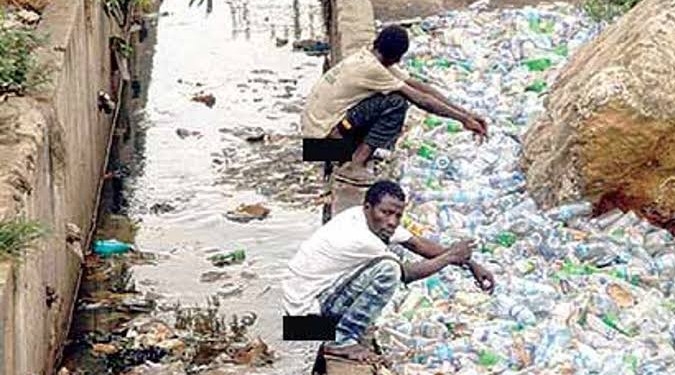
Jane Bevan, UNICEF chief of Water, Sanitation and Hygiene (WASH), Nigeria, said introducing subsidies would encourage vulnerable persons in communities to build and use their toilets.
Ms Bevan explained that this would improve their well-being and contribute towards meeting the National Open Defecation Free (ODF) Roadmap in the country before 2025.
According to her, this can be introduced during the triggering stages of Community-Led Total Sanitation processes to encourage communities to take ownership of their hygiene.
The WASH specialist said that for intervention areas, communities decided on those less privileged and chose who got the subsidy, saying this had already commenced in two states.
Ms Bevan said with many communities still suffering from a lack of toilets, this brought negative consequences such as the outbreak of diseases, including cholera.
“Children suffer mostly during an outbreak of disease. This is the reason we must stop open defecation. We are thinking about introducing subsidies to encourage vulnerable people to build their toilets. We are working to do this through introduction of loans in Bauchi and Oyo states,” she said.
Ms Bevan said open defecation remained a challenge, with data from the Water Sanitation and Hygiene National Outcome Routine Mapping (WASHNORM) 2021 survey showing that 48 million Nigerians practise open defecation.
“This data represents 23 per cent of the population, in spite of the efforts by government and partners at ending open defecation, the rapidly growing population is dwarfing the gains made so far,” added the UNICEF official.
The WASHNORM reveals that only 10 per cent of Nigeria’s population had access to integrated basic WASH services while an estimated 48 million people were still practising open defecation.
This has serious negative health and security implications on the populace and the attainment of Sustainable Development Goals Six.
In addition, access to WASH services in institutions and public places were generally low, with 11 per cent, 6 per cent and 4 per cent recorded for access to WASH in schools, health facilities and markets/motor parks, respectively.
(NAN)

We have recently deactivated our website's comment provider in favour of other channels of distribution and commentary. We encourage you to join the conversation on our stories via our Facebook, Twitter and other social media pages.

More from Peoples Gazette

States
Independence: NBA urges Nigerians to expect better future
The NBA said that ordinary Nigerians should be deriving benefit from the subsidy removal rather than hardship.

Agriculture
FG tasks ECOWAS on leveraging financing strategies for agroecology
The federal government has urged stakeholders in the agriculture and finance sectors in the West Africa region to leverage financing strategies to enhance agroecology practices

Politics
Katsina youths pledge to deliver over 2 million votes to Atiku
“Katsina State is Atiku’s political base because it is his second home.”

States
Police warn youths against blocking Kebbi-Sokoto highway
Mr Usman said the latest blockade disrupted vehicular movement for about three hours.

Africa
U.S. warns citizens travelling to South Africa over crime, terrorism, unrest
The acting national police commissioner said at least 10 vehicles were burnt in Johannesburg and 14 in Durban.

Economy
Nigeria’s $1 trillion economy depends on homegrown innovation, market access: NBTI DG
The DG said sustainable national prosperity cannot be achieved through government expenditure or natural resources alone.

NationWide
NBET begins N729 billion legacy debt payments to GenCos
Mr Odeyemi described the development as a significant milestone in implementing the debt reduction programme.

Africa
Anti-foreigner protests force South Africa to withdraw asylum seekers applications
The protests erupted over a Constitutional Court ruling easing access to asylum.

Heading 2
2028 Olympics: Super Falcons defeat Comoros 2-0 in first leg
The Nigerian team finally opened the scoring in the 48th minute with a tap-in by Michelle Alozie.


