


Nigerian money launderers most famous worldwide: Report

Beyond the pomp and pageantry of the real estate sector in Nigeria is a thriving grey market for skilled money launderers and thieving political elite.
With the use of third parties, relations, professionals and trusted associates, ill-gotten gains are seamlessly cleaned up and diverted into high-priced real estate acquisitions.
The IMF estimates the amount of money laundered worldwide at about $3.5 trillion. Anti-corruption authorities in Nigeria tout the real estate sector as the second most vulnerable to money laundering next to bureau de change operators.
A four-bed duplex in Abuja can go for as high as N200 million, a price far above what most Nigerians could afford.
Anti-corruption campaigners have long suggested a strong linkage between money laundering and the inflated value of property in highbrow cities across the country.
Despite growing demand for housing, which stands at about 20 percent in cities like Lagos and Abuja per annum, enduring investments of laundered funds in real estate have culminated in high cost of houses in both urban and suburban areas.
Developed but uninhabited settlements have become the predominant spectacle across the Nigrian capital, even as the housing deficit worsens.
The Civil Society Legislative Advocacy Centre (CISLAC) in a report issued Tuesday, suggests that Nigeria “has produced some of the most famous money launderers in the world.”
Listed among Nigerian ‘big men’, who the report notes, used their political and business links for illegal money laundering schemes centered around luxurious real estates all over the world are James Ibori, Emmanuel Nwude, Joshua Dariye, and Diepreye Alamieyeseigha.
James Ibori
The former Delta State governor was convicted by a London court in 2012 on 10 counts of fraud and money laundering amounting to at least £50 million.

The amount, which was said to have been pilfered from the Delta State government, was laundered in the UK through the purchase of real estate and other exotic cars.
Mr. Ibori, who has since returned to Nigeria after serving a 13-year jail term in England, still wields political and cultural influence in his home state.
Joshua Dariye
A two-term governor of Plateau State (May 1999 to 29 May 2007), Mr. Dariye was accused of looting over $12 million during his administration.

The funds were reported to have been stashed in both local and foreign bank accounts under his name and those of his close associates. $210,000 was seized from the former governor upon his arrest in London by the Metropolitan Police on suspicion of money laundering.
Diepreye Alamieyeseigha
The late former governor of Bayelsa state (1999 to 2005) was arrested and detained in the UK in 2005 on charges of money laundering. The Metropolitan Police was reported to have found about £1 million in his London apartment.

A total of £1.8 million was later discovered in cash and bank accounts, with the discovery of four luxury apartments traced to him worth £10 million.
Emmanuel Nwude
A one time banker turned “fraudster”, Nwude was involved in a classic case of Advanced Fee Fraud to the tune of over USD190 million between 1995 and 1998. Having successfully laundered the proceeds of the crime without detection, Mr. Nwude made significant investments in real estate in Nigeria and Europe.
Mr. Nwude has since been convicted and sentenced to jail on multiple charges of fraud.
Extant regulations
The Money Laundering (Prohibition) Act 2011 as amended (MLPA) makes provisions criminalising money laundering. It also imposes duties/responsibilities on financial institutions, non-governmental agencies and designated non-financial institutions.
Non-conviction based approach to asset seizures by the EFCC has greatly increased the volume of recovered assets, which in turn has reduced protracted litigation between the anti-graft agency and personalities suspected of money laundering.
But anti-corruption campaigners have decried the measures as inadequate, suggesting strongly that the culprits have devised ways of circumventing the law in pursuit of their ignoble trade.

We have recently deactivated our website's comment provider in favour of other channels of distribution and commentary. We encourage you to join the conversation on our stories via our Facebook, Twitter and other social media pages.

More from Peoples Gazette

States
Independence: NBA urges Nigerians to expect better future
The NBA said that ordinary Nigerians should be deriving benefit from the subsidy removal rather than hardship.
Agriculture
FG tasks ECOWAS on leveraging financing strategies for agroecology
The federal government has urged stakeholders in the agriculture and finance sectors in the West Africa region to leverage financing strategies to enhance agroecology practices
Politics
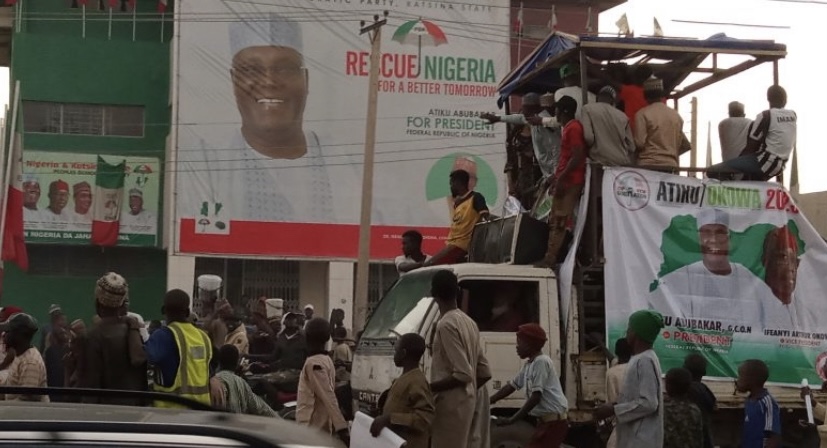
Katsina youths pledge to deliver over 2 million votes to Atiku
“Katsina State is Atiku’s political base because it is his second home.”

Politics
2027 Election: Obasa urges support for Tinubu, Hamzat
Mr Obasa also urged supporters to reach out to their neighbours, wards and communities to secure widespread support for the APC candidates.
Economy
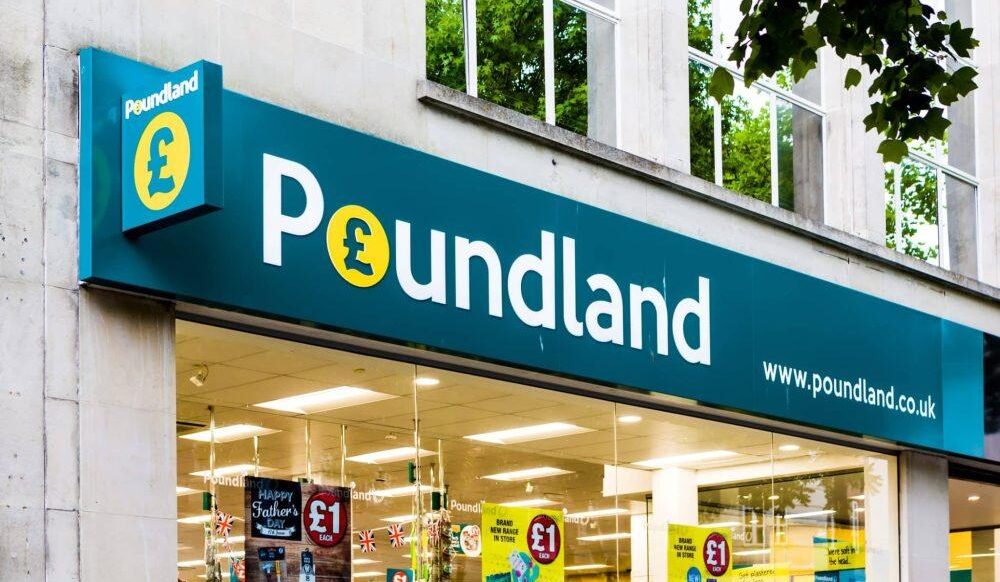
Nearly 11,000 projected to lose jobs amid Poundland collapse
Gordon Brothers, Poundland’s U.S. private equity owners, began a sale process in September. Several bidders turned up, but none met the owners’ demands.
Politics
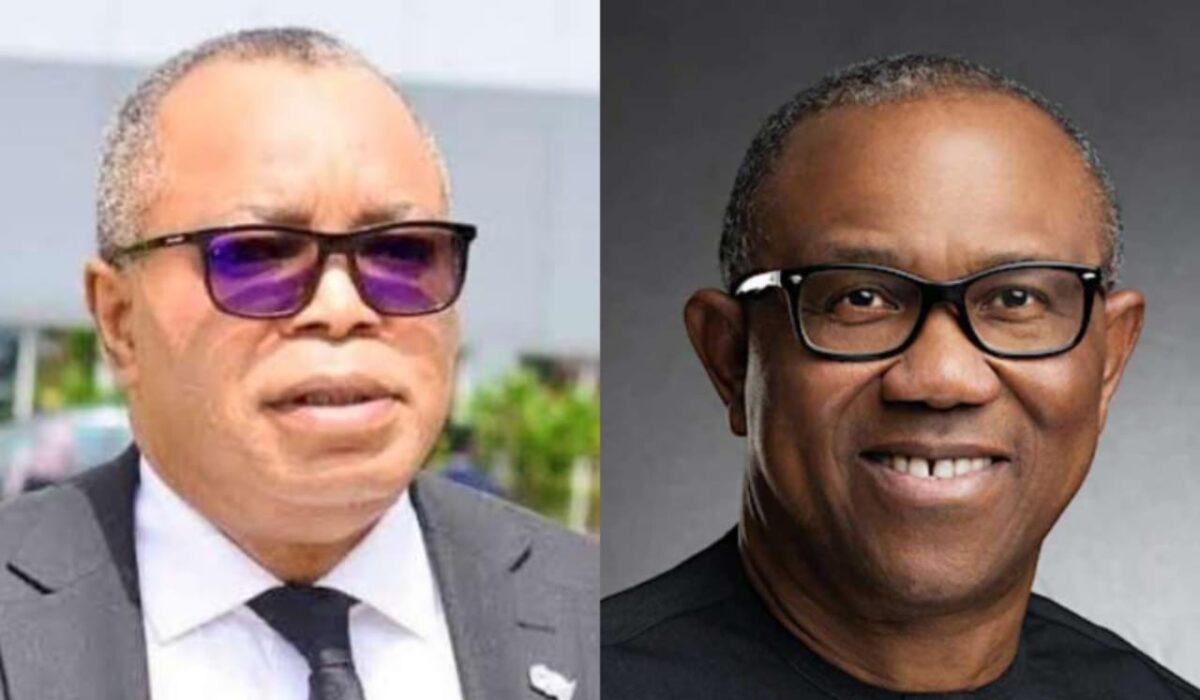
Edo APC chairman’s ‘I hate Peter Obi’ video resurfaces after shooting incident
“I don’t like Peter Obi. I still maintain it. I don’t like him. And if I don’t like somebody, I hate the person. I’m an extremist,” Mr Tenebe said.

Economy
African banks increase AI investments despite outdated banking systems: Report
African banks are increasing investments in AI despite spending more than half of their technology budgets on maintaining outdated information technology systems.

States
888 cases of gender-based violence recorded in Nasarawa in nine months: Commissioner
The commissioner said the 888 cases were reported in nine months of 2026, compared with the 852 cases reported in the same period in 2025.

Sport
Asisat Oshoala bags MSc in international sports management
Asisat Oshoala has bagged a Master of Science degree in International Sports Management from the Global Institute of Sport (GIS).


