
PenCom set to launch a healthcare programme targeting 30,000 low-income retirees this month, alongside a minimum pension guarantee for eligible beneficiaries.

The CBN said it will withdraw excess liquidity from the financial system if increased spending ahead of the 2027 general elections fuels inflation.

The CBN cut its benchmark interest rate to 23 per cent from 26.5 per cent, as inflation continues to ease.
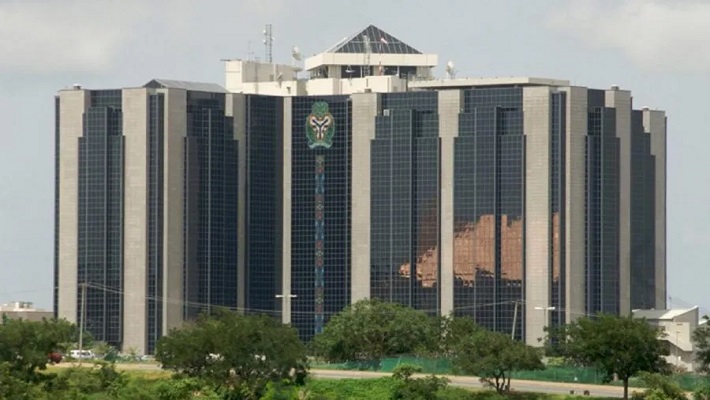
Despite increased access to formal and digital financial services, a new report found that about six in every 10 Nigerian adults remain in severe liquidity distress.

The federal government has begun paying the newly introduced exit benefit for retiring federal civil servants, with about N1.1 billion paid to 175 retirees.

“The market is still here in Nigeria, and I am signed up to other apps. They are basically the same people using different apps,” a driver said.

The NBS said headline inflation fell to 15.43% in July from 15.91% in June.

“The era of abundant liquidity, chasing returns regardless of risk, is over. Investors now have more choices and less tolerance for uncertainty,” said Mr Cardoso.
“Nigeria needs to continue the work on overall macroeconomic reforms with a careful approach to fiscal issues, contracting of debt and debt management,” the WTO chief stated.

Most economists expect the MPC to leave the MPR, the benchmark interest rate, unchanged at 26.5 per cent when it announces its decision on Tuesday.


