

AfDB urges Nigeria, others to explore ‘natural capital’ to finance SDGs

Africa must use all its comparative advantages to mobilize the resources needed to finance its sustainable development ambitions.
The African Development Bank (AfDB) made the call in a statement on Tuesday.
The statement reported the Organisation for Economic Co-operation and Development (OECD) saying that since 2010, Africa’s official development assistance declined to its lowest level of $34 billion in 2022.
It said the continent’s access to international capital markets remained constrained and costly due to investors’ perceptions of high risk.
However, it said the continent was not short of options as it could draw immense potential of natural capital, including fresh water, forests and extensive mineral deposits to attract investment and accelerate economic growth.
“This is what the Annual Meetings of the AfDB scheduled to take place from May 22 to 26 in Sharm El Sheikh, Egypt, intend to demonstrate,’’ it stated.
According to the statement, about 30 per cent of global mineral reserves is in Africa, including 60 per cent of world cobalt reserves and 90 per cent of platinum-group metals.
It further said the continent contributed substantially to the world’s annual production of six key minerals.
“This includes 80 per cent of platinum, 77 per cent of cobalt, 51 per cent of manganese, 46 per cent of diamonds, 39 per cent of chromium and 22 per cent of gold,” the bank explained. “Africa holds seven per cent of the world’s natural gas and oil reserves, has more than 60 per cent of undeveloped arable land, and is home to 13 per cent of the world’s population.”
AfDB added that 60 per cent of its people are under 25 years of age, the youngest population in the world and that about 75 per cent of African countries have maritime access, offering significant opportunities in the blue economy, which has a global potential of an estimated $1.5 trillion if sustainably managed.
The statement said hundreds of internationally listed junior mining companies over the years had mobilised considerable capital by promoting the value of their exploration or extraction licenses for African deposits on markets.
According to the statement, governments have often failed to harness this natural potential to mobilise resources.
(NAN)

We have recently deactivated our website's comment provider in favour of other channels of distribution and commentary. We encourage you to join the conversation on our stories via our Facebook, Twitter and other social media pages.

More from Peoples Gazette

Agriculture
FG tasks ECOWAS on leveraging financing strategies for agroecology
The federal government has urged stakeholders in the agriculture and finance sectors in the West Africa region to leverage financing strategies to enhance agroecology practices

Politics
Katsina youths pledge to deliver over 2 million votes to Atiku
“Katsina State is Atiku’s political base because it is his second home.”

World
Mamdani Threat: Trump says Netanyahu won’t be arrested in U.S.
Mr Trump, in a post on Truth Social on Monday, dismissed New York City Mayor Zohran Mamdani’s threat to arrest the Israeli leader to face prosecution at the International Criminal Court in The

Politics
Gov Aiyedatiwa celebrates Akeredolu’s legacy on posthumous birthday
Governor Lucky Aiyedatiwa has paid tribute to Rotimi Akeredolu on his 70th posthumous birthday.

Economy
Vehicle duty reduction helpful not transformative: Stakeholders
Transport stakeholders say the federal government’s reduction in vehicle import duties has provided modest relief but is yet to transform the transport sector.
Economy
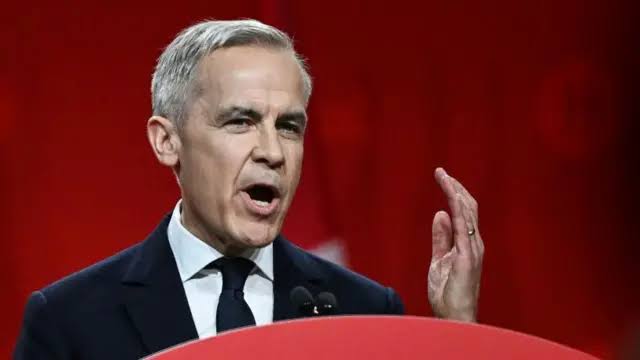
U.S. 50% tariff violates trade agreement, threatens Canada’s sovereignty: Carney
Canadian Prime Minister Mark Carney condemned the U.S. 50 per cent trade tariff, saying it violates the free trade agreement between Canada, America, and Mexico.

Hot news Home top
Husband pays ‘hired killer’ $1,720 advance to murder his wife, mother-in-law
The aggrieved husband wanted his wife killed because she planned to file for divorce.

Anti-Corruption
Agricultural firm Scoular to pay over $10 million to resolve foreign bribery case
Scoular employees communicated about shipments and bribes. In total, Scoular authorised bribes of more than $400,000 and avoided fees and costs of more than $6.5 million.


