

Vehicle duty reduction helpful not transformative: Stakeholders

Transport stakeholders say the federal government’s reduction in vehicle import duties has provided modest relief but is yet to transform the transport sector. The stakeholders expressed their views in separate interviews on Tuesday in Abuja.
They reacted to the government’s recent reduction in vehicle import duties and levies aimed at making vehicles more affordable. The stakeholders said exchange rate volatility, high freight costs and multiple levies continued to undermine the expected benefits of the policy.
Ojigwe Automobiles’ CEO, Nwachukwu Kenneth, said the policy offered some relief but had not yet brought significant changes to the vehicle market. He explained that clearing costs had dropped, especially for small-engine and Tokunbo vehicles, since early July.
“Newer imports are slightly cheaper. Since early July, inquiries and price checks have increased. Sales of popular Tokunbo and fuel-efficient vehicles have picked up modestly,” Mr Kenneth explained, noting that exchange rate volatility continues to erode the gains from the policy.
He listed high freight charges, port costs, the National Automotive Council levy, 7.5 per cent value-added tax and clearing fees as additional burdens. He also identified inflation, logistics costs and limited dollar supply as factors affecting final vehicle prices.
According to him, the policy’s impact is moderately positive for affordable vehicles and transport operators. Mr Kenneth said sustained benefits would depend on exchange rate stability, lower ancillary costs and improved economic conditions.
A car dealer, Haruna Sanusi, said the policy had yet to significantly impact the transport sector and attributed the limited impact to persistent exchange rate fluctuations. He said inflation, fuel prices and the extent to which importers transferred savings to consumers would determine the policy’s success.
A commuter, Adeniji Adeyinka, said the policy’s full impact might not be felt for a long time. He said implementation remained limited, making the benefits less visible. According to him, the full effect could take a decade
to materialise.
“Of course, it will have effects in the short term. But in the long run, we will see the effects on the cost of transportation. Transport sector operators are waiting to see how exchange rates, fuel prices, and full policy implementation will shape final vehicle and fare costs,” he said.
Mr Adeyinka added that fluctuating fuel prices made the policy’s short-term impact difficult to assess. He, however, said long-term benefits could still emerge.
A transporter, Agnes James, called for a comprehensive review of transportation costs. She said freight, shipping and port handling charges should also be reduced.
Ms James said lower transport costs would enable operators to reduce fares and upgrade to newer vehicles. She, however, said fuel and maintenance costs would also influence such outcomes.
She said the policy could encourage business expansion, create jobs and boost trade if complementary costs were reduced.
Arinze Ezeigwe, a transporter, said the policy made no noticeable difference. He said vehicle parts remained expensive, while fuel prices also remained high. According to him, the policy was designed to make vehicles more affordable and lower transportation costs.
The government recently announced reductions in vehicle import duties and levies. The policy is intended to make vehicles more affordable for individuals and businesses. It also aims to lower transportation costs and improve access to newer vehicles.
Stakeholders, however, say broader economic reforms are needed before the policy can deliver meaningful and lasting benefits.
(NAN)

We have recently deactivated our website's comment provider in favour of other channels of distribution and commentary. We encourage you to join the conversation on our stories via our Facebook, Twitter and other social media pages.

More from Peoples Gazette

States
Independence: NBA urges Nigerians to expect better future
The NBA said that ordinary Nigerians should be deriving benefit from the subsidy removal rather than hardship.

Agriculture
FG tasks ECOWAS on leveraging financing strategies for agroecology
The federal government has urged stakeholders in the agriculture and finance sectors in the West Africa region to leverage financing strategies to enhance agroecology practices

Politics
Katsina youths pledge to deliver over 2 million votes to Atiku
“Katsina State is Atiku’s political base because it is his second home.”
World
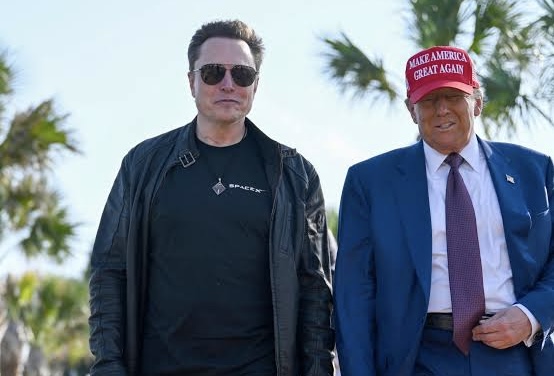
Trump awards Elon Musk National Medal of Science; calls him modern-day Thomas Edison
Lauding Mr Elon as a modern-day Thomas Edison, Mr Trump highlighted the impact of his innovations in different human endeavours.

Heading 1
NLC gives Tinubu govt two-week ultimatum to cut petrol price, renegotiate minimum wage
Mr Ajaero demanded that the federal government commence renegotiation of the minimum wage before the end of October.
Heading 4
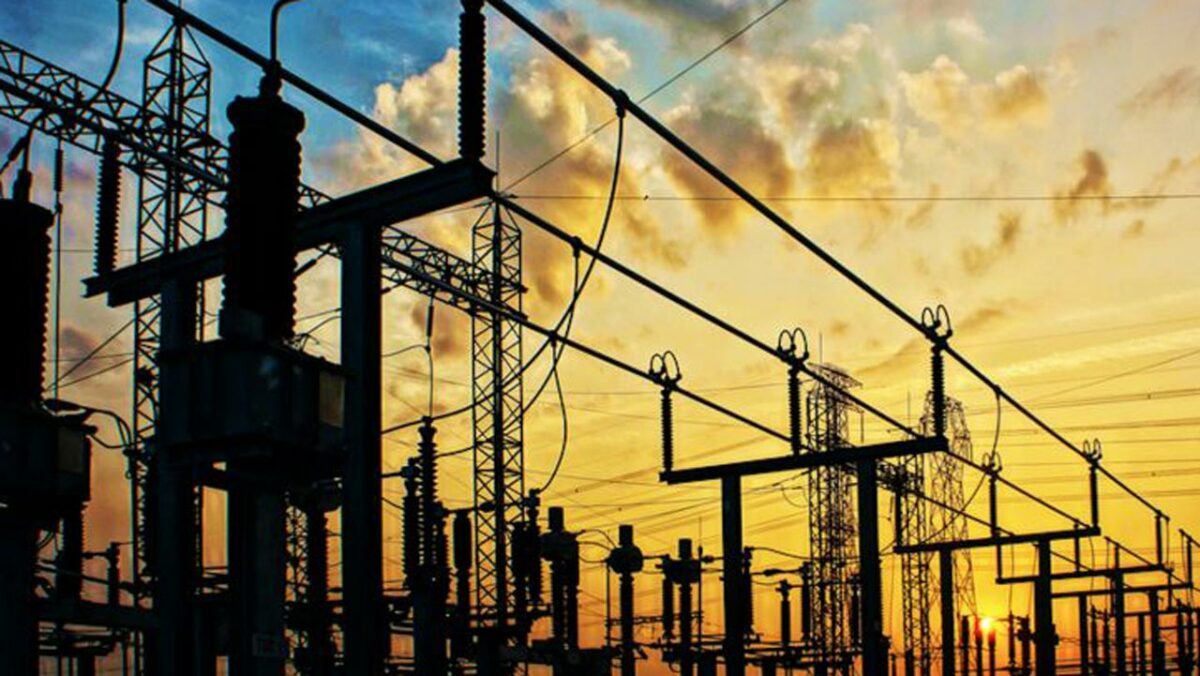
Power generation utilisation hit 81% in September: NERC
NERC said that average hourly generation stood at 4,089MW, representing an average load factor of 81 per cent of the available generation capacity.
States
Gov Oyebanji presents N490.74 billion 2027 budget proposal to Ekiti assembly
Mr Oyebanji presented the appropriation bill, christened the ‘Budget of Sustained Progress and Prosperity’, at the assembly chamber.

World
U.S. accuses Venezuela’s Maduro of torturing U.S. citizens in revised indictment
The Trump administration accused Mr Maduro and his wife of partnering with narcoterrorists to flood the U.S. with cocaine.

States
Two suspects arrested over machete attacks in Uyo
The police said weapons and stolen items were recovered from the suspects.


