

Nigeria’s debt rises to N33 trillion under Buhari: DMO-NBS
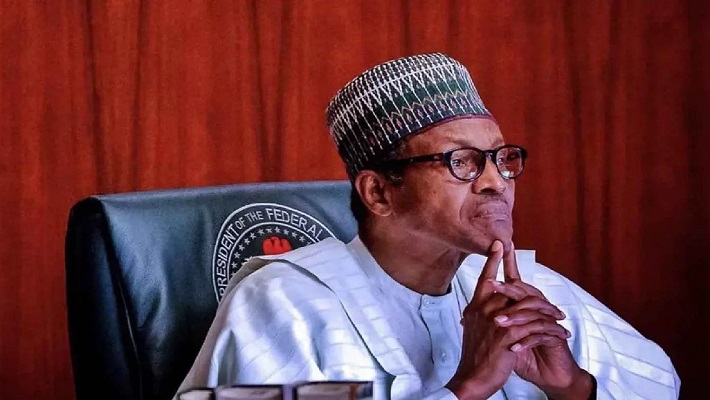
Nigeria’s total public debt under President Muhammadu Buhari-led administration, in December 2020, rose to N32.915 from N32.222 trillion in September the same year.
As of September, the public debt stock increased to N32.2 trillion, according to the Nigerian domestic and foreign debt report, released by the National Bureau of Statistics (NBS) and seen on Naira Metrics.
The 2.1 percent or N693 billion increase between September and December was announced in a press statement released by the Debt Management Office (DMO) on Tuesday.
According to the DMO, the figures include the debt stock of the federal and state governments, as well as the Federal Capital Territory. The statement cited the COVID-19 pandemic as the basis for the increase.
The agency recalled that the level of new borrowing at the Federal Level as shown in the Annual Appropriation Acts, declined as part of the Government’s efforts to moderate the rate of growth in the public debt stock in order to ensure debt sustainability.
It said the “New Borrowing to part-finance Budget Deficits had declined steadily from N2.36 Trillion in 2017 to N2.01 Trillion in 2018, N1.61 Trillion in 2019 and N1.59 Trillion in the first 2020 Appropriation Act.”
According to the DMO, “the trend was reversed in 2020 due to the economic and social impact of the COVID-19 Pandemic as New Borrowing in the revised 2020 Appropriation Act was N4.20 Trillion.
Many countries including the advanced countries also increased their level of borrowing as a result of COVID-19.”
The agency, however, maintained that “This incremental borrowing to part-finance the 2020 Budget and the additional issuance of Promissory Notes to settle some arrears of the Federal Government of Nigeria contributed to the increase in Public Debt Stock. New Domestic Borrowings by State Governments also contributed to the growth in the Public Debt Stock.”
“Total Public Debt to Gross Domestic Product as at December 31, 2020 was 21.61% which is within Nigeria’s new Limit of 40%. The various initiatives of the Government to increase revenues such as the Strategic Revenue Growth Initiative and the Finance Act, 2020, should help shore up Government’s revenue and reduce the Debt Service to Revenue Ratio,” it added.

We have recently deactivated our website's comment provider in favour of other channels of distribution and commentary. We encourage you to join the conversation on our stories via our Facebook, Twitter and other social media pages.

More from Peoples Gazette

Agriculture
FG tasks ECOWAS on leveraging financing strategies for agroecology
The federal government has urged stakeholders in the agriculture and finance sectors in the West Africa region to leverage financing strategies to enhance agroecology practices

Politics
Katsina youths pledge to deliver over 2 million votes to Atiku
“Katsina State is Atiku’s political base because it is his second home.”
States
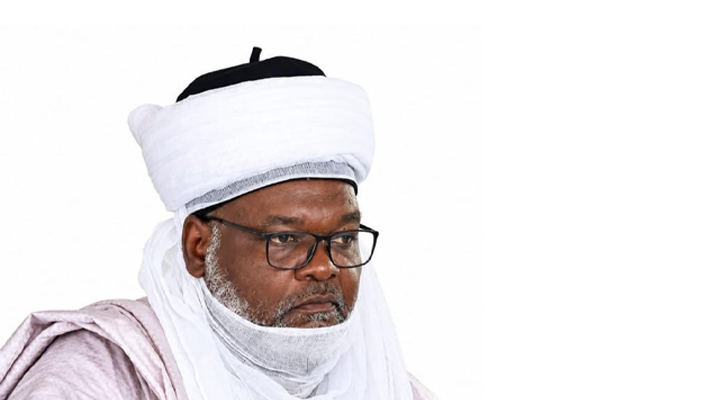
Gov. Idris mourns Gwandu monarch Rasheed
The governor described the late monarch as a humble, peaceful and God-fearing traditional leader.

Heading 1
UN to support Nigeria, others to turn mineral wealth into prosperity
Nigeria, Guinea, Indonesia, Madagascar, Zambia and Zimbabwe will be the first countries to receive support.

Africa
UAE welcomes U.S. call for immediate humanitarian truce in Sudan
Mr Nahyan commended the leadership of Mr Trump in preventing Sudan from descending into further extremism.

Heading 4
2027: Adequate funding key to credible elections, says INEC
Mr Amupitan said sustained funding was necessary to provide security and logistics.

Heading 3
FG to review abandoned housing projects nationwide: Minister
Mr Darma expressed concern over the continued abandonment of government housing projects.
States
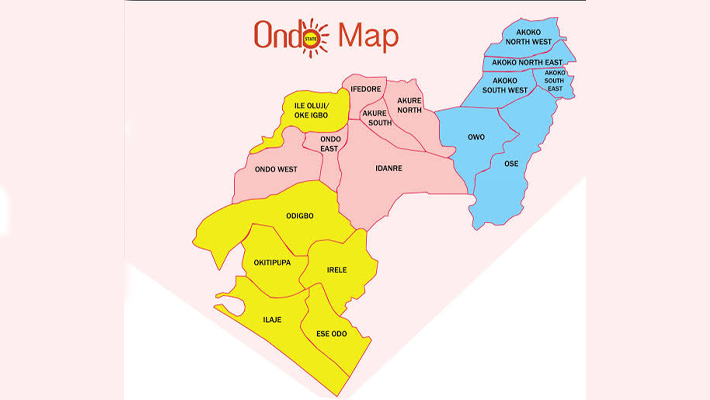
Ondo SEMA, Red Cross partner to strengthen disaster management
Mr Adelami commended the humanitarian organisation for its consistent interventions during emergencies.


