

Digitalisation of small businesses can increase Nigeria’s GDP by $50 billion: NITDA
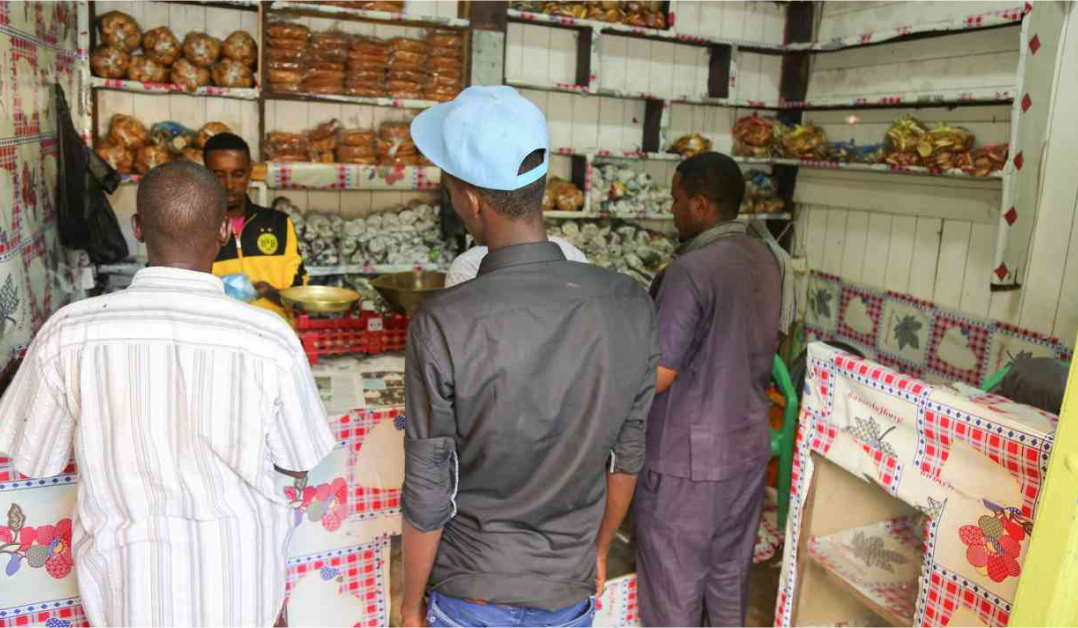
The National Information Technology Development Agency (NITDA) says that digitalisation of Micro, Small and Medium Enterprises (MSMEs) could increase Nigeria’s Gross Domestic Product (GDP) by 50 billion dollars.
The Director-General, NITDA, Kashifu Inuwa Abdullahi, said this during his visit to the GIZ/Digital Transformation Centre, Nigeria office, as a special guest at its Techmybiz pitch-a-thon event in Victoria Island, Lagos.
Mr Abdullahi said that digital transformation of MSMEs would help to grow the nation’s economy.
He said that according to recent research, any MSME that transformed digitally could increase its revenue by 26 per cent and reduce cost by 22 per cent.
“Statistical research in 2018 showed that digitally transformed enterprises contributed $13.5 trillion to the global GDP, and it is projected that in 2023, it will reach $53.3 trillion, which is more than 50 percent of the global GDP.
“Therefore, if we in Nigeria can digitally transform our MSMEs, it could add 26 per cent to GDP or to the revenue of the MSMEs.
“Today, MSMEs contribute 43 per cent to Nigeria’s GDP which is about $205 billion. Twenty-six per cent of this means digitisation of our MSMEs can increase our GDP by $53 billion,” the NITDA boss said.
Mr Abdullahi said the federal government was committed to digitally transforming the economy through a seven-point strategic roadmap and action plan.
He stressed that federal government regulations were not to stifle businesses, but rather to influence businesses to unlock opportunities using technologies.
According to the NITDA boss, it has many regulations to protect the market, enable innovation and improve service delivery.
He highlighted the strategic action plan that supported MSMEs as a developmental regulation meant to create an enabling environment for startups or MSMEs.
Mr Abdullahi said the second pillar of the plan was about digital literacy and skills, adding that digital transformation was about growing a knowledge-based economy in which human capital was the most valuable resource.
He said: “NITDA wants to achieve 90 per cent digital literacy by 2030. We want every Nigerian to be able to use digital devices to access digital services.
“Every country needs to field in-country skills and build its digital offering, so NITDA started the initiative of training one million developers in 2022.
“So far, we have trained 219,000 Nigerians on different aspects of technology. On digital literacy, NITDA has trained more than three million Nigerians through various channels.”
(NAN)

We have recently deactivated our website's comment provider in favour of other channels of distribution and commentary. We encourage you to join the conversation on our stories via our Facebook, Twitter and other social media pages.

More from Peoples Gazette

Agriculture
FG tasks ECOWAS on leveraging financing strategies for agroecology
The federal government has urged stakeholders in the agriculture and finance sectors in the West Africa region to leverage financing strategies to enhance agroecology practices

Politics
Katsina youths pledge to deliver over 2 million votes to Atiku
“Katsina State is Atiku’s political base because it is his second home.”

Economy
Fuel price uncertainty forced marketers to halt supply temporarily: IPMAN
The Independent Petroleum Marketers Association of Nigeria (IPMAN) says uncertainty over petrol prices has forced many marketers to halt fresh purchases, leading to the temporary closure of some filling

Economy
Tinubu committed to investment in renewable energy, says presidential aides
He said Mr Tinubu is committed to investments in renewable energy development, human capital empowerment, clean energy innovation, and Nigeria’s Energy Transition Plan.

Agriculture
Flooding may raise vegetable prices, Lagos farmers warn
“If we sold vegetables at lower prices before, they will now become more expensive because farmers must recover their losses,” she said.
States
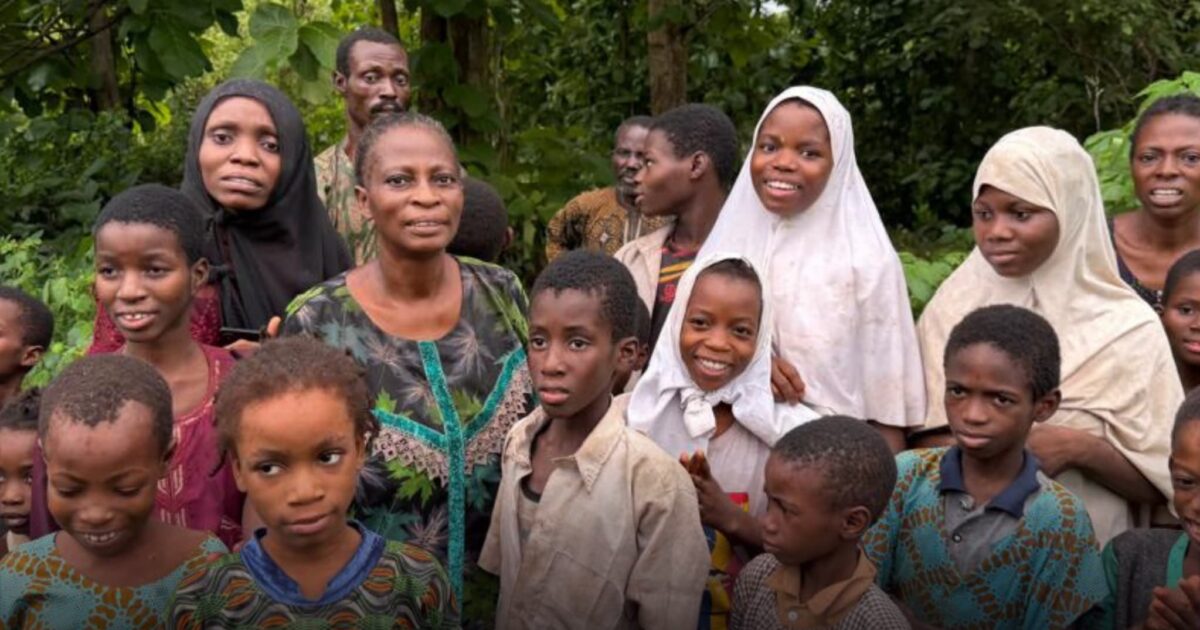
Oyo Abduction: Freed teacher says terrorists released victims before security operatives arrived
Abducted on May 15, the Oyo schoolchildren and their teachers were freed on June 10, after 56 days in captivity.

States
Residents lament deplorable road in Ondo community, seek government intervention
Residents of the agrarian community described the road as a death trap.
NationWide
Stakeholders in Osun, Ondo, Ekiti call for broader participation in constitutional reforms
They also appealed to Nigerians to pay equal attention to all constitutional amendment bills, rather than focusing on the state police proposal.


