

Public analyst tells FG to treat economic saboteurs as criminals

A public affairs analyst, Jerry Amao, says any erring Nigerian found guilty of negligence or economic sabotage, which could bring the country into disrepute, should be treated as criminal.
Mr Amao said this in an interview with reporters on Saturday in Lagos.
He also recommended that, henceforth, any government official found wanting in decision-making should be held responsible for any financial breach against the Nigerian government.
The consultant was reacting to the Oct. 23 victory by Nigeria at a London High Court, which set aside the arbitration award of January 2017 by P&ID, a British Virgin Islands company, against Nigeria.
He added that punitive action on any untoward act against the country should be countered with force.
According to him, those in positions of responsibility and decision-making must, henceforth, be held liable for any misdemeanour and answerable for their actions.
“The tribunal identified several instances where key recommendations concerning the arbitration were not acted upon by the officers responsible, including Ministers of Justice and of Petroleum Resource.
“The court has come to Nigeria’s rescue this time, but it is clear from the judgement that if the heads of the relevant ministries had performed their duties effectively, this case might not have arisen at all,” Mr Amao said.
The consultant opined that the court was “very critical” of the Gas Supply and Purchase Agreement (GSPA) to supply gas to a P&ID project that was to be located in Calabar, Cross River State.
“One of the major lessons from the case is that the nation must ensure that contracts entered into by government are prepared by competent and experienced legal and other experts.
“The Court was very critical of the GSPA and the obligations that Nigeria assumed under the contract,” the expert noted.
Recall that the country was triumphant in a London Court which set aside the arbitration award obtained in January 2017 by the British firm against Nigeria.
Originally, the award was about $6.6 billion but rose to about $11 billion as of the date of the final judgement because of interest.
The P&ID had instituted the suit against Nigeria before the arbitral tribunal, alleging a breach of agreement for the supply of gas to a project to be located in Nigeria’s Cross River State.
However, Nigeria was able to successfully obtain leave of the London High Court in London in September 2020 to appeal against the tribunal award, the hearing which lasted eight weeks between January and March.
(NAN)

We have recently deactivated our website's comment provider in favour of other channels of distribution and commentary. We encourage you to join the conversation on our stories via our Facebook, Twitter and other social media pages.

More from Peoples Gazette

Agriculture
FG tasks ECOWAS on leveraging financing strategies for agroecology
The federal government has urged stakeholders in the agriculture and finance sectors in the West Africa region to leverage financing strategies to enhance agroecology practices

Politics
Katsina youths pledge to deliver over 2 million votes to Atiku
“Katsina State is Atiku’s political base because it is his second home.”
Hot news Home top
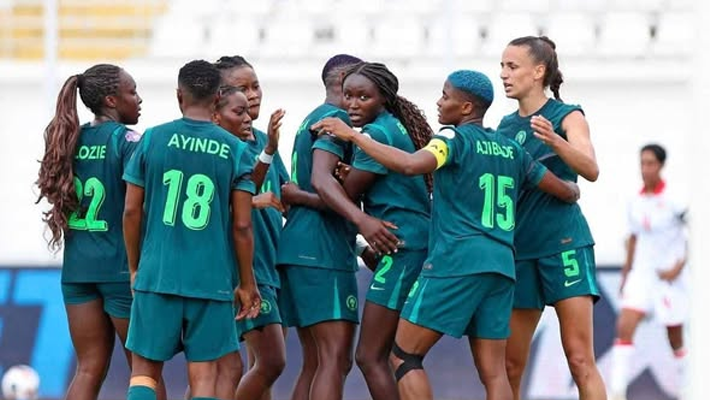
Super Falcons beat Tanzania 2-1 in final WAFCON warm-up
Super Falcons will be aiming for a record 11th WAFCON title.
Heading 5
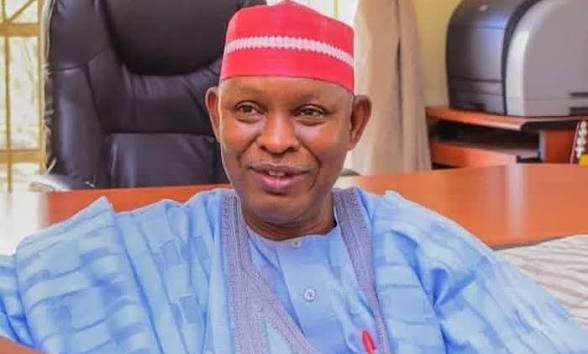
Gov. Yusuf disburses N56 million to 1,116 hawkers, vulcanisers in Kano
Mr Yusuf said each of the beneficiaries received a grant of N50,000.
States
Wike faction takes over PDP state secretariat in Oyo
The chairman said that security agencies had been duly notified of the development.

Heading 5
Group calls for transparency, urges Aiyedatiwa to improve governance in Ondo
The group described security as the biggest source of anxiety.

Heading 2
Adamawa, UNICEF inaugurate first 1,000 days nutrition project
She described the first 1,000 days of life as the foundation for healthy growth and lifelong development.

Heading 4
Organised sector urges FG, PenCom to suspend proposed pension hike
Mr Oyerinde said that any adjustment must follow extensive consultations with relevant stakeholders.


