

43 items CBN lifted forex ban on were not totally banned: Cardoso
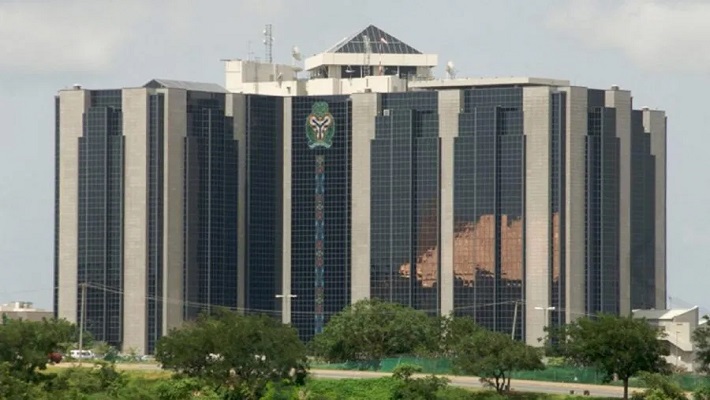
The Governor of the Central Bank of Nigeria, Mr Olayemi Cardoso, has clarified that the 43 items were never explicitly prohibited from importation or sale in Nigeria.
Mr Cardoso gave this clarification at the 58th Annual Bankers’ Dinner organised by the Chartered Institute of Bankers of Nigeria on Friday in Lagos.
He, however, explained that the apex bank had implemented restrictions on accessing foreign exchange for the importation of these items.
Mr Cardoso emphasised that the issue of trade policy, specifically the importation and sale of the 43 items, was primarily within the domain of the fiscal authorities, not the CBN.
The distinction, he said, was important because it clarified that the CBN’s decision to lift the foreign exchange restrictions on these items was not intended to encroach upon the responsibilities of other government agencies.
The CBN had in a circular in June 2015, published a list of imported goods and services that will not be eligible for foreign exchange in the Nigerian foreign currency market.
The list which was originally 41 was updated to include two more items.
But the CBN on October 12, 2023, announced that it had lifted the ban on the issuance of foreign exchange for the importation of rice, vegetable oil, and poultry products among other 43 items.
Mr Cardoso said, “Allow me to provide further clarification on the issue of the 43 items. Firstly, it is important to note that these items were never outrightly banned by the government. The CBN had imposed restrictions on their access to foreign exchange in the official market.
“However, these restrictions resulted in increased demand for foreign exchange in the parallel market, leading to the depreciation of the exchange rate in that segment of the Nigerian foreign exchange market and widening the premium between the parallel and official market.’’
Mr Cardoso said studies had shown that during the period when the 43 items were restricted, there was a 51.0 per cent increase in trade evasion by importers accessing the foreign exchange market.
According to him, this resulted in a revenue drop of approximately $1.4 billion, or $275 million annually, between 2015 and 2019.
He added that revenue from tariffs on goods decreased from a high of approximately $920 million in 2011 to about $250 million in 2017.
He stated, “In 2019, the actual tariff on goods stood at $320 million, but counterfactual evidence suggests that as much as $680 million could have been earned in the same year.”
He added that evidence had shown that foreign exchange restrictions had an adverse impact on Nigerian households and contributed to inflationary pressures.
Mr Cardoso said the reduction in trade restrictions and levies on rice, sugar, and wheat by 50.0 per cent had only a minimal impact on welfare, with a 0.8 per cent improvement, and a mere 0.4 per cent reduction in extreme poverty.
He further explained that the benefits of trade gains for the general population were negligible, as the average industry in Nigeria pays 13.7 per cent more for its inputs.
According to the CBN, this action will boost liquidity in the Nigerian foreign exchange market and intervene from time to time, adding that interventions will decrease as liquidity improves.
Meanwhile, a former CBN Director, Prof. Akpan Ekpo, noted that the apex bank made a big error by opening up the foreign exchange market.
He said, “It is an error because the dollar, pound and euro is not our money, we only get dollars when we sell oil mainly. Our economy is not productive and we don’t have firms that manufacture non-oil goods services, export them and earn forex. So, our naira is not convertible, in that case every country like ours will have what they called managed float.
“So when you come and put in more dollars because you have got more forex, these are very short term measures, they are not sustainable, so the problem is a supply and access problem.’’
(NAN)

We have recently deactivated our website's comment provider in favour of other channels of distribution and commentary. We encourage you to join the conversation on our stories via our Facebook, Twitter and other social media pages.

More from Peoples Gazette

Agriculture
FG tasks ECOWAS on leveraging financing strategies for agroecology
The federal government has urged stakeholders in the agriculture and finance sectors in the West Africa region to leverage financing strategies to enhance agroecology practices

Politics
Katsina youths pledge to deliver over 2 million votes to Atiku
“Katsina State is Atiku’s political base because it is his second home.”
Agriculture
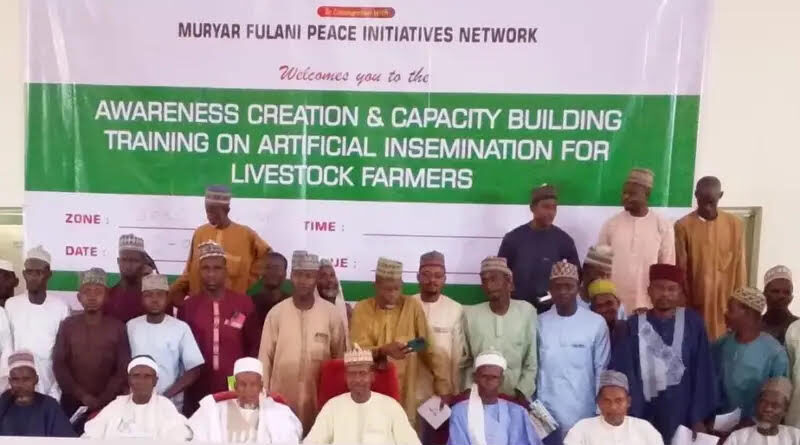
Sokoto trains livestock farmers on artificial insemination
Mr Abubakar said the initiative would strengthen breeders’ capacity.
Heading 5
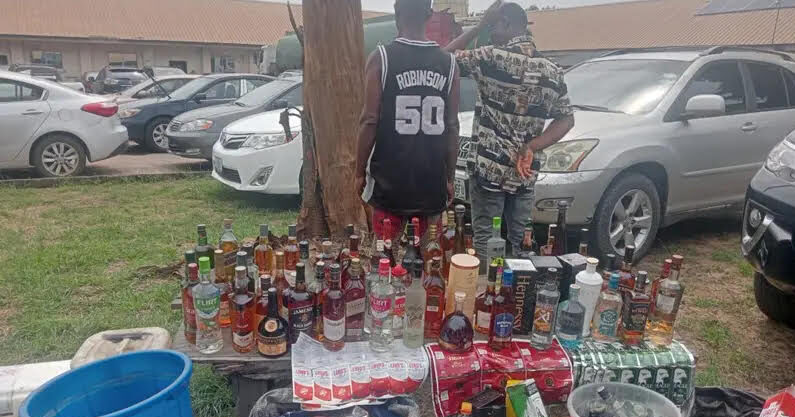
NAFDAC nabs two fake alcohol merchants in Lagos
He urged operators dealing in regulated products to comply with all NAFDAC regulatory requirements.
Lagos
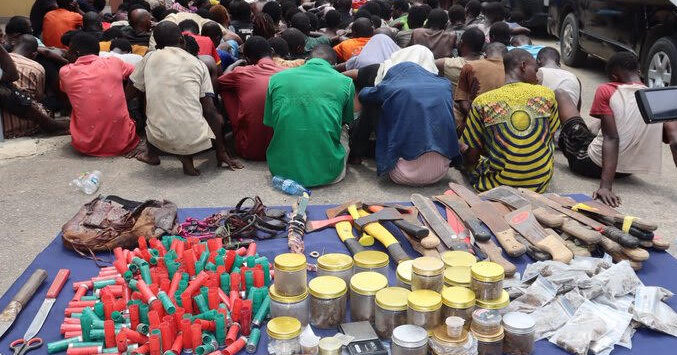
Police nab 147 suspected criminals in Lagos
The operatives targeted criminal hideouts across the state on Sunday, July 19, 2026.

Heading 1
Tinubu names Fayose, 25 others in new appointments
All the appointments take immediate effect.

Heading 4
Names, countries of drug dealers, fraudsters Trump admin wants to revoke their U.S. citizenship
The Trump administration said the criminal aliens—including child sex abusers, a $900,000 Medicare fraudster, and a cocaine trafficker—lied their way into U.S. citizenship.
Anti-Corruption
Gbajabiamila back to office after ICPC grilled him over N400 million PFIPC bribery: Lawyer
Mr Adeyemi was arrested shortly after the Abuja Division of the Federal High Court last Tuesday issued a warrant for his arrest.


