

Nigeria confirms 13 fresh cases of dengue fever
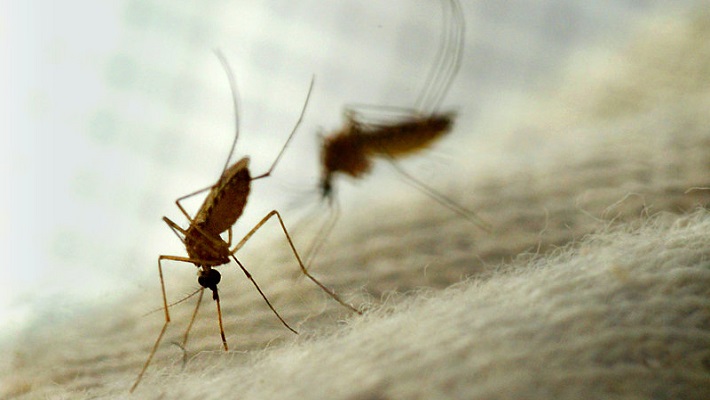
The Nigeria Centre for Disease Control and Prevention (NCDC) has reported 13 cases of dengue fever in Sokoto State, sparking concerns about the low level of awareness among Nigerians regarding this mosquito-borne illness.
Despite efforts to combat the disease, there remains a pressing need for increased public education and preventive measures.
The NCDC, via its official website, said on Monday that there were 64 suspected cases recorded in Sokoto State from three Local Government Areas (LGAs): Sokoto South (60 cases), Wamako (three) and Dange Shuni (one).
The dengue virus (DENV) is a leading mosquito-borne virus with a wide geographical spread and a major public health concern.
DENV serotype 1 (DENV-1) and serotype 2 (DENV-2) were first reported in Africa in 1964 in Ibadan, Nigeria.
Dengue originated in monkeys and spilt over to humans as long as 800 years ago.
It was restricted to Africa and Southeast Asia until the mid-20th century. The dengue viruses in viremic individuals and their Aedes aegypti mosquito vectors spread throughout tropical Southeast Asia via maritime shipments.
Nigeria, the most populous country in Africa, has an abundance of the Aedes aegypti mosquito, which is known to transmit dengue, Zika, as well as chikungunya (CHIKV) and West Nile viruses.
The Nigerian Public Health Institute said the outbreak was detected in November 2023, with zero fatalities recorded in Sokoto State.
The agency disclosed that the majority of the suspected cases affected persons in the age range of 21 to 40 years.
According to it, dengue fever is a viral infection caused by the dengue virus and transmitted to humans through the infected mosquito’s bite. Human-to-human transmission of the virus has not been established.
“The virus is found in tropical and sub-tropical climates, mostly in urban and semi-urban areas worldwide.
“Most people with dengue have mild or no symptoms and will get better in one to two weeks.
“If symptoms occur, they usually begin four to 10 days after the infection and last for two to seven days.
“The symptoms of the fever may include high fever (40°C/104°F), severe headache, pain behind the eyes, muscle and joint pains, nausea, vomiting, swollen glands, and rash.
“Individuals who are infected for the second time are at greater risk of severe dengue.”
The NCDC said that the NCDC-led multisectoral National Emerging Viral Haemorrhagic Diseases Technical Working Group (NEVHD TWG), collaborating with partners and relevant stakeholders, has conducted a rapid risk assessment to guide in-country preparedness activities.
“The NEVHD TWG coordinates preparedness efforts for Ebola virus disease and other emerging viral hemorrhagic fever diseases,” it said.
The agency said the current risk level of the dengue outbreak was moderate based on a dynamic risk assessment.
“There is currently adequate in-country capacity (including technical, health workforce, and diagnostic) to respond effectively in the event of a large-scale outbreak.
“Nigeria has also responded to viral hemorrhagic fever epidemics like the Ebola outbreak in 2014 and, subsequently, Lassa fever.
“This has built our preparedness and response capabilities for viral hemorrhagic fevers like the dengue virus over the years,” the NCDC said.
“Currently, there is a diagnostic capacity for the dengue virus at the NCDC National Reference Laboratory in Abuja and the Usman Dan Fodio University Sokoto Teaching Hospital Laboratory Centre for Human and Zoonotic Virology.
“However, the NCDC will proceed to optimise existing Lassa fever testing laboratories and others within the NCDC national laboratory network for DENV diagnosis to improve preparedness and readiness in the event of a large-scale outbreak,” it said.
It added that an effective response system was in place with the availability of control capacities to limit the risk of spreading to other states.
Meanwhile, Gabriel Adakole, a public health expert, said that prevention was crucial in reducing the risk of dengue fever.
Mr Adakole said that Nigerians could protect themselves from dengue fever by using mosquito repellent, wearing long clothing, avoiding peak mosquito times, eliminating breeding sites, using mosquito nets, and staying informed through local health advisories.
“Nigerians should be aware of dengue fever symptoms such as high fever, severe headaches, pain behind the eyes, joint and muscle pain, rash, and mild bleeding. They should, therefore, seek medical attention promptly and avoid self-medication.
“Additionally, staying informed about local outbreaks and following health guidelines can contribute to effective prevention and control,” he advised.
(NAN)

We have recently deactivated our website's comment provider in favour of other channels of distribution and commentary. We encourage you to join the conversation on our stories via our Facebook, Twitter and other social media pages.

More from Peoples Gazette

States
Independence: NBA urges Nigerians to expect better future
The NBA said that ordinary Nigerians should be deriving benefit from the subsidy removal rather than hardship.

Agriculture
FG tasks ECOWAS on leveraging financing strategies for agroecology
The federal government has urged stakeholders in the agriculture and finance sectors in the West Africa region to leverage financing strategies to enhance agroecology practices

Politics
Katsina youths pledge to deliver over 2 million votes to Atiku
“Katsina State is Atiku’s political base because it is his second home.”

Heading 5
2027: INEC assures PWDs of inclusive participation in Zamfara
The REC stressed that the right to vote belongs to every eligible citizen.

Heading 1
Ilhan Omar calls Trump ‘pedophile protection party’s president’
The Somali-born American politician insisted that her name had always been Ilhan Omar.

Heading 3
Shettima inaugurates teaching hospital, schools in Borno
Mr Shettima commended Governor Babagana Zulum for establishing the hospital.

Hot news Home top
14 bandits killed as hunters repel attack in Katsina village
The commissioner stated that intelligence report revealed the movement of 26 armed bandits on 13 motorcycles.
States
Police nab man for allegedly killing retired teacher in Ogun
The victim was reportedly killed at her residence in Agbaakin Emere, Abeokuta, on February 27, 2026.

Health
Zamfara NMA intensifies surveillance against Ebola
He said the NMA has developed an incident action plan to create public awareness about Ebola.


