


EU plans stricter asylum procedures in sweeping migration reform

EU member states and the EU Parliament have agreed to stricter asylum procedures as part of a major reform of the European asylum system.
The painstakingly negotiated compromise announced on Wednesday provides numerous additions and tightening of the existing rules to reduce irregular migration to the European Union.
“It’s been a long road to get here. But we made it. Europe is finally delivering on migration,” said European Commission Vice President Margaritis Schinas on X, describing the deal as a “breakthrough.”
European Parliament President Roberta Metsola said, “Wednesday will go down in history as the day the EU reached a landmark agreement on a new set of rules to manage migration and asylum.”
The reform has been the subject of intensive work since 2015 when record numbers of migrants arrived in the EU.
While countries with right-wing governments, like Hungary, were strongly in favour of tightening existing rules, aid organisations and Europe’s political left expressed concerns about the degradation of human rights.
“The reform will ensure that there is an effective European response to this European challenge,” said European Commission President Ursula von der Leyen. It means that Europeans will decide who comes to the EU and who can stay, not the smugglers,” she added.
The reform, for example, foresees a much stricter handling of people from countries considered relatively safe.
Until a legal decision is made on their asylum applications, asylum seekers are to be housed in reception centres under strict rules.
While the European People’s Party, which includes the conservative political groups in the European Parliament, hailed the agreement as a “historic deal,” left-leaning EU lawmakers were quick to criticise it.
“The negotiators agreed to undermine the right to seek asylum,” said German EU lawmaker Damian Boeselager, who is a member of the European Greens.
“This new system will make sure we have prison camps at our borders and should have never been accepted,” Mr Boeselager said.
Under the new system, the distribution of people seeking protection among the bloc’s 27 member states is reorganised under a new set of rules dubbed a solidarity mechanism.
If a country does not want to take in refugees, they are required to provide support in a different form, for example, through financial compensation.
The agreement still has to be confirmed by the plenary of the European Parliament and EU member states, which is usually considered a formality.
(Reuters/NAN)

We have recently deactivated our website's comment provider in favour of other channels of distribution and commentary. We encourage you to join the conversation on our stories via our Facebook, Twitter and other social media pages.

More from Peoples Gazette

Agriculture
FG tasks ECOWAS on leveraging financing strategies for agroecology
The federal government has urged stakeholders in the agriculture and finance sectors in the West Africa region to leverage financing strategies to enhance agroecology practices

Politics
Katsina youths pledge to deliver over 2 million votes to Atiku
“Katsina State is Atiku’s political base because it is his second home.”

Africa
Xenophobia: FG to airlift about 300 Nigerians from South Africa on Wednesday
The Nigerian High Commission in Pretoria and the consulate general in Johannesburg have announced plans to repatriate about 300 Nigerians from South Africa on Wednesday.

Economy
UK-Nigeria tech hub, Nest launch initiative to unify Nigeria’s innovation ecosystem
UK-Nigeria Tech Hub and the Nest Innovation Technology Park have partnered to launch the Nigeria Innovation Cluster Exchange.
Faith
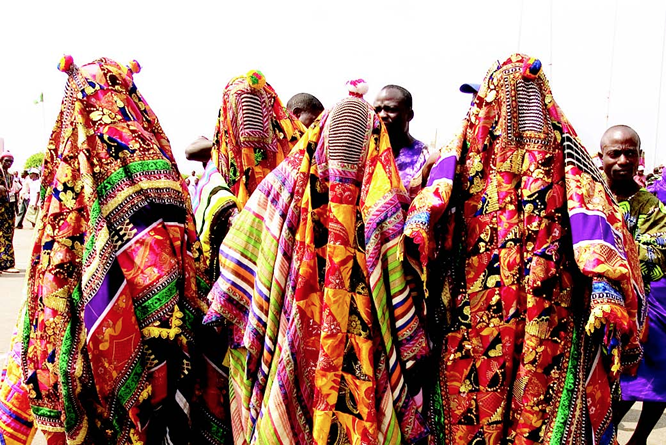
Ibadan masquerader kills resident, police launch investigation
Police are investigating the killing of Sefiu Kehinde, a 24-year-old man allegedly attacked by a masquerader in the Labiran area of Ibadan.

Anti-Corruption
Court adjourns judgment in forfeiture suit against ex-AGF Malami
Although the court gave no reason for the adjournment, three other cases on the cause list were also given new dates out of the 13 matters before the court.

Diaspora
FULL LIST: Names, crimes of 4,000 Nigerians jailed in U.S. prison from 2016 to 2025
In a decade, 3,968 Nigerians have been convicted and jailed for different crimes in the United States’ federal prisons, a document exclusively obtained by Peoples Gazette shows.

Politics
State police will derail democracy, lead to tribal wars, ex-Governor Omehia warns Tinubu, Senate
Former Governor Celestine Omehia has cautioned Senate President Godswill Akpabio and the National Assembly against rushing the passage of the State Police Bill into law.


