


EU plans stricter asylum procedures in sweeping migration reform

EU member states and the EU Parliament have agreed to stricter asylum procedures as part of a major reform of the European asylum system.
The painstakingly negotiated compromise announced on Wednesday provides numerous additions and tightening of the existing rules to reduce irregular migration to the European Union.
“It’s been a long road to get here. But we made it. Europe is finally delivering on migration,” said European Commission Vice President Margaritis Schinas on X, describing the deal as a “breakthrough.”
European Parliament President Roberta Metsola said, “Wednesday will go down in history as the day the EU reached a landmark agreement on a new set of rules to manage migration and asylum.”
The reform has been the subject of intensive work since 2015 when record numbers of migrants arrived in the EU.
While countries with right-wing governments, like Hungary, were strongly in favour of tightening existing rules, aid organisations and Europe’s political left expressed concerns about the degradation of human rights.
“The reform will ensure that there is an effective European response to this European challenge,” said European Commission President Ursula von der Leyen. It means that Europeans will decide who comes to the EU and who can stay, not the smugglers,” she added.
The reform, for example, foresees a much stricter handling of people from countries considered relatively safe.
Until a legal decision is made on their asylum applications, asylum seekers are to be housed in reception centres under strict rules.
While the European People’s Party, which includes the conservative political groups in the European Parliament, hailed the agreement as a “historic deal,” left-leaning EU lawmakers were quick to criticise it.
“The negotiators agreed to undermine the right to seek asylum,” said German EU lawmaker Damian Boeselager, who is a member of the European Greens.
“This new system will make sure we have prison camps at our borders and should have never been accepted,” Mr Boeselager said.
Under the new system, the distribution of people seeking protection among the bloc’s 27 member states is reorganised under a new set of rules dubbed a solidarity mechanism.
If a country does not want to take in refugees, they are required to provide support in a different form, for example, through financial compensation.
The agreement still has to be confirmed by the plenary of the European Parliament and EU member states, which is usually considered a formality.
(Reuters/NAN)

We have recently deactivated our website's comment provider in favour of other channels of distribution and commentary. We encourage you to join the conversation on our stories via our Facebook, Twitter and other social media pages.

More from Peoples Gazette

Agriculture
FG tasks ECOWAS on leveraging financing strategies for agroecology
The federal government has urged stakeholders in the agriculture and finance sectors in the West Africa region to leverage financing strategies to enhance agroecology practices

Politics
Katsina youths pledge to deliver over 2 million votes to Atiku
“Katsina State is Atiku’s political base because it is his second home.”

Diaspora
Diaspora group condemns alleged killing of two Nigerians in South Africa, demands justice
NUSA said it has commenced engagement with the police to ensure that a thorough investigation is conducted and that justice prevails.

States
Taraba chief judge lauds Tinubu’s move to establish state police
The chief judge said the issue of state police was crucial given the spate of criminality in the country.

States
Ekiti govt orders free treatment for rescued worshippers
Oyebanji directed the Ministry of Health and Human Services to oversee the welfare and well-being of the rescued worshippers.

States
Rescue operation ongoing for abducted Oyo pupils, teachers: Army chief
The victims were abducted on May 15 from three schools in the Orire Local Government Area of Oyo.
States
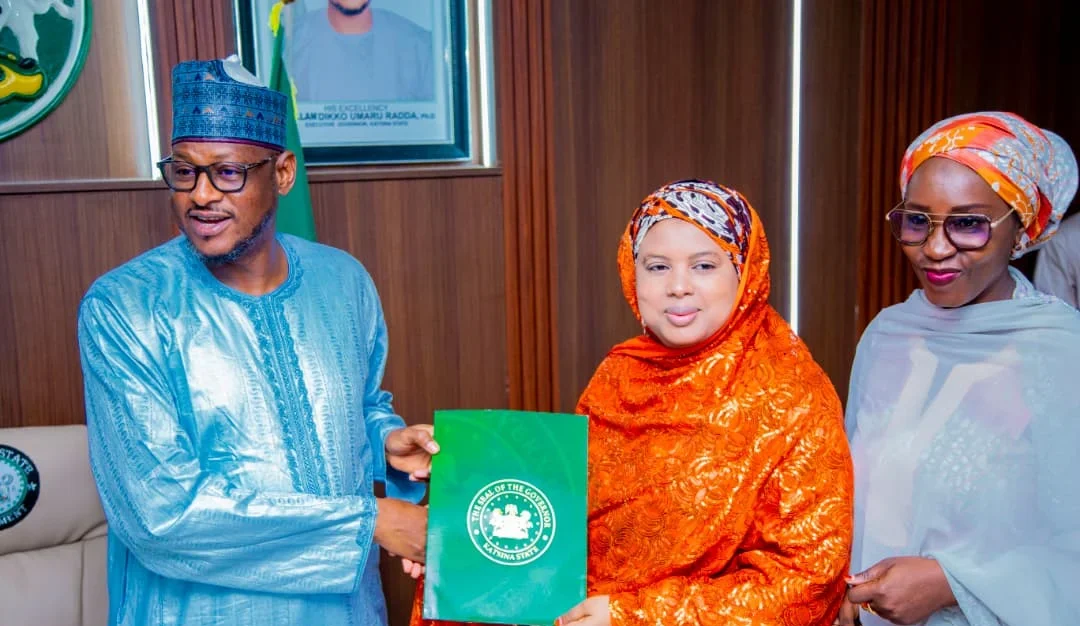
Gov. Radda vows zero tolerance for gender, child abuse
The governor pledged sustained collaboration with relevant stakeholders to strengthen prevention, response, and support mechanisms for GBV victims.
Diaspora
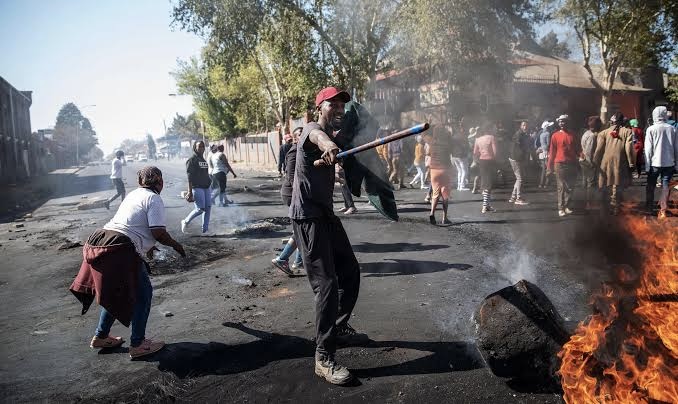
Consulate demands justice as another Nigerian killed in South Africa
The consulate called on the South African government to launch an investigation into all alleged murder cases and prosecute perpetrators.


