

Cancer rates to increase to 77% by 2050, says UN

Global cancer cases are expected to rise around 77 per cent by the middle of the century, UN health authorities said on Thursday.
According to the latest figures from the International Agency for Research on Cancer (IARC), a specialised branch of the UN World Health Organisation (WHO), there are predicted to be more than 35 million cancer cases during 2050, up from the estimated 20 million in 2022.
The increase reflects population ageing and growth, as well as changes to people’s exposure to risk factors, including tobacco, alcohol, and obesity, which are key factors, along with the air population.
Richer countries are expected to have the greatest absolute increase in cancer, with an additional 4.8 million new cases predicted in 2050.
However, low and middle-income countries should see a higher proportional increase in cancer, while mortality is projected to almost double.
The IARC’s Global Cancer Observatory estimates are based on the best data sources available from 185 countries and cover 36 different forms of cancer.
They were published alongside a WHO survey from 115 countries, which showed that the majority do not adequately finance priority cancer and palliative care services as part of universal health coverage.
Ten types of cancer collectively comprised around two-thirds of new cases and deaths globally in 2022, the IARC said.
Lung cancer was the most commonly occurring form worldwide, with 2.5 million new cases. It accounted for more than 12 per cent of all new cases and 18.9 per cent of deaths, 1.8 million, making it the leading cause of cancer death.
Female breast cancer ranked second in terms of occurrence, with 2.3 million cases worldwide or 11.6 per cent, but accounted for 6.9 per cent of deaths.
Other commonly occurring cancers were colorectal, prostate and stomach cancer.
Colorectal cancer was the second leading cause of cancer death, followed by liver, breast and stomach cancer.
Cervical cancer was the eighth most commonly occurring cancer globally, the ninth leading cause of cancer death, and the most common cancer in women in 25 countries, many of which are in sub-Saharan Africa.
The IARC estimates – issued ahead of World Cancer Day on February 4 – also revealed striking inequalities, particularly in breast cancer.
One in 12 women in richer countries will be diagnosed with the disease in their lifetime, and one in 71 will die of it, the agency said.
However, although only one in 27 women in poorer countries will receive a positive breast cancer diagnosis, one in 48 will die.
These women “are at a much higher risk of dying of the disease due to late diagnosis and inadequate access to quality treatment,” Isabelle Soerjomataram, Deputy Head of the Cancer Surveillance Branch at IARC, said.
The WHO survey also revealed significant global inequities in cancer services. For example, higher-income countries were up to seven times more likely to include lung cancer-related services in their health benefits packages.
“WHO, including through its cancer initiatives, is working intensively with more than 75 governments to develop, finance and implement policies to promote cancer care for all,” Bente Mikkelsen, director of its Department of Noncommunicable Diseases, said, underlining the need for greater investment.
(NAN)

We have recently deactivated our website's comment provider in favour of other channels of distribution and commentary. We encourage you to join the conversation on our stories via our Facebook, Twitter and other social media pages.

More from Peoples Gazette

States
Independence: NBA urges Nigerians to expect better future
The NBA said that ordinary Nigerians should be deriving benefit from the subsidy removal rather than hardship.

Agriculture
FG tasks ECOWAS on leveraging financing strategies for agroecology
The federal government has urged stakeholders in the agriculture and finance sectors in the West Africa region to leverage financing strategies to enhance agroecology practices

Politics
Katsina youths pledge to deliver over 2 million votes to Atiku
“Katsina State is Atiku’s political base because it is his second home.”
Economy
Women-led businesses targeted as DBN, AfDB sign $61 million financing agreement
The Development Bank of Nigeria has signed a $61 million gender-focused financing agreement with the African Development Bank to support women-led businesses.
Economy
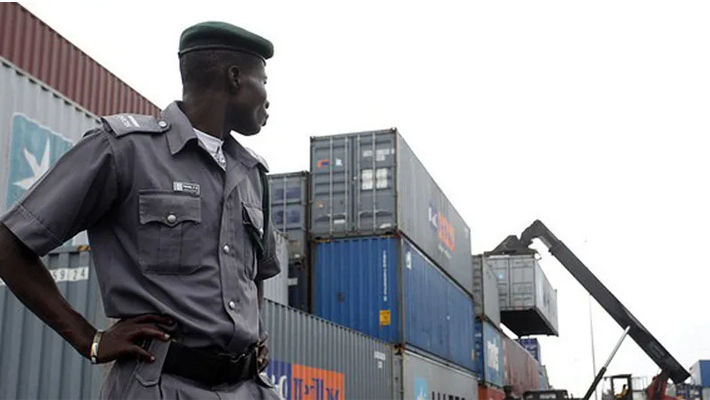
Customs plans less physical cargo inspection with new scanners, tracking system
The Nigeria Customs Service has completed factory tests on newly acquired cargo scanners and an electronic tracking system in China before shipping them to Nigeria.

Showbiz
Raye’s ‘This Music May Contain Hope’ album wins 2026 Mercury Prize
The 17-track album is Raye’s second studio album, and it beat other nominees like veteran Paul McCartney, Olivia Dean, JADE, and others to scoop the highly coveted award.
Politics
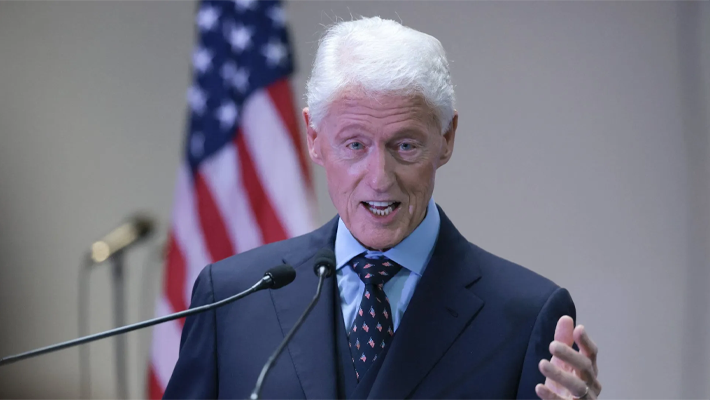
Bill Clinton quotes Quran, condemns anti-Muslim sentiments in U.S.
Former U.S. President Bill Clinton has condemned anti-Muslim rhetoric and discrimination, noting he is tired of people denigrating Muslims because of their faith.

World
U.S. Attacks: Iran’s IRGC threatens to invade countries, strike American military bases
Iran’s Islamic Revolutionary Guard Corps has threatened to attack neighbouring countries and American bases amid renewed attacks from the United States.
States
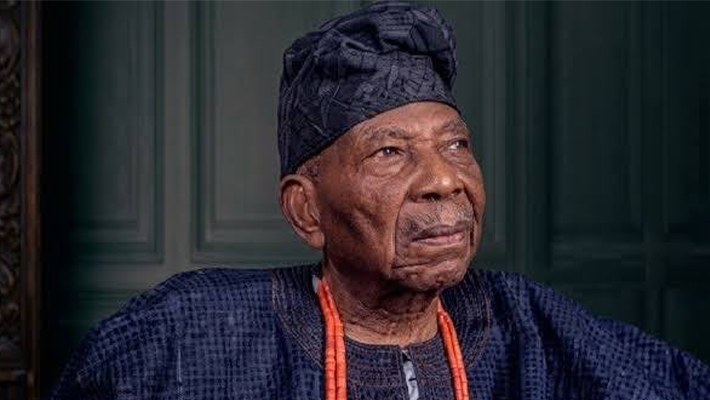
Family releases burial timetable for Afenifere leader Fasoranti
The family of the late Afenifere leader and elder statesman, Reuben Fasoranti, has announced burial arrangements for the Yoruba leader.


