

Nigeria, Netherlands sign agreement on tackling blood shortages

Nigeria and Netherlands have signed an agreement to address blood shortages leading to unnecessary suffering and death.
Health minister Muhammad Ali Pate while signing the agreement in Abuja, said the partnership aligned with the National Health Plan to increase blood supply.
Mr Pate added that the agreement would unlock the health sector value chain and encourage private sector participation.
“The partnership to initiate an autologous blood service resonates with the vision of President Bola Tinubu to establish a coordinated blood ecosystem. This partnership aligns with the National Health Plan and the Presidential initiative to unlock the health sector value chain and encourage private sector participation.
“Its primary goal, however, is to increase the blood supply, thereby saving the lives of numerous Nigerians,” Mr Pate said.
Similarly, Saleh Yuguda, director-general of the National Blood Service Commission (NBSC), said the partnership would reduce blood shortages, especially for treating cancer and sickle cell anaemia.
“We expect that this will help boost synergy for blood value chain optimisation and increase blood supply quality and efficiencies, thereby reducing pains and saving Nigerian lives.
“Incorporating autologous transfusions will significantly mitigate blood shortages in critical situations, enabling us to reserve donated blood for treating conditions like sickle cell anaemia and cancer,” he said.
Marjolijn Sonnema, Dutch deputy minister for public health, explained the challenges of implementing autologous blood transfusion services in regions with limited resources due to its sophisticated equipment.
Ms Sonnnema said the partnership would overcome such barriers by introducing HemoClear’s pioneering micro-filtration technology.
She said this would facilitate the collection and processing of a patient’s blood during surgery, transforming it into safe, transfusion-ready blood without additional machinery or power sources.
Vincent Franssen, CEO of HemoClea, said that partnering the NBSC, a regional leader in blood service expertise, guarantees streamlined implementation support, offers premier clinical training and logistics know-how, and sets the stage for future local production.
The NBCS/HemoClear alliance is financially supported by the French Fund for Innovation in Development (FID), reinforcing the commitment to global health improvements.
(NAN)

We have recently deactivated our website's comment provider in favour of other channels of distribution and commentary. We encourage you to join the conversation on our stories via our Facebook, Twitter and other social media pages.

More from Peoples Gazette

States
Independence: NBA urges Nigerians to expect better future
The NBA said that ordinary Nigerians should be deriving benefit from the subsidy removal rather than hardship.

Agriculture
FG tasks ECOWAS on leveraging financing strategies for agroecology
The federal government has urged stakeholders in the agriculture and finance sectors in the West Africa region to leverage financing strategies to enhance agroecology practices

Politics
Katsina youths pledge to deliver over 2 million votes to Atiku
“Katsina State is Atiku’s political base because it is his second home.”
Heading 5
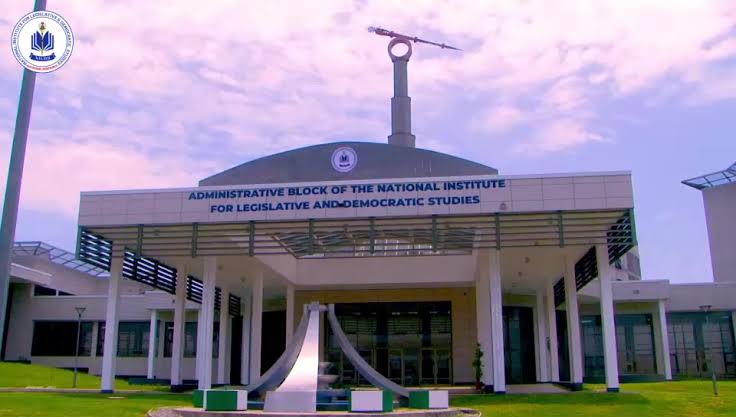
NILDS seeks stronger role for women in governance
According to the DG, democracy in Nigeria has come to stay and requires collective commitment.

Lagos
Lagos recruits 45 personnel to boost enforcement on Lekki-Epe corridor
Mr Osiyemi noted that the corridor had staffing challenges that slowed down operations.
Heading 2
Education minister inaugurates Nigeria’s first robotic surgery academy
Mr Alausa said the initiative would expand advanced medical training.
Health
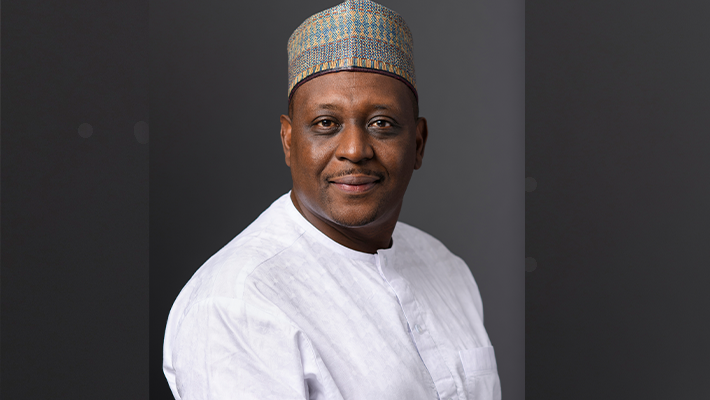
Pate warns politicians against politicising Ebola case
Mr Pate said health is a unifying issue that transcends political, ethnic and religious affiliations.
Economy
Tinubu’s economic reforms paving way for prosperity: Minister
The minister explained that the reforms were deliberate and courageous, aimed at addressing longstanding structural weaknesses.
Health
Kaduna expands last-mile health supply project to 1,000 facilities
Ms Isyaku said four zonal warehouses in Ikara, Sabon Gari, Zaria and Kafanchan, established under the project, were operational.


