

Tinubu’s inflation, forex crises force Nigerians to abandon foreign education: Study
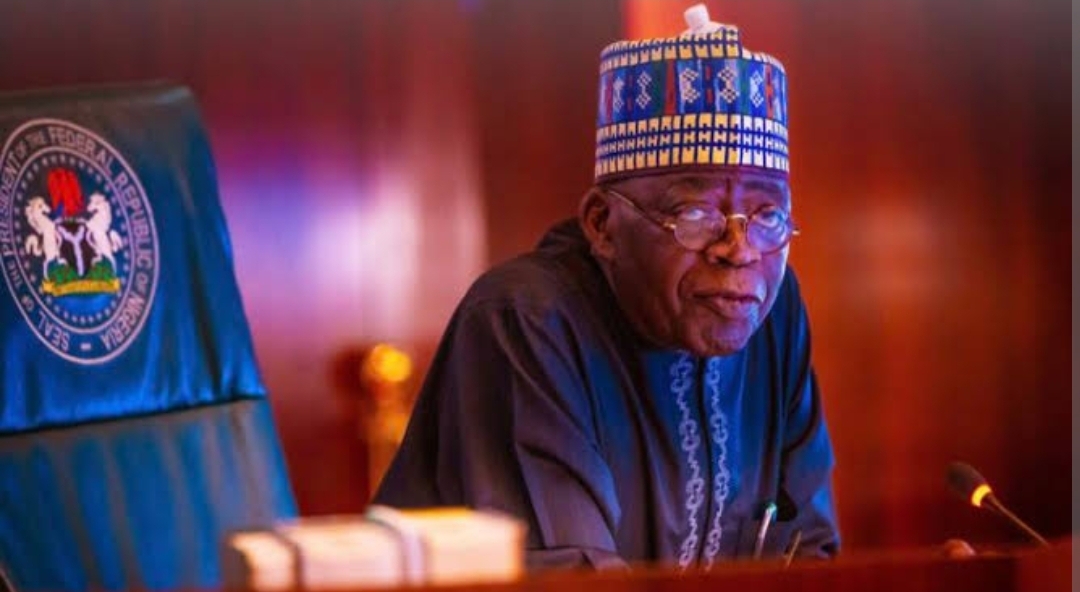
President Bola Tinubu’s economic reforms are gradually forcing many Nigerians studying abroad to abandon their education, a recent study revealed.
The data released by Studyportals, an Eindhoven-based company, showed that Nigerian students’ interest in studying abroad rose dramatically between 2021 and 2023 but began dropping, with a significant decline noticeable at the end of last year and through the first months of 2024.
According to Studyportals, the decrease began in March 2024, particularly in courses such as business management and applied science.
The decline has affected Nigerians, particularly in the UK, who cannot continue their education following Mr Tinubu’s directive on the nation’s foreign exchange markets, consequently allowing market forces to determine the exchange rate.
The devaluation of the naira means students would have to pay more to access forex to pay their tuition and continue their education.
For instance, the buying power of local currency fell from N471 to $1 and is now trading for N1,500 against the dollar.
The situation mostly affected UK universities and colleges, which have relied greatly on Nigeria for overall international enrollment growth, even though the country had also introduced a new policy.
The British policy, which went into effect in January this year, prevents the family members of international students, except those in postgraduate research-oriented programmes, from entering the UK on a sponsored study visa.
As of last year, Nigeria was the third largest market for the UK, followed by China and India. However, sponsored study applications to the country decreased by 44 per cent in the first three months of 2024.
Studyportals data showed that Nigerians’ demand for the UK is down more than it is for other destinations, and it notes the impact of policy on this trend.
It also linked the decrease in enrollment to UK varsities to the British government’s policy banning dependent visas and the announcement of a review of post-graduation work visas.
“This, combined with the economic struggles that Nigeria is currently facing, has made it quite difficult for Nigerian students to consider studying in the UK, which can be seen in the 76 per cent decrease in visa issuances that have been noted in January 2024,” the study added.

We have recently deactivated our website's comment provider in favour of other channels of distribution and commentary. We encourage you to join the conversation on our stories via our Facebook, Twitter and other social media pages.

More from Peoples Gazette

Agriculture
FG tasks ECOWAS on leveraging financing strategies for agroecology
The federal government has urged stakeholders in the agriculture and finance sectors in the West Africa region to leverage financing strategies to enhance agroecology practices

Politics
Katsina youths pledge to deliver over 2 million votes to Atiku
“Katsina State is Atiku’s political base because it is his second home.”

NationWide
Nigeria, Cameroon move to reduce delays at Mfum-Ekok border
The Comptroller-General of Customs, Bashir Adeniyi, said the initiative builds on existing cooperation between both countries.
States
Enugu plans graduation of over 900 medical doctors annually
Mr Ugwu said that the increased quotas would address the workforce shortage in the long term.

NationWide
First Lady unveils mechanised farming training for 5,000 women, youths
Mr Kyari said, stressing the need for wider access to appropriate agricultural technology.

Lagos
Gov. Sanwo-Olu declares state of emergency on Lagos’ waste management
Mr Sanwo-Olu urged residents to pay for waste management services.
Hot news Home top
Kaduna 2027 Budget: Attention still on human capital development, says commissioner
Mr Moronvia noted that next year’s budget would be the fourth in the Governor Uba Sani administration and the last budget cycle of his first term.

Hot news Home top
Dangote Refinery IPO: Turning everyday fuel buyers into refinery shareholders, says Dangote
Mr Dangote said widespread ownership of productive infrastructure strengthens the connection between citizens and national development.


