

FG woos Nigerian health professionals abroad to tackle emigration

The Federal Government has launched an initiative aimed at repatriating the expertise of Nigerian health professionals abroad to address the brain drain affecting the country’s healthcare sector.
The Minister of State for Health and Social Welfare, Dr Tunji Alausa, introduced the Nigerian Health Professionals in Diaspora Plus Engagement Programme during the Diaspora Stakeholders’ Forum on Thursday in Abuja.
Mr Alausa said that the programme sought to leverage the knowledge, skills, and experience of Nigerian healthcare professionals abroad to improve healthcare delivery at home.
According to him, the programme is designed to foster long-term collaboration between Nigerian professionals in the diaspora and their counterparts within the country.
“The continued emigration of our healthcare workforce has posed significant challenges to achieving Universal Health Coverage. However, this initiative provides an opportunity to turn brain drain into brain gain. It is part of the government’s four-point Strategic Health Agenda focused on reforming healthcare through improved governance, quality health systems, value chain development, and health security,” he said.
Mr Alausa urged private sector players and international partners to support the programme, underlining the need for sustainable collaboration to achieve its goals.
He also encouraged diaspora health professionals to invest in telemedicine, biomedical technology, and clinical research to bridge gaps in healthcare delivery.
Dr Ibrahim Wada of NISA Premier Medical Group highlighted the role of public-private partnerships in improving healthcare.
Mr Wada said that PPPs, which have been effective over the last 15 years, could help tackle diseases such as sickle cell and expand access to quality care.
Mr Wada also emphasised the importance of engaging communities and building capacity at the grassroots level, stressing that management is key to delivering quality healthcare services.
He said, “Effective management, not just modern equipment, creates a seamless experience for both healthcare professionals and patients.
‘Mr Wada called for better infrastructure and support for returning diaspora professionals to ensure that their contributions were impactful.
He suggested creating specialised healthcare centres across the country, each focusing on a particular medical specialty.
He said that such an approach would prevent overburdening institutions and reduce the need for Nigerians to seek treatment abroad.
President of the Healthcare Federation of Nigeria, Dr. Pamela Ajayi, discussed Nigeria’s potential to become a hub for medical treatment within West Africa.
Mr Ajayi explained the need for investment in medical infrastructure, including establishing healthcare banks to fund development.
She also pointed out the transformative potential of digital platforms and Artificial Intelligence in reaching rural areas and improving healthcare access.
Mr Ajayi said that the involvement of the Nigerian Diaspora was crucial for advancing research, innovation, and healthcare infrastructure.
Also, President of the Nigerian Medical Association, Prof. Bala Audu, underscored the importance of international collaboration and training to retain skilled healthcare workers and improve healthcare outcomes.
Mr Audu stated that partnerships between Nigeria and countries such as the UK could enhance healthcare systems and capitalise on mutual opportunities.
Dr Emilia Iwu of the National Association of Nigerian Nurses, North Carolina, stressed the need for balanced investment across healthcare levels, particularly primary healthcare.
“Primary health centres are the most accessible form of healthcare for people at the grass-roots. Strengthening these centres can ensure early and accurate interventions,” Ms Iwu said.
She said that while building teaching and general hospitals was essential, equal attention must be paid to developing primary healthcare facilities to ensure a comprehensive healthcare system that meets the needs of Nigerians.
(NAN)

We have recently deactivated our website's comment provider in favour of other channels of distribution and commentary. We encourage you to join the conversation on our stories via our Facebook, Twitter and other social media pages.

More from Peoples Gazette

States
Independence: NBA urges Nigerians to expect better future
The NBA said that ordinary Nigerians should be deriving benefit from the subsidy removal rather than hardship.

Agriculture
FG tasks ECOWAS on leveraging financing strategies for agroecology
The federal government has urged stakeholders in the agriculture and finance sectors in the West Africa region to leverage financing strategies to enhance agroecology practices

Politics
Katsina youths pledge to deliver over 2 million votes to Atiku
“Katsina State is Atiku’s political base because it is his second home.”

States
UNICEF, UNHCR urge Benue govt to strengthen GBV response mechanisms
Mr Atuchukwu urged stakeholders to contribute meaningfully to the process to ensure that the final documents reflect their respective mandates.

Heading 2
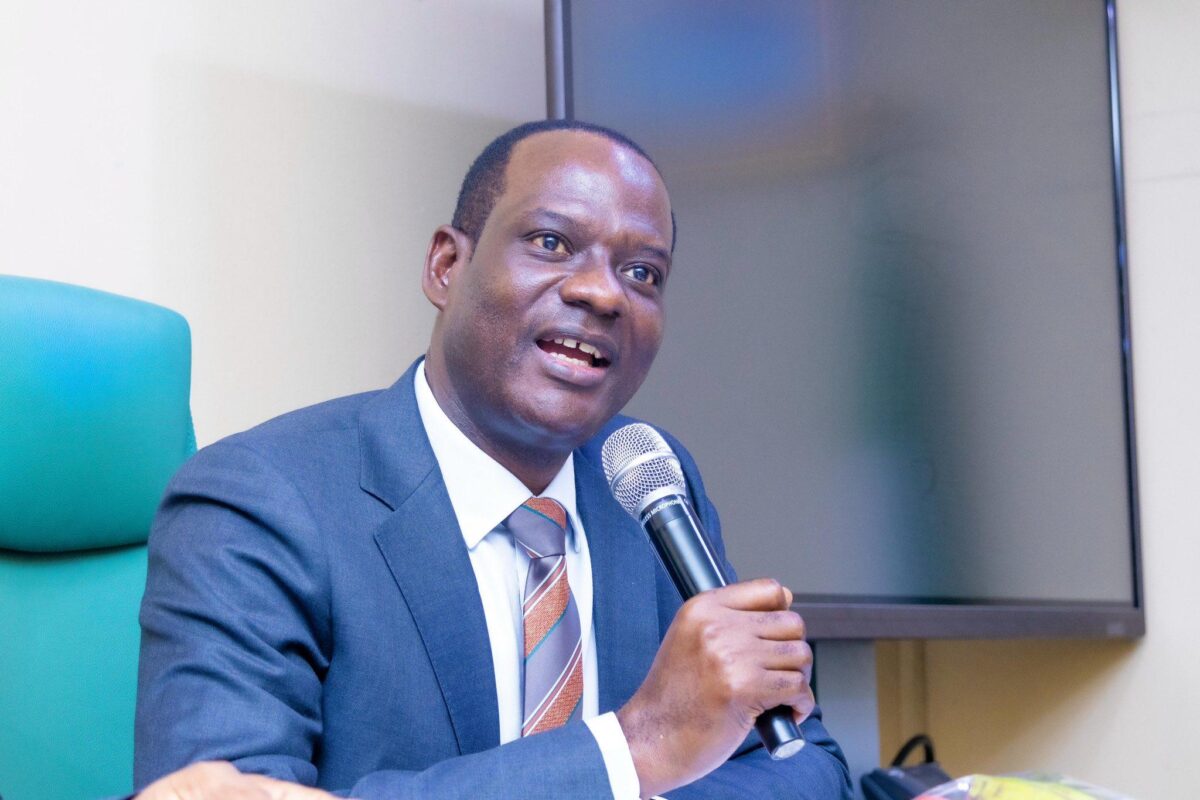
NMA raises alarm over doctors’ burnout, premature deaths
Mr Omoti urged doctors to undergo regular medical checks and maintain healthy lifestyles.
Heading 2
Tinubu plans to tax fuel once economy normalises: Taiwo Oyedele
Mr Oyedele said the subsidy Mr Tinubu removed was on fuel, noting that there was a foreign-currency subsidy before its removal.

Economy
Delta targets 100,000 small businesses in N5 billion empowerment scheme
Mr Ifeajika said Mr Oborevwori has directed councillors to empower at least 200 people in each ward.
Heading 5
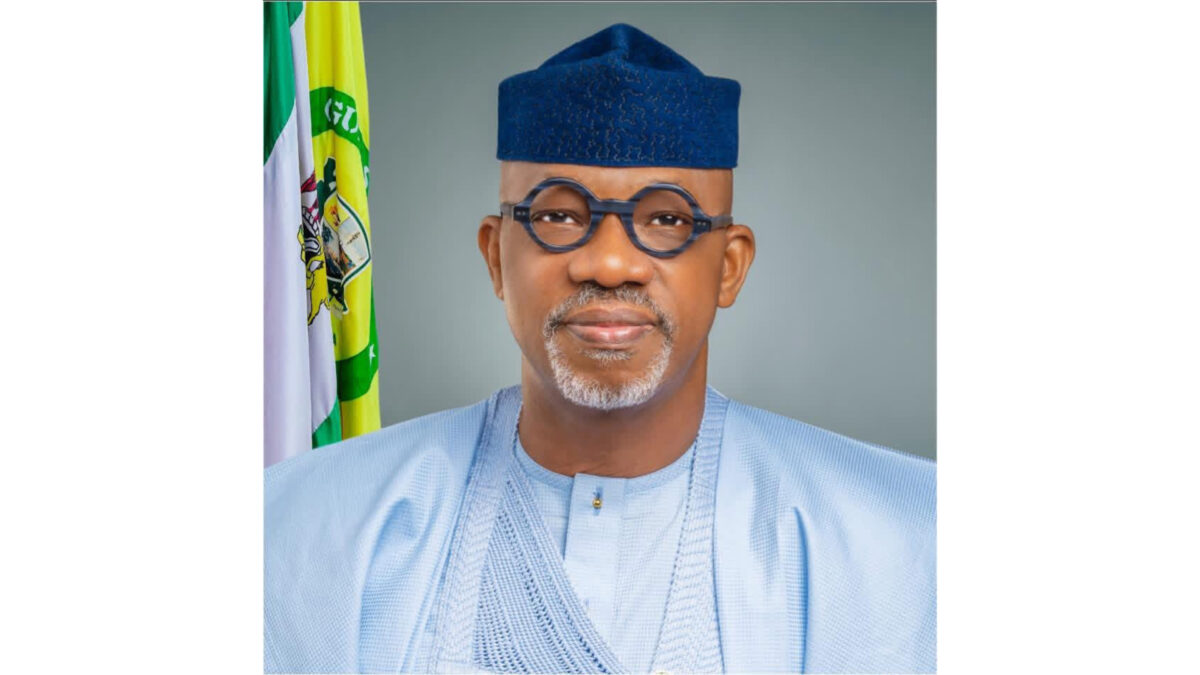
Gov Abiodun swears in two commissioners
The governor charged them to exercise prudence in managing public resources.

Lagos
2027: SDP candidate vows to unseat APC in Lagos
The candidate added that the SDP was committed to transforming Lagos’ political landscape through people-oriented policies.


