

Nigeria’s fertility rate dropped to 4.8 children per woman: Report
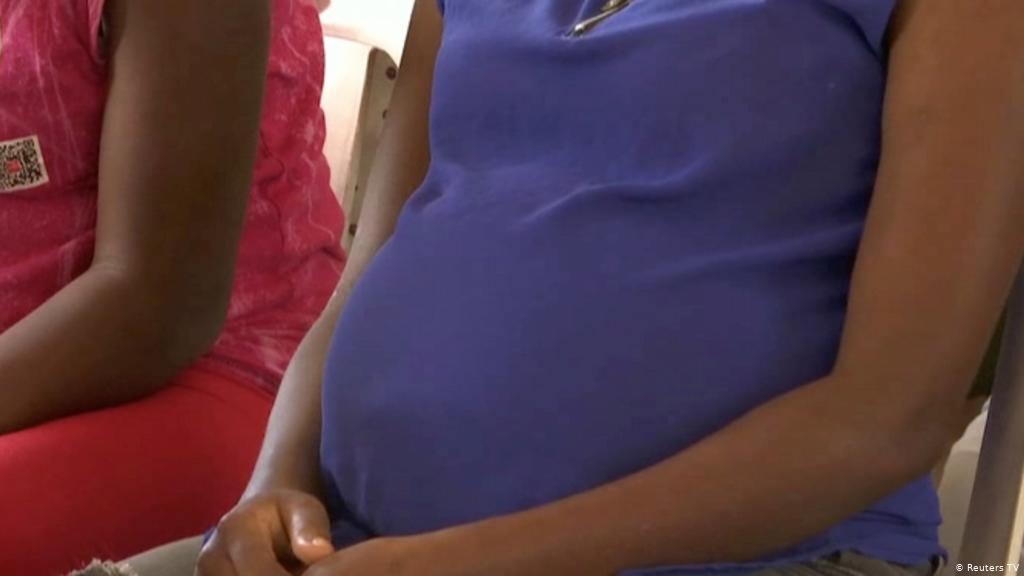
Nigeria’s fertility rate has declined in recent years, with the 2023–24 Nigeria Demographic and Health Survey (NDHS) showing women now bear an average of 4.8 children, down from 6.3 in 2008.
The NDHS report, released on Wednesday in Abuja, reflects progress in family planning awareness, though disparities remain between urban and rural areas.
The survey was conducted among women aged 15-49.
It indicates that fertility rates are notably higher in rural areas than in urban regions, with the former bearing an average of 5.6 children, while the latter have 3.9 children on average.
These figures underscore the need for expanded reproductive health services in rural communities.
The report also shows variations in fertility rates across the country.
The survey shows that the North-East records the highest rate at 6.1 children per woman, with the North-West closely following at 5.9.
“In contrast, the South-South region has the lowest fertility rate at 3.3, highlighting distinct demographic trends within the country,” it said.
Adolescent fertility remains an area of concern as Nigerian youths continue to face early pregnancy risks.
The NDHS revealed that 15 per cent of women aged 15–19 have been pregnant, with 11 per cent having already given birth.
It reveals that the fertility rate for adolescents is relatively low at 77 births per 1,000 women aged 15-19 but rises significantly with age, peaking at 233 births per 1,000 women aged 25–29.
The report further highlighted significant state-level differences, with FCT-Abuja showing a fertility rate of 3.2 and Rivers at 2.9, while Yobe recorded the highest rate at 7.5 children per woman.
According to the NDHS, these figures may be influenced by socioeconomic, cultural, and educational factors.
The survey underscored the critical need for tailored reproductive health programmes that address regional and community-specific needs.
Health experts are urging the government and NGOs to intensify efforts to provide accessible reproductive health services, particularly in rural areas and high-fertility states.
As Nigeria’s population grows, experts suggest that improving access to reproductive health services and family planning is essential to ensure sustainable development, economic stability, and enhanced quality of life.
Meanwhile, Jane Dasat, a maternal health expert, said investing in family planning services was one of the most effective strategies to reduce maternal mortality.
“When women have access to contraception and can plan their pregnancies, they are less likely to experience the complications that lead to maternal deaths,” Ms Dasat said.
(NAN)

We have recently deactivated our website's comment provider in favour of other channels of distribution and commentary. We encourage you to join the conversation on our stories via our Facebook, Twitter and other social media pages.

More from Peoples Gazette

Agriculture
FG tasks ECOWAS on leveraging financing strategies for agroecology
The federal government has urged stakeholders in the agriculture and finance sectors in the West Africa region to leverage financing strategies to enhance agroecology practices

Politics
Katsina youths pledge to deliver over 2 million votes to Atiku
“Katsina State is Atiku’s political base because it is his second home.”

States
Troops rescue kidnap victims, nab terrorist logistics suppliers in operations across Zamfara, Katsina, Kebbi
The statement noted that on 19 July 2026 vehicle conveying 10 motorcycles suspected to be for terrorists were intercepted during a routine stop-and-search operation in Kebbi State.

States
Man, 23, in court for allegedly threatening to kill his parents
The prosecutor said the offences contravene Sections 97, 287 and 396 of the Penal Code.

States
Court adjourns Benue candidates’ suit against APC until August 27
The judge warned that absence of any counsel resulting in a delay of the proceedings would attract sanctions.

Heading 4
Gov. Sani lectures states on how to copy Kaduna’s peace model
Mr Sani stressed that quality healthcare is not for a privileged few in Kaduna State but ‘’a fundamental right of everyone, particularly the downtrodden.’’

Heading 2
CBN retains benchmark interest rate at 26.5%
The latest decision to maintain the current policy stance followed a thorough assessment of the balance of risks.

Abuja
Two Abuja security guards, one other arraigned over alleged theft iron rods worth N5 million
The defendants pleaded not guilty to the charge.


