

Aderonke Atoyebi: To empower Nigerian workers, NLC boss Joe Ajaero should support Tax Reform Bill

It’s a new year that will possibly see to the passage and implementation of the People’s Bill, also known as the Tax Reform Bill. For Nigerian workers, the conversation surrounding this legislation is not just a political or economic issue but a matter of personal and collective empowerment. Following the recent call for its withdrawal by Joe Ajaero, President of the Nigeria Labour Congress (NLC), it is imperative to dispel any misconceptions and highlight the truth.
Joe Ajaero’s call to withdraw the Tax Reform Bill raises questions that demand serious scrutiny. Are other Labour members in agreement with his stance, or is this an isolated position? Has there been adequate consultation with unions, economic experts, and the workers who stand to gain the most from this legislation? With breakdowns of the bill consistently shared in the media, I wonder if Ajaero has truly studied its provisions. Is his opposition rooted in legitimate concerns or misunderstanding of the bill’s intent and structure? The Tax Reform Bill is not just another policy document; it is an initiative to ensure a more inclusive and equitable economy for all Nigerians.
The Tax Reform Bill is more concerned about the masses, especially Nigerian workers. It brings targeted relief to Nigerians by exempting those earning up to N1 million annually from PAYE taxes and reducing rates for salaries below N1.7 million monthly. Essentials like food, healthcare, education, and electricity are zero-rated for VAT, as well as transport, rent, and baby products —thereby reducing living costs. These measures prioritise affordability and financial relief for low and middle-income earners.
Small businesses, long regarded as the backbone of the Nigerian economy, are set to benefit from an increased tax exemption threshold, now raised from N25 million to N50 million in annual turnover. This means many small enterprises will enjoy full exemptions from company income and withholding tax, thereby reducing operating costs and enabling growth. Simplified tax processes further ease compliance, encouraging formalisation and transparency. The corporate income tax rate has been lowered for larger businesses from 30 per cent to 25 per cent. Additionally, the introduction of the Office of Tax Ombud will ensure swift resolution of disputes and protect taxpayers from arbitrary assessments.
These are just a few of the benefits. The Tax Reform Bill is truly focused on you, the Nigerian people. It ensures that Nigerians benefit from a more equitable and supportive tax system, from hardworking workers to small business owners.
In addition to the proposed changes, President Bola Ahmed Tinubu has demonstrated a clear intention to modernise the tax administration system. President Tinubu’s moves emphasise simplifying and making the tax process more transparent while protecting taxpayers’ rights. The government has been actively engaging with stakeholders, including the private sector, to ensure that the reforms align with the needs of businesses, especially small enterprises. The emphasis on reducing the corporate income tax rate from 30 per cent to 25 per cent clearly indicates the government’s commitment to attracting local and foreign investment. This reduction will stimulate job creation, promote business growth, and enhance the economic environment.
Furthermore, the government has been working to harmonise tax policies across different states, aiming to eliminate overlapping levies that have historically hindered business operations. The bill now gives 60 per cent of VAT revenue to the states where goods and services are consumed. This means states with more consumption will receive more funds, helping them improve services like roads, schools, and healthcare. With the bills, states will rely less on federal funding and have more control over their finances, allowing them to meet the needs of their people better and grow their economies. These actions underline the government’s dedication to creating a more investor-friendly economy.
In conclusion, Nigerian workers should know that the Tax Reform Bill will bring relief through reduced company income taxes, unlimited VAT input claims, and other reforms that will lower tax burdens and business costs. These changes will make businesses more profitable, enabling them to retain existing workers and create new jobs, driving expansion and promoting a more robust economy.
The Tax Reform Bill is a once-in-a-generation opportunity to reshape Nigeria’s economic sector in favour of its people. Nigerian workers deserve nothing less than the truth and deserve to see this bill implemented to realise its full potential.
Aderonke Atoyebi is the Technical Assistant on Broadcast Media to the Executive Chairman of the Federal Inland Revenue Service (FIRS)

We have recently deactivated our website's comment provider in favour of other channels of distribution and commentary. We encourage you to join the conversation on our stories via our Facebook, Twitter and other social media pages.

More from Peoples Gazette

States
Independence: NBA urges Nigerians to expect better future
The NBA said that ordinary Nigerians should be deriving benefit from the subsidy removal rather than hardship.

Agriculture
FG tasks ECOWAS on leveraging financing strategies for agroecology
The federal government has urged stakeholders in the agriculture and finance sectors in the West Africa region to leverage financing strategies to enhance agroecology practices

Politics
Katsina youths pledge to deliver over 2 million votes to Atiku
“Katsina State is Atiku’s political base because it is his second home.”

Abuja
Rising transport fares force FCT pupils to miss school
Transportation costs have risen sharply in recent months, with transport operators attributing the rise to persistent fuel price increases.
Politics
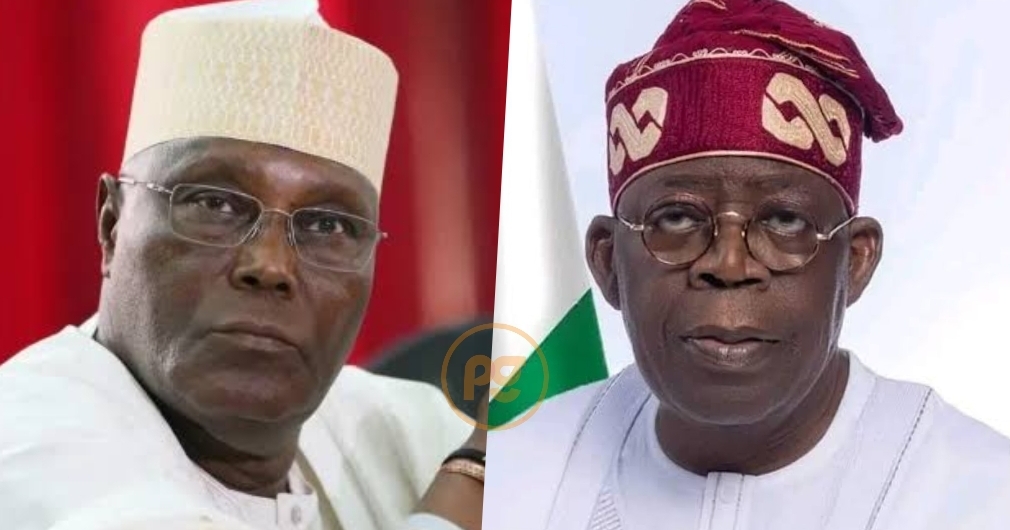
Atiku derides security deployment to protect Tinubu’s billboards while bandits attack communities
Mr Abubakar said that protecting billboards while citizens are exposed to terrorist attacks shows the poor priorities of Mr Tinubu’s government.

Health
Ebola patient in Nigeria married to Swiss diplomat: Ministry
The couple had been in Uganda since late September but returned to Nigeria earlier this month.

Africa
Ghana to stop raw mineral exports by 2030: Mahama
Mr Mahama reaffirmed that government policy will pivot from merely extracting raw materials to building complete industrial value chains.
Africa
Ghanaian broadcaster Kwame Dzokoto dies after collapsing during live show
Mr Dzokoto died early Thursday while participating as a panelist on the morning show on Owass FM/Radio in Tarkwa, Ghana’s Western Region.

Economy
Lagos butchers seek land for Eko Ranches, plan pilot scheme
The Lagos State Butchers Association says it is seeking approval to begin a pilot ranching scheme at Oko-Oba Abattoir while awaiting land for Eko Ranches.


