

Maternal, newborn mortality in Africa declining but progress slow: WHO
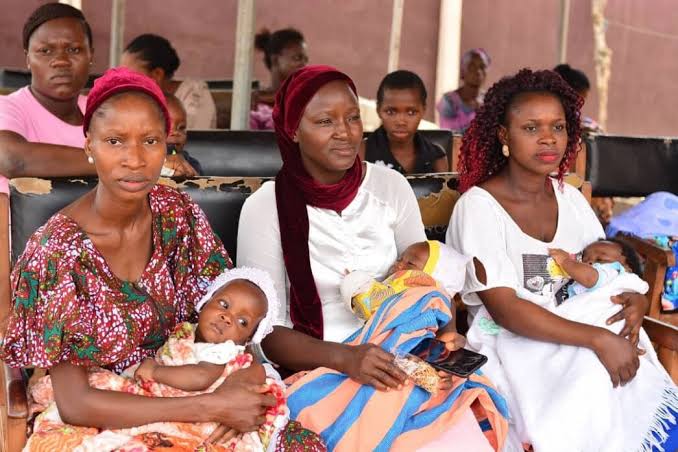
Africa needs a 12-fold increase of its annual reduction in mortality rate to reach the Sustainable Development Goals target of fewer than 70 deaths per 100,000 live births by 2030, despite the continent’s progress in reducing the rate since 2010.
This is according to the World Health Organisation, in a statement which quoted estimates by the United Nations Maternal Mortality Estimation Interagency Group as it marked World Health Day 2025 on April 7, themed ‘Healthy Beginnings, Hopeful Futures’, to drive investment and momentum in maternal and newborn health.
WHO said although Africa recorded a 40 per cent decline in maternal mortality, from 727 to 442 deaths per 100 000 live births between 2000 and 2023, “the region still accounts for 70 per cent of global maternal deaths.
Each year, an estimated 178,000 mothers and one million newborns die in Africa, many from preventable causes, according to WHO.
At the current annual reduction rate of 2.2 per cent between 2000 and 2023, the region “is projected to have nearly 350 maternal deaths per 100,000 live births by 2030, five times higher than the SDG target of fewer than 70 deaths.”
Likewise, although stillbirth and neonatal mortality rates have declined by 30 per cent and 33 per cent, respectively, between 2000 and 2023, according to WHO, sub-Saharan Africa still accounts for 47 per cent of stillbirths and 46 per cent of global newborn deaths.
The region is projected to record a neonatal mortality rate of about twice the SDG target of at least as low as 12 deaths per 1000 live births by 2030.
The global health organisation blamed inadequate financing, weak governance, health workforce shortages, disease outbreaks and conflicts for disruptions of maternal and child health services, thereby hindering the progress of reducing mortality rate, especially in fragile and crisis-affected areas, putting women and children at risk.
WHO, however, noted that more than 60 per cent of countries in the African region now report that over 80% of births are attended by skilled health personnel, a significant improvement from just 28 per cent in 2010.
However, progress varies across the region, with rural and crisis-affected areas continuing to face acute service shortage gaps.
Acting WHO regional director for Africa, Chikwe Ihekweazu, stated that in too many places, pregnancy and childbirth “are still life-threatening events.”

We have recently deactivated our website's comment provider in favour of other channels of distribution and commentary. We encourage you to join the conversation on our stories via our Facebook, Twitter and other social media pages.

More from Peoples Gazette

States
Independence: NBA urges Nigerians to expect better future
The NBA said that ordinary Nigerians should be deriving benefit from the subsidy removal rather than hardship.

Agriculture
FG tasks ECOWAS on leveraging financing strategies for agroecology
The federal government has urged stakeholders in the agriculture and finance sectors in the West Africa region to leverage financing strategies to enhance agroecology practices

Politics
Katsina youths pledge to deliver over 2 million votes to Atiku
“Katsina State is Atiku’s political base because it is his second home.”

NationWide
Over 84% Nigerians willing to vote in 2027: Yiaga survey
Mr Abdul urged political parties to mobilise voters and strengthen civic education.

Diaspora
Trump govt proposes $70,000 fees for Nigerians, other foreign students to work in U.S.
The DHS said it would welcome public comments and inputs on the proposed rule from October 8 through November 9.

Heading 1
Finance ministry, accountant-general didn’t query Emefiele-led CBN withdrawal of N124.86 billion from FG’s account: Witness
Justice Maryanne Anenih adjourned the matter until November 26 for continuation of trial.

States
Three siblings drag relative to court over alleged defamation
The defendant, through his counsel, M.K. Mustapha, denied the allegations.

NationWide
Regulations not to gag FinTech, digital assets operators: SEC
Mr Ajomale said the commission’s mandate was to manage risks and ensure financial system stability.
NationWide
ICRC supports NMCN to tackle violence in healthcare settings
Mr Alhassan expressed appreciation to the ICRC for its continued partnership and support.


