

Expert urges stronger hepatitis awareness in Nigeria
Jude Nwabueze, director of More Life Laboratory and Blood Bank, Awka, has called on health policymakers at both the federal and state levels to intensify awareness campaigns on hepatitis in Nigeria.
Mr Nwabueze, while speaking in Awka on Thursday, described hepatitis as a deadly and highly transmissible virus that deserves as much, if not more, attention than HIV/AIDS in terms of public advocacy and education.
“Hepatitis is the inflammation of the liver, with variants A, B, C, D, and E. The most dangerous among them are the B and C variants,” he explained.
According to Mr Nwabueze, laboratory scientists play a crucial role in the management of transmissible diseases through diagnosis, public awareness, and policy advisory.
He advised that national health management authorities and the National Orientation Agency should give more attention to hepatitis and other transmissible diseases, comparable to the focus currently placed on HIV/AIDS.
“The danger in this is that there are other diseases that are deadlier than HIV/AIDS, like Hepatitis B, which is more deadly and more easily transmitted. When hepatitis enters the body, it attacks the liver. The public needs to understand this. They need to know that testing is essential and that there are ways to protect themselves,” he said.
Mr. Nwabueze restated the importance of early testing, noting that the virus can remain in the body for an extended period without symptoms, which would make it more challenging to manage once symptoms become evident.
He said hepatitis could be contracted through contact with body fluids such as sweat, saliva, sputum, blood, semen, and urine, and that even casual contact with an infected person could pose a risk.
The scientist noted that a hepatitis vaccine existed and could provide protection for up to 10 years. He advised individuals who were unsure of their health status to get tested and vaccinated if necessary.
“There is no place for ‘trusted partners’ when it comes to viral diseases. Everyone should know their status,” he warned.
Mr Nwabueze recommended that health policymakers and public health managers should bring hepatitis education directly to the people.
“The bad thing about hepatitis is that by the time symptoms begin to show, the disease may have progressed significantly. If one member of a household is infected, others are at risk, especially if they share utensils like spoons, cups, or buckets,” he added.
(NAN)

We have recently deactivated our website's comment provider in favour of other channels of distribution and commentary. We encourage you to join the conversation on our stories via our Facebook, Twitter and other social media pages.

More from Peoples Gazette

States
Independence: NBA urges Nigerians to expect better future
The NBA said that ordinary Nigerians should be deriving benefit from the subsidy removal rather than hardship.

Agriculture
FG tasks ECOWAS on leveraging financing strategies for agroecology
The federal government has urged stakeholders in the agriculture and finance sectors in the West Africa region to leverage financing strategies to enhance agroecology practices

Politics
Katsina youths pledge to deliver over 2 million votes to Atiku
“Katsina State is Atiku’s political base because it is his second home.”

NationWide
Group urges police to obey court order reinstating 455 cops compulsorily retired
The group noted that the National Industrial Court, sitting in Abuja, ordered the police authorities to reinstate the affected cops.

NationWide
CBN governor Olayemi Cardoso emerges chairman of Africa Finance Corporation
Mr Cardoso would replace Ireti Samuel-Ogbu, who had chaired the board since April 2025.

World
UN member states warn funding shortfall threatening 2030 SDGs
Nepal alone would gulp $5 billion to reconstruct fallen facilities and infrastructure damaged in the flash floods.

NationWide
Project WHEAT-NESS is whole-chain programme not subsidy: FG
Mr Isokpunwu said Nigeria imported over six million tonnes of wheat yearly at a cost exceeding $2 billion.
Hot news Home top
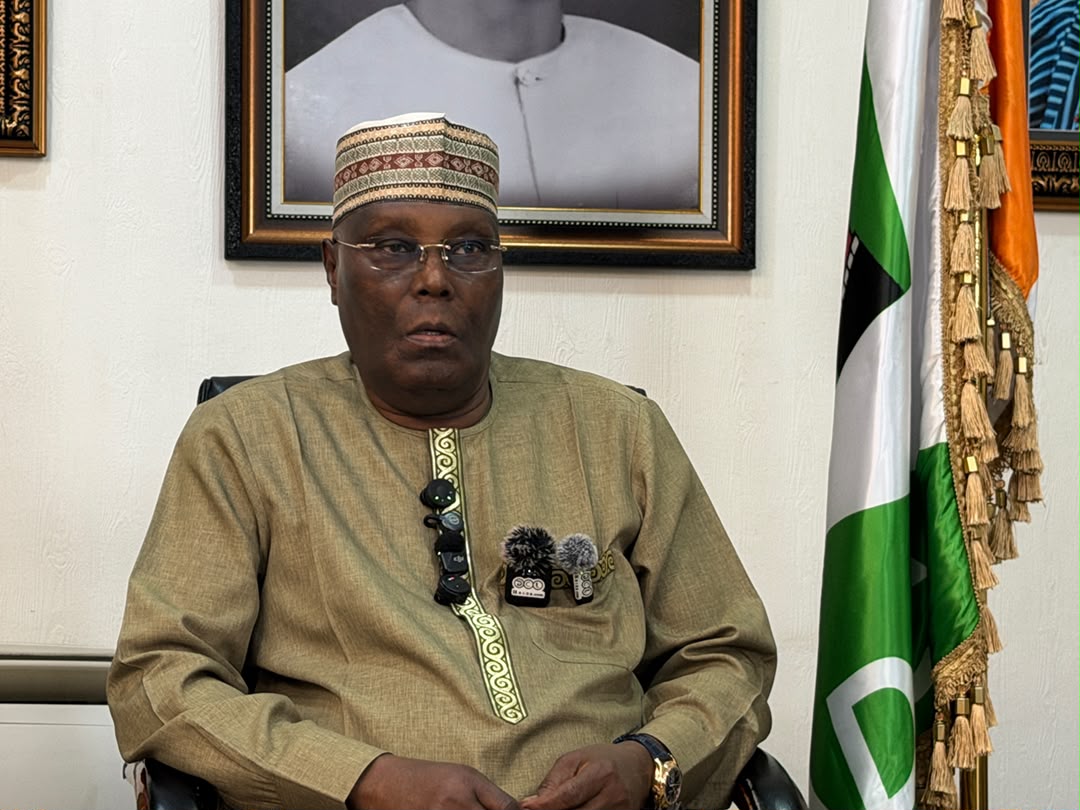
Tinubu’s elite friends crowded his campaign list; but millions of Nigerians will vote him out: Atiku
Mr Atiku said, “Only a man afraid of his record would think he could bury it under hundreds of names.”
NationWide
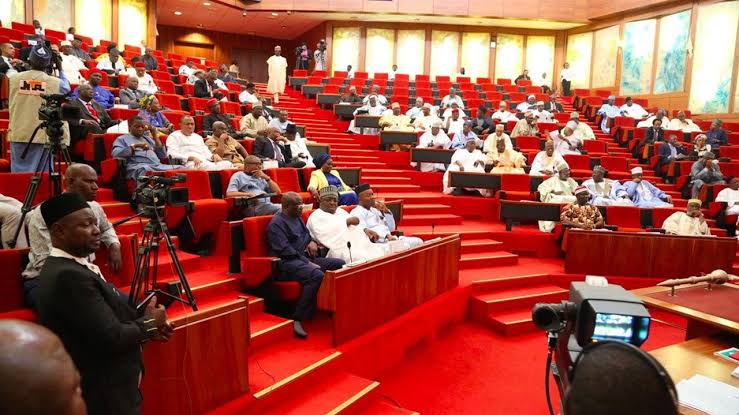
Senate passes bills to establish teaching hospitals in Kaduna, Benue
The committee recommended that the Senate consider and pass both bills after consideration.


