


Nigeria needs proactive steps for 2030 oil target: SPE

The Society of Petroleum Engineers (SPE) says Nigeria must implement proactive measures to achieve a crude oil production target of 2.7 million barrels per day (mbpd) by 2030.
SPE also stated that the country needs to focus on enhanced oil recovery methods, pipeline security, gas resource monetisation, and improved infrastructure reliability.
Amina Danmiani, chairman of the SPE Nigeria Council, said this on Friday while addressing journalists in Lagos ahead of the organisation’s 2025 International Conference and Exhibition (SPENAICE) from August 4 to 6.
According to Ms Danmiani, Nigeria currently produces about 1.75 million barrels per day of crude oil and condensates.
She said the country was also working to maximise the use of its 209 trillion cubic feet of natural gas as a transitional fuel to support energy security and economic diversification.
Ms Danmiani noted that SPENAICE 2025 would showcase technical insights and practical solutions aligned with Nigeria’s energy development goals.
“Over the past year, Nigeria has witnessed historic divestments by international oil companies from onshore and shallow-water assets.
“SPENAICE 2025 will be a turning point for Nigeria’s energy future,” she said.
She described the conference as more than just an event, describing it as “West Africa’s premier platform for energy innovation, policy dialogue, and professional excellence.”
She said the conference reflected Nigeria’s urgent need to integrate technology, local capacity, and forward-thinking policies to achieve energy security and a $1 trillion economy.
According to her, the event is expected to feature over 4,000 participants, more than 80 exhibiting companies, and several high-level leadership panels.
“SPENAICE 2025 aims to address pressing challenges in oil production, gas monetisation, infrastructure optimisation, and post-divestment asset management,” Ms Danmiani said.
She reaffirmed SPE’s commitment to bridging the knowledge gap, empowering young professionals, and strengthening indigenous participation amid ongoing industry transitions.
(NAN)

We have recently deactivated our website's comment provider in favour of other channels of distribution and commentary. We encourage you to join the conversation on our stories via our Facebook, Twitter and other social media pages.

More from Peoples Gazette

Agriculture
FG tasks ECOWAS on leveraging financing strategies for agroecology
The federal government has urged stakeholders in the agriculture and finance sectors in the West Africa region to leverage financing strategies to enhance agroecology practices

Politics
Katsina youths pledge to deliver over 2 million votes to Atiku
“Katsina State is Atiku’s political base because it is his second home.”
Lagos
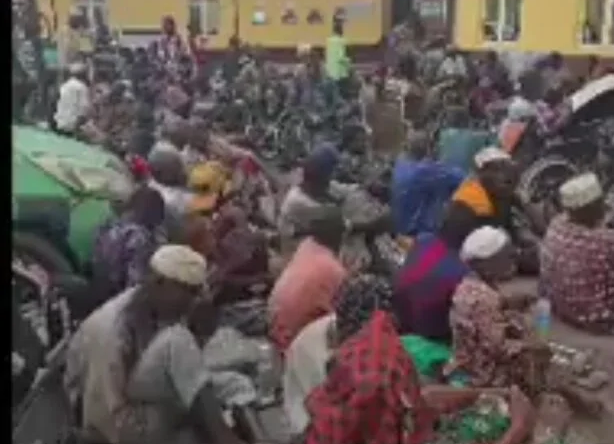
Lagos arrests 400 beggars
The Lagos government has apprehended 396 beggars in a coordinated environmental sanitation enforcement operation aimed at promoting a cleaner, safer, and more orderly state.

States
Two suspects arrested for armed robbery, housebreaking in Bauchi
The police command in Bauchi has arrested two suspects for criminal conspiracy, housebreaking and armed robbery in Gadau town.

Heading 4
30 politically motivated killings recorded in Osun ahead of August 15 governorship election
The police have confirmed 30 cases of alleged politically motivated killings ahead of the August 15 governorship election in Osun
States
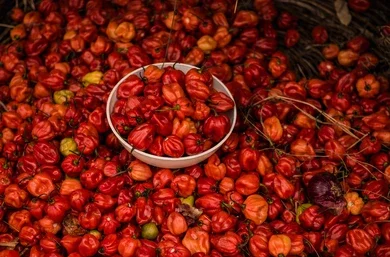
Nasarawa trader arrested, arraigned for stealing pepper
A 45-year-old trader, Garba Manu, was arraigned before the chief magistrate’s court in Mararaba, Nasarawa, on Tuesday on charges of theft and criminal intimidation.
Diaspora
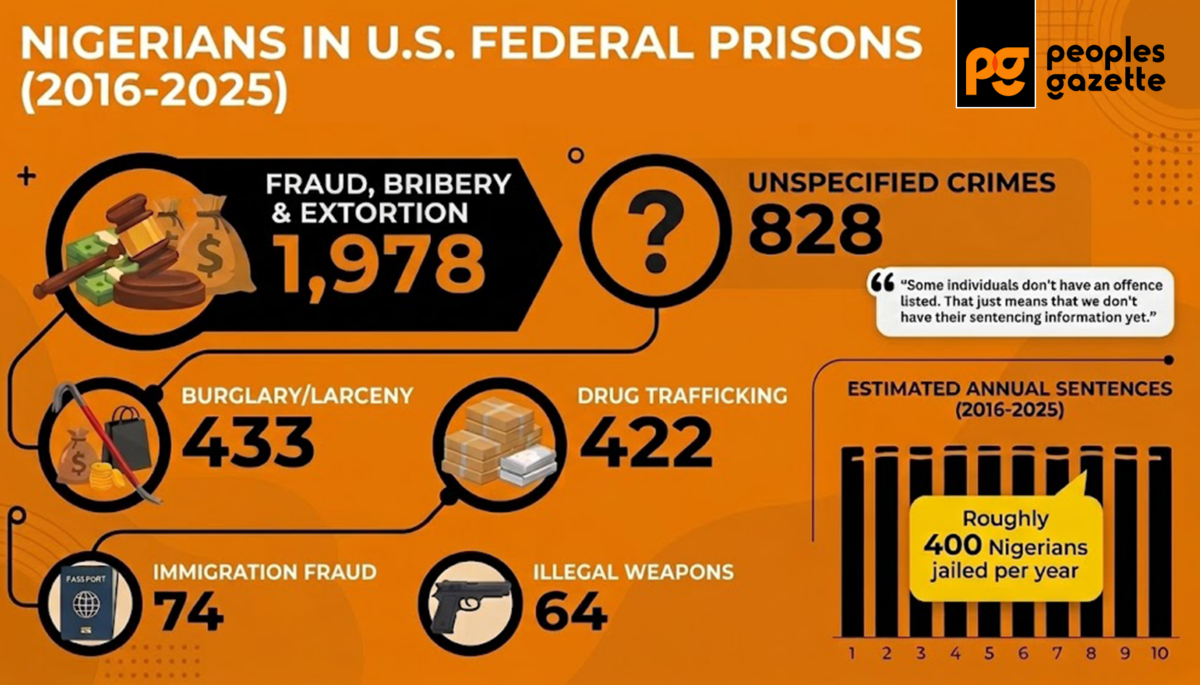
400 Nigerians jailed every year in U.S. federal prisons, document shows
Approximately 400 Nigerians are jailed annually in U.S. federal prisons for various crimes, a document exclusively obtained by Peoples Gazette shows.
Lagos
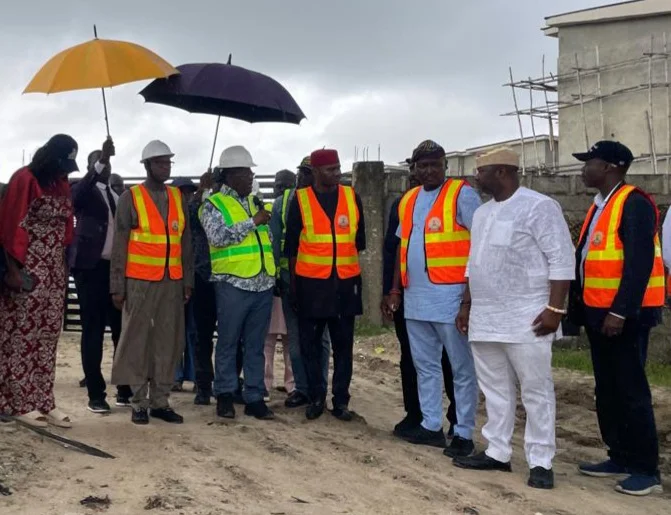
Lagos flooding started from White men’s colonisation of Nigeria, not caused by coastal highway: Senator Allwell Onyesoh
This flooding of Lagos did not begin today. It dates back to the days of the White men. So, what we are seeing today is not new,” Mr Onyesoh said.


