

Imo, Abia education stakeholders want post-UTME scrapped
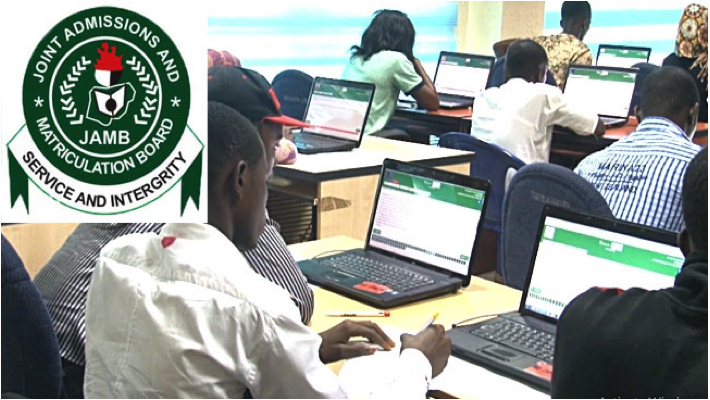
Education stakeholders in Imo and Abia have called for the abolition of the post-University Matriculation Examination (UTME) screening for candidates seeking admission into higher institutions in the country, describing it as “unnecessary.”
A cross-section of people made the call in separate interviews conducted as part of a survey on the propriety or otherwise of the second qualifying examination.
They stated that with the latest introduction of computers to conduct the UTME, the post-UTME had lost its relevance and should be scrapped without delay.
In Owerri, a parent, Obinna Uzochi, stated that the computer-based UTME had significantly reduced the incidence of malpractice and impersonation, as well as other forms of malpractice, which the post-UTME test aimed to check.
A retired principal, Rosemary Chiatula, however, differed slightly, describing the introduction of post-UTME as laudable but suggesting that its processes should be made less risky for the candidates.
She also pointed out that the screening had also become compromised by staff of higher institutions, who allegedly sell the post-UTME questions to prospective candidates ahead of the screening.
Another retired educationist, Anastasia Ugoh, demanded that the screening should be stopped because tertiary institutions do not make adequate arrangements for the candidates.
Ms Ugoh recalled an experience where some candidates, who travelled interstate, were left at the mercy of miscreants due to the lack of accommodation and other logistics arrangements for the screening.
A staff member of the Federal University of Technology, Owerri, who spoke on the condition of anonymity, said the extra screening was introduced “to weed out candidates who may have scored high marks through malpractices in the UTME.”
The staff member added, “Because of those high scorers, the cut-off marks for admission were raised, and intelligent candidates, who could have qualified, were usually dropped in favour of those who actually did not merit the admission.”
A secondary school teacher, Callistus Ibe, said the pressure of preparing for tests could cause candidates to underperform.
“The post-UTME screening is only repeating the UTME, which is not effective,” he said.
A school administrator, Stella Osuji, argued that the screening helps to legitimise and improve admission credibility by removing underperforming candidates while partially curbing examination malpractices.
Ms Osuji, however, expressed concern over the cost of sitting for the post-UTME.
“This has placed extra financial strain on the candidates and their parents and guardians, who are already struggling economically,” she said.
A senior staff member of the Imo Ministry of Education, Ify Nebedum, said physical attendance encourages better monitoring and ensures that candidates do not cheat.
Ms Nebedum also said some institutions believed the effectiveness of the screening could be compromised if it were conducted online or off-site, where cheating would be harder to control.
She, however, wondered why universities invite a large number of candidates for the post-UTME when they have a limited number of admission slots.
A senior staff member of Alvan Ikoku Federal University of Education, Owerri, who spoke on condition of anonymity, said the broad invitation was necessary to ensure that universities select the best candidates and adhere to their admission quotas.
“They need a pool larger than the required number to find the most qualified candidates based on their established cut-off marks,” the staff said.
Some students also called for the scrapping of the UTME screening and recommended the harmonisation of the Senior School Certificate Examination with JAMB as the criterion for admission.
A third-year undergraduate of economics at Imo State University, Owerri, Chika Ikedi, said the measure would help to better project JAMB as Nigeria’s admission body for tertiary institutions while cutting off “unnecessary, multiple expenses” for students.
In Abia, a parent, Ndukwe Kalu, decried the financial difficulties faced in obtaining admission into tertiary institutions in the country and described the post-UTME screening fees, acceptance fees, and clearance fees as excessive.
He lamented the long distances candidates have to travel for post-UTME screening, often incurring additional costs in transport and accommodation.
A teacher, Regina Ndubuisi, advocated for more affordable and accessible alternatives for candidates’ evaluation.
“It is unfortunate that some schools use the screening as an opportunity to extort candidates and parents,” she said.
An undergraduate, Mary Udekwe, said, “Since a candidate has earned a good score in JAMB, there is no need to make him sit another entrance examination.”
She called for the scrapping of post-UTME, arguing that the UTME is enough to test a student’s ability for admission.
A school proprietor, Chinwe Ugele, blamed the double tests on “confused policy-makers.”
“I do not see the reason a student would finish sitting the UTME with a good score, and then the university would still subject the child to further tests. I think it is a duplication of functions and an extortion of money from parents,” she said.
(NAN)

We have recently deactivated our website's comment provider in favour of other channels of distribution and commentary. We encourage you to join the conversation on our stories via our Facebook, Twitter and other social media pages.

More from Peoples Gazette

States
Independence: NBA urges Nigerians to expect better future
The NBA said that ordinary Nigerians should be deriving benefit from the subsidy removal rather than hardship.

Agriculture
FG tasks ECOWAS on leveraging financing strategies for agroecology
The federal government has urged stakeholders in the agriculture and finance sectors in the West Africa region to leverage financing strategies to enhance agroecology practices

Politics
Katsina youths pledge to deliver over 2 million votes to Atiku
“Katsina State is Atiku’s political base because it is his second home.”
Politics
2027: NDC to inaugurate presidential council October 20
The chairman said the party was taking time to make appropriate appointments to avoid disagreements that could disrupt its campaigns.

World
About one million without electricity after hurricane makes landfall in Florida
Isaias peaked as a category three hurricane, with heavy rain and powerful winds, but has since been downgraded.
Lagos
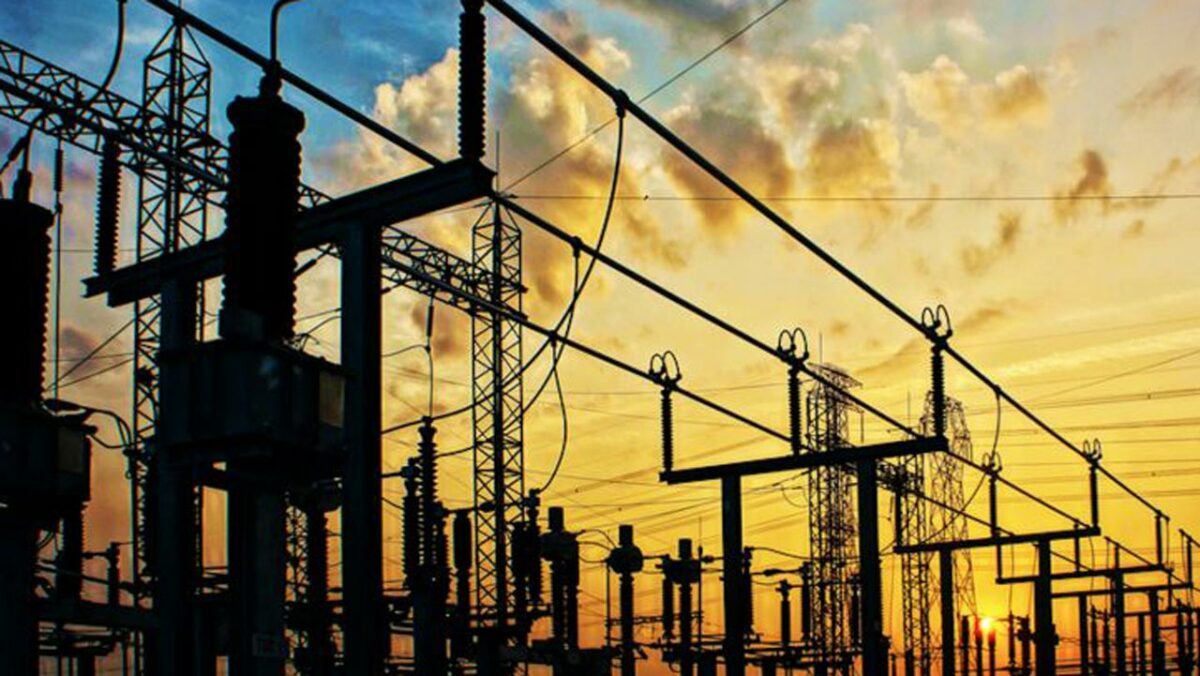
Lagos targets 3,000MW electricity supply by March 2027
Mr Sanwo-Olu said the initiative is part of efforts to end blackouts and build a 24-hour power economy in the state.
Politics
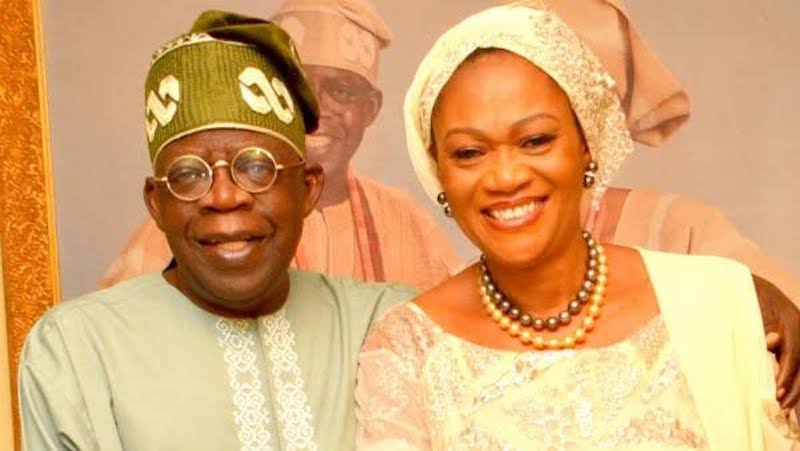
Nigeria at its best in 12 years; no govt has built infrastructure like my husband’s, says Remi Tinubu
Mrs Tinubu also cited the administration’s food support programme, saying it was designed to provide nutritious food for children.

States
Turkish Airlines increases Lagos flights from seven to 10 weekly
The statement added that the increase was aimed at meeting the growing travel demand between Nigeria and Türkiye.
States
Gov Yusuf condoles victims of bandit attack in Kano
Mr Yusuf assured residents that the state government was intensifying efforts to strengthen security through collaboration with relevant security agencies.


