

Experts seek stronger agriculture, market linkage to boost food security

Stakeholders in Nigeria’s agribusiness and food systems have called for stronger linkage between agriculture, industry, and markets to unlock value chains, enhance food security, and accelerate sustainable economic growth.
They made the call on Thursday in Lagos during a communique from the American Business Council event.
Foluso Alabi, the country team lead for Nigeria and sub-Saharan Africa at the U.S. Soybean Export Council, called for sustained efforts toward ensuring food and nutrition security as a pathway to improved health, productivity, and economic growth.
Mr Alabi restated that adequate nutrition enhanced cognitive function, reduced absenteeism, and strengthened the labour force, enhancing economic output.
He explained that while food security focused on availability, nutrition security underscored the quality and balance of nutrients consumed, noting that Nigeria still faces a significant protein consumption gap.
Through initiatives like the Right to Protein campaign, Mr Alabi said USSEC was working to raise awareness about adequate protein intake, policy advocacy, and collaborations that increase access to protein-rich foods.
Macdonald Ukah, lead of the economic intelligence function at Flour Mills of Nigeria, stressed that Nigeria must prioritise connecting agriculture to industrial processing and markets to unlock value, boost productivity, and strengthen food security.
Mr Ukah noted that agriculture accounted for about 28 per cent of Nigeria’s real GDP in 2024, underscoring its significance as a source of livelihood for millions of rural households.
He highlighted the predominance of smallholder farmers as a defining feature of the sector, stressing that any effort to transform agriculture must focus on improving their productivity.
Citing maize as an example, he noted that Nigeria currently produces an average of two tonnes per hectare, less than half of the global average.
Mr Ukah added that doubling yields to four tonnes without expanding farmland could meet domestic demand and create export surpluses under the African Continental Free Trade Area.
He reiterated that yield transformation requires investment in high-quality seeds, fertilisers, mechanisation, and indigenous research, alongside the deployment of trained extension workers to promote best agronomic practices.
Mr Ukah called for targeted industrial policies to stimulate agro-processing through fiscal incentives, low-cost funding, and the establishment of special agro-industrial processing zones.
On market development, Mr Ukah underscored the importance of efficient commodity exchanges to link farmers with processors, stabilise prices, and reduce post-harvest losses. He identified inadequate storage infrastructure as a major bottleneck, saying Nigeria produces between 30 and 33 million metric tonnes of grains annually but has silo capacity for only about 1.5 million tonnes.
Mr Ukah also called for the establishment of a national food systems data dashboard and early warning mechanism to close information gaps and support evidence-based planning.
He reaffirmed FMN’s commitment to building resilient value chains and promoting sustainable growth through agriculture-led industrialisation.
Nneka Enwereji, president of ABC, described the event’s theme as timely and relevant, noting that Nigeria stood at an inflection point with vast agricultural potential, a growing industrial base, and one of Africa’s largest consumer markets.
Ms Enwereji said the real opportunity lay in how effectively these parameters were connected to create sustainable growth.
She asserted that when agriculture, industry, and markets move in alignment, transformation, rather than incremental growth, becomes possible.
(NAN)

We have recently deactivated our website's comment provider in favour of other channels of distribution and commentary. We encourage you to join the conversation on our stories via our Facebook, Twitter and other social media pages.

More from Peoples Gazette

Agriculture
FG tasks ECOWAS on leveraging financing strategies for agroecology
The federal government has urged stakeholders in the agriculture and finance sectors in the West Africa region to leverage financing strategies to enhance agroecology practices

Politics
Katsina youths pledge to deliver over 2 million votes to Atiku
“Katsina State is Atiku’s political base because it is his second home.”

States
Delta, NDLEA sensitise pupils to dangers of illicit drugs
The school authorities described the initiative as timely and valuable.

Heading 2
Fire service retrieves 52-year-old man’s body from Kwara well
Mr Adekunle noted that the location was said to be close to the residence of the deceased.

Heading 1
U.S.-based Ghanaian professor Kofi Akamani shot dead, wife arrested
Ms Akamani is scheduled to be back in court on October 6 for a preliminary hearing.
NationWide
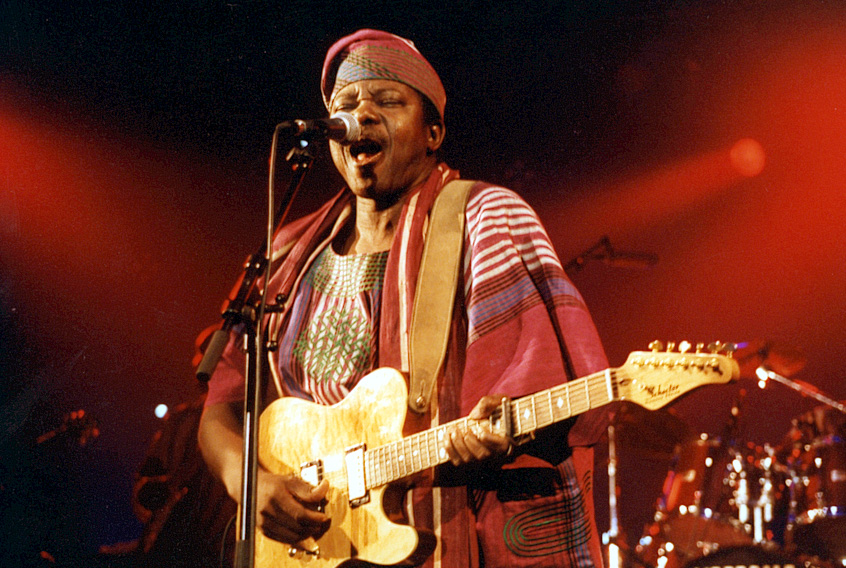
Fans celebrate iconic juju singer King Sunny Ade at 80
The octogenarian is also a recipient of the Member of the Order of the Federal Republic (MFR).

Rights
Expert backs suicide decriminalisation
Taiwo Obindo, a psychiatrist, says decriminalising attempted suicide will enable more people to access mental health assessment, treatment and psychosocial support.
Agriculture
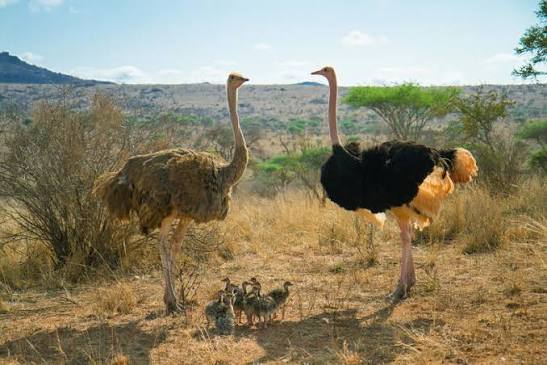
WAP decries cruelty against ostriches in South Africa
An international non-profit organisation, World Animal Protection, has decried the cruelty masterminded against ostriches in South Africa.


