

EFCC secured over 7,000 convictions, recovered N500 billion in two years of Tinubu’s administration: Shettima

Vice President Kashim Shettima said that the Economic and Financial Crimes Commission (EFCC) has handled more than 7,000 cases and recovered over N500 billion in the last two years of President Bola Tinubu’s administration.
Mr Shettima disclosed this on Monday at the seventh edition of a three-day capacity-building workshop for judges and justices, organised by the EFCC and the National Judicial Institute in Abuja.
“As an administration, we have prioritised public accountability by strengthening the anti-corruption agencies and giving them the needed independence to execute their statutory mandates.
“This enabling environment is evident in the impact that has been made in the last two years. The EFCC, for example, has recorded over 7,000 convictions in the past two years of the present administration and recovered assets in excess of ₦500 billion,” he said.
According to Mr Shettima, “Recovered proceeds of crime by the EFCC are being brought back into the economy to fund critical social investment programmes, including the students’ loan and consumer credit schemes.”
He added, “We are equally working within the boundaries of the separation of powers to support the judiciary in improving the working conditions of judicial officers.”
Mr Shettima also noted that the remuneration of judges has improved as a result of the recovered proceeds of crime by the anti-graft agency.
He reiterated that the Mr Tinubu-led “administration ensures the rule of law and accountability among all public servants.”
Mr Shettima further said that Mr Tinubu’s government “has allowed both the judiciary and the anti-corruption agencies to exercise their constitutional and statutory powers to dispense justice and restore sanity.”
He urged members of the judiciary to continue carrying out their duties with patriotism, noting that no section of society is exempt from the negative impact of corruption.
“There are no special roads, hospitals, or communities for judges,” he said. “We all shop in the same markets and face the same risk of insecurity, which is the culmination of decades of willful theft and wastage of the nation’s resources by corrupt public officials.”
Mr Shettima, however, highlighted his belief in the judicial system, which he described as pivotal to a corruption-free Nigeria.
“A robust judicial system is central to the success of anti-corruption efforts, and I count on our judges, our revered judges, to help us achieve this normal aspiration,” he said.

We have recently deactivated our website's comment provider in favour of other channels of distribution and commentary. We encourage you to join the conversation on our stories via our Facebook, Twitter and other social media pages.

More from Peoples Gazette

Agriculture
FG tasks ECOWAS on leveraging financing strategies for agroecology
The federal government has urged stakeholders in the agriculture and finance sectors in the West Africa region to leverage financing strategies to enhance agroecology practices

Politics
Katsina youths pledge to deliver over 2 million votes to Atiku
“Katsina State is Atiku’s political base because it is his second home.”
Anti-Corruption
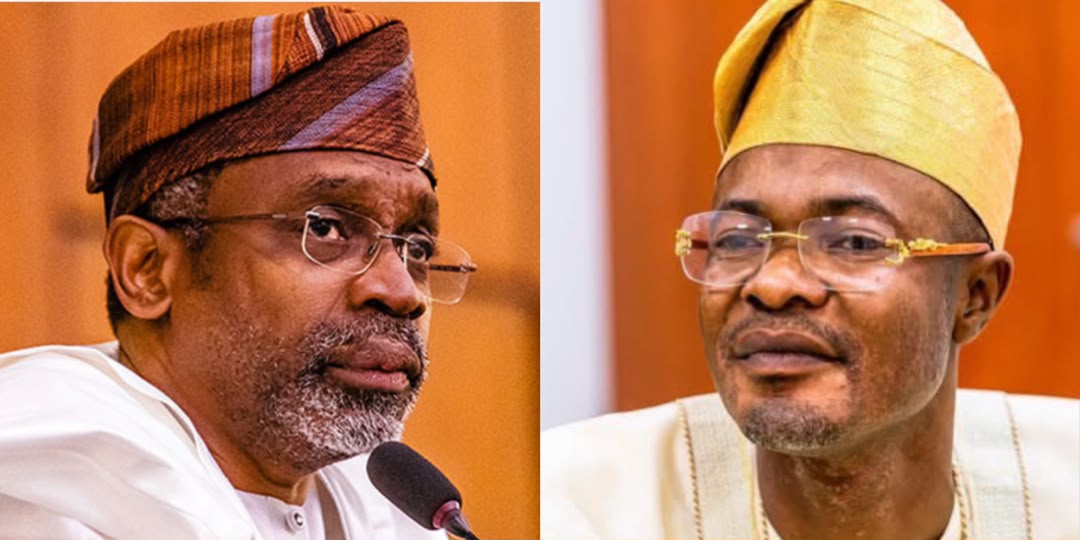
Gbajabiamila back to office after ICPC grilled him over N400 million PFIPC bribery: Lawyer
Mr Adeyemi was arrested shortly after the Abuja Division of the Federal High Court last Tuesday issued a warrant for his arrest.

Heading 2
Kano begins second round of maternal, neonatal tetanus elimination campaign
He said the teams vaccinated 1,339,871 women out of the 1,388,396 targeted.

Abuja
FRSC launches operation ‘Sauka Lafiya’ to curb road crashes in FCT, Niger
FRSC deployed 3,339 personnel, 69 patrol vehicles, 18 ambulances, four tow trucks and 24 motorcycles.

Lagos
Lagos council inducts 156 financial inclusion experts
The chairman urged the inductees to use the digital devices provided to them with integrity.

Heading 1
FCCPC resumes implementation of digital lending regulations
WASPAN had challenged the Commission’s authority to issue and implement the DEON Regulations.
Heading 5
Lagos seeks stronger ties with Turkey to boost investment opportunities
Mr Hamzat described the longstanding relationship between Lagos and Turkish firms as productive.


