

11 regulatory factors every Nigerian trader should check before opening broker account

In recent years, more Nigerians have turned to global financial markets in search of new opportunities. With access to mobile devices and improved internet connectivity, opening a trading account has never been easier. Yet while the opportunities are real, so are the risks. Choosing a broker without proper checks can lead to losses, scams, or frozen accounts.
This is why understanding how forex brokers are regulated is essential. Nigerian traders who take time to review important regulatory factors reduce the chance of falling into avoidable problems. Below are eleven key considerations to examine before depositing funds.
A legitimate broker should hold licenses from recognisedfinancial authorities. Nigerian traders should confirm whether the broker is registered with reputable regulators abroad and permitted to offer services in Nigeria. Verifying licensing ensures that the broker is accountable to legal standards.
2. Segregation of Client Funds
One important protection is the separation of client deposits from company operating funds. If a broker mixes the two, there is a higher risk of mismanagement. Segregated accounts safeguard traders in case the broker faces financial difficulties.
Regulators often require brokers to maintain a certain level of capital. This acts as a financial cushion, ensuring the broker can meet obligations even during volatile periods. Checking this factor is important in economies where market swings can be unpredictable.
4. Negative Balance Protection
A responsible broker should have measures to prevent traders from owing money beyond their deposits. Negative balance protection ensures that if the market moves sharply against a trader, losses are limited to the funds in the account.
Nigerian traders should look closely at spreads, commissions, and hidden charges. Regulators often require brokers to publish their fee structures clearly. Transparency in costs helps avoid unpleasant surprises and allows traders to calculate potential profits accurately.
6. Clear Dispute Resolution Process
Even with reliable brokers, disagreements can arise. Regulators often demand that brokers outline how disputes will be handled. Whether through mediation, arbitration, or regulatory intervention, a clear process gives traders peace of mind.
7. Strong Data Protection Policies
With the rise of digital fraud in Nigeria, safeguarding personal data is critical. Regulated brokers are required to follow strict data protection rules, ensuring that traders’ financial information remains confidential and secure.
8. Regular Audits and Reporting
A trustworthy broker submits to regular audits conducted by external firms or regulators. These audits confirm that financial practices are transparent and honest. Nigerian traders should always favour brokers who publish or make available independent audit results.
9. Investor Compensation Schemes
Some regulators require brokers to participate in compensation funds. These funds protect clients if the broker becomes insolvent. While not every region has such schemes, traders should check whether their chosen broker provides this additional safeguard.
10. Local Compliance and Taxation Rules
Even when trading with an international broker, Nigerians must be aware of local laws. This includes compliance with the Central Bank of Nigeria’s foreign exchange policies and understanding taxation on profits. Choosing a broker that aligns with local rules avoids future complications.
11. Customer Support and Accessibility
Regulation is not only about paperwork. Traders should also examine whether brokers provide responsive customer support. In Nigeria, where internet disruptions and payment delays sometimes occur, timely assistance can make a big difference. Well-regulated brokers usually have structured systems for handling support queries.
Why These Factors Matter in Nigeria
Nigeria’s trading community is energetic and ambitious, but it is also targeted by unregulated brokers who promise unrealistic returns. These operators often vanish once they have collected deposits. By checking the eleven regulatory factors outlined above, traders protect themselves from falling victim to such schemes.
For example, ensuring that funds are held in segregated accounts or that negative balance protection is available can mean the difference between surviving a volatile trading week and facing severe losses. These safeguards are not luxuries; they are basic requirements for anyone serious about trading.
Building Confidence Through Regulation
When Nigerians choose brokers with solid regulatory backgrounds, they benefit from an added layer of trust. Regulation forces brokers to act responsibly, provide fair pricing, and treat clients ethically. This builds confidence not just for individuals but for the entire trading community.
Moreover, strong regulation encourages long-term participation. Traders who feel protected are more likely to continue investing, learning, and contributing to the financial growth of the country.
Opening a trading account may seem as simple as downloading an app and depositing money, but Nigerian traders should never overlook the regulatory side. By carefully reviewing licensing, fund segregation, fee transparency, dispute resolution, and other essential factors, traders safeguard both their money and their confidence.
These eleven checks provide a practical guide for anyone preparing to enter the markets. They remind us that trading success is not only about strategies and signals but also about choosing the right partner. In the fast-growing world of online trading, Nigerians who take regulation seriously are better positioned to achieve long-term stability and success.

We have recently deactivated our website's comment provider in favour of other channels of distribution and commentary. We encourage you to join the conversation on our stories via our Facebook, Twitter and other social media pages.

More from Peoples Gazette

Agriculture
FG tasks ECOWAS on leveraging financing strategies for agroecology
The federal government has urged stakeholders in the agriculture and finance sectors in the West Africa region to leverage financing strategies to enhance agroecology practices

Politics
Katsina youths pledge to deliver over 2 million votes to Atiku
“Katsina State is Atiku’s political base because it is his second home.”

NationWide
Court grants ex-minister Uche Nnaji permission to travel abroad for treatment
The court fixed October 26 for continuation of the trial.
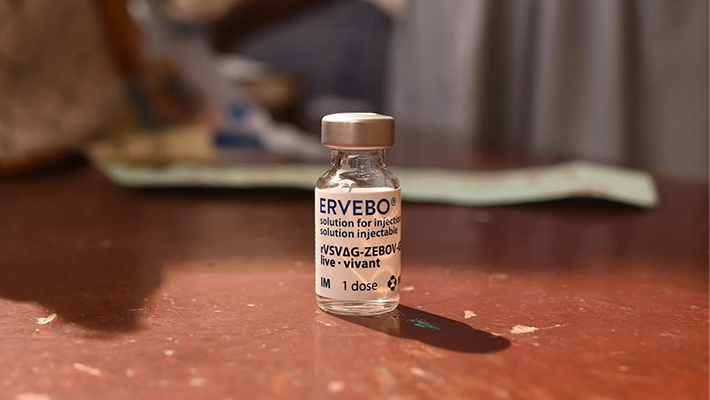
Africa
Ebola vaccine trial begins in DR Congo
The trial is aimed at improving understanding of how effective the vaccine is against the Ebola Bundibugyo virus.

World
Air Force officer charged over call for Trump’s impeachment
Mr Watson could face reprimand, reassignment, demotion, forfeiture of pay, extra duties or restrictions, dishonourable discharge, confinement and loss of benefits.

World
UN chief urges world leaders, citizens to invest in peace
The International Day of Peace is observed globally on September 21.

NationWide
JAMB reviews policy on SIM swap, email change
The new policy takes effect from September 21.

Agriculture
Certified seed could boost Nigeria’s yam productivity, exports, says UI don
Ms Balogun said using quality planting materials was critical to addressing low propagation rates, disease risks, and poor field establishment.


