

141 million Nigerians projected to live in abject poverty in 2026: Report

About 141 million Nigerians have been projected to fall into abject poverty in 2026, as Nigeria’s poverty rate is projected to rise exponentially to 62 per cent this year, PricewaterhouseCoopers’ Nigeria Economic Outlook 2026 report reveals.
According to the report, poverty rate, which stood at 59% in 2024, rose to 61% (139 million people) in 2025 and expected to climb to 62% (141 million) in 2026.
This surge is attributed to persistent food insecurity, high energy costs, and a “consumer dilemma” where spending recovery is stifled by dwindling real income.
The firm estimates that most Nigerians would struggle to record income gains strong enough to offset rising prices in the near term, particularly as inflation continues to erode purchasing power.
“Poverty is projected to rise to 62 per cent (141 million people) by 2026, reflecting weak real income growth and lingering inflation effects,” PwC report noted.
While inflation is expected to ease gradually, the firm warned that the underlying cost structure of the economy would limit meaningful affordability gains for households.
The report noted that consumption patterns among low-income households were worsening the impact of rising prices. Poorer are more vulnerable to the devastating effects of increases in food prices.
PwC stated that high energy costs, logistics expenses and exchange rate pass-through effects would continue to keep the prices of food and essential goods high, even if headline inflation moderates slightly.
PwC cautioned that without targeted interventions such as job creation, productivity improvements, and effective social protection programmes, reducing poverty levels in Nigeria would remain a major challenge.
The PwC report warned that rising poverty levels pose significant risks to Nigeria’s economic stability and growth prospects. A growing share of the population struggling to meet basic needs could weaken domestic consumption, constrain productivity growth and place additional pressure on public finances.
It stated that rising poverty could also weaken domestic consumption, limit productivity growth, and place additional pressure on public finances.

We have recently deactivated our website's comment provider in favour of other channels of distribution and commentary. We encourage you to join the conversation on our stories via our Facebook, Twitter and other social media pages.

More from Peoples Gazette

Agriculture
FG tasks ECOWAS on leveraging financing strategies for agroecology
The federal government has urged stakeholders in the agriculture and finance sectors in the West Africa region to leverage financing strategies to enhance agroecology practices

Politics
Katsina youths pledge to deliver over 2 million votes to Atiku
“Katsina State is Atiku’s political base because it is his second home.”
Politics
SDP presidential candidate unveils blueprint, says four years enough for reforms
Mr Adebayo said the nation’s challenges stemmed directly from past leadership failures, not natural limitations.
Africa
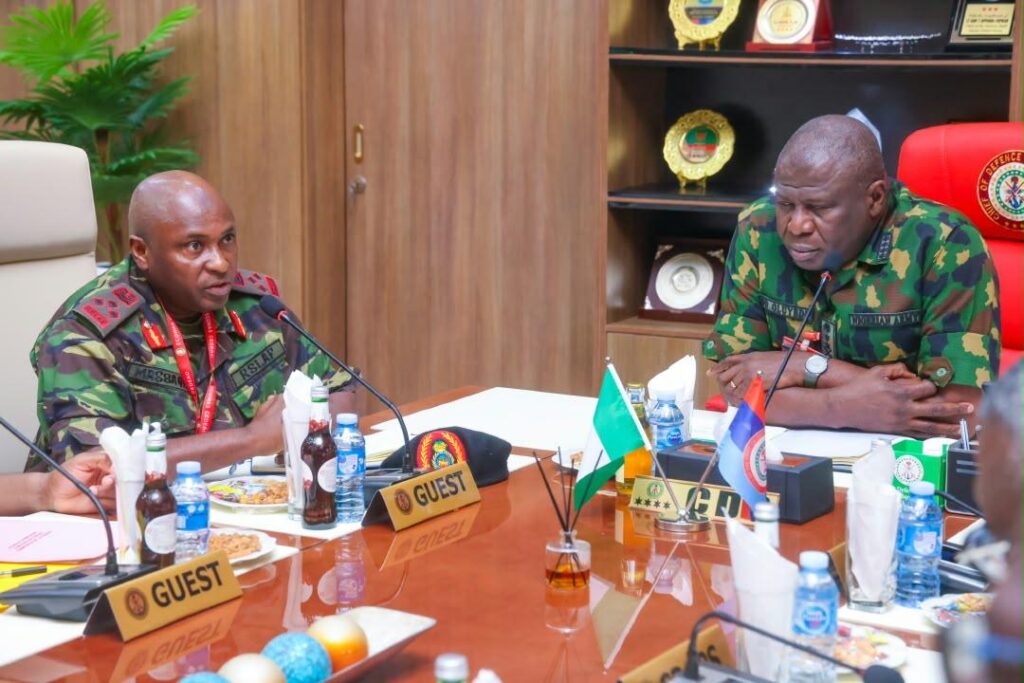
Nigeria reaffirms commitment to ECOWAS standby force
During the meeting, Mr Massaquoi thanked the CDS for receiving the delegation.
States
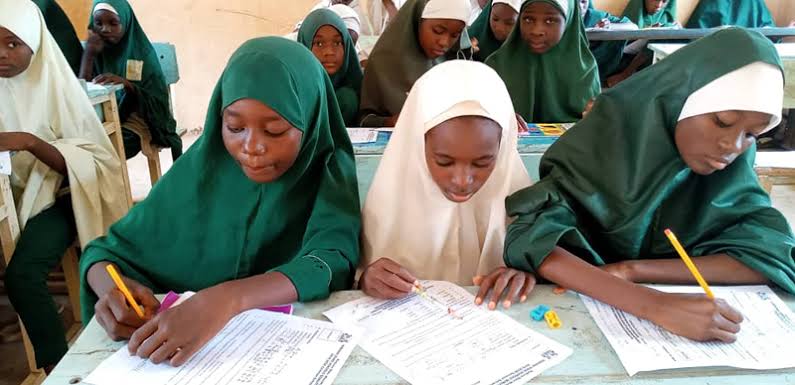
Kano mandates annual license renewal for private schools
The Kano State Private and Voluntary Institutions Board (KSPVIB) mandated annual operating license renewals for private schools.

States
Woman found dead in Calabar hotel: Police
The Cross River State police command commenced an investigation into the circumstances surrounding the death of a yet-to-be-identified female guest at a hotel in Calabar.
States
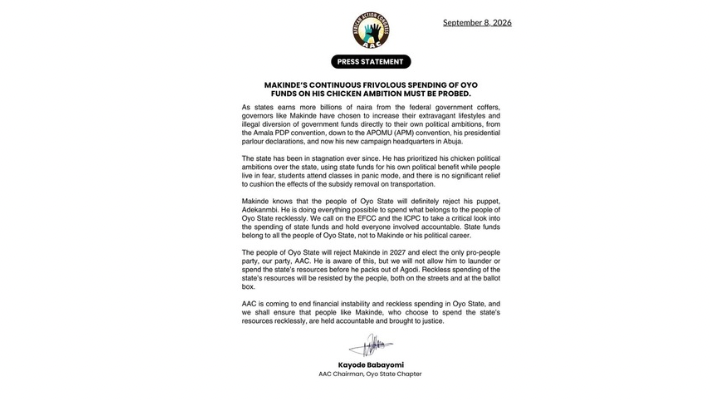
AAC accuses Gov. Makinde of wasting Oyo resources on his presidential ambition
Mr Babayomi noted that his party would end financial instability and reckless spending in the state.

Heading 4
Obi’s allegation of thug attack in Benue politically motivated, says Gov Alia
He described Mr Obi’s allegation as a desperate attempt to drag the governor and the Benue government into what could be an internal political matter within the NDC.


