

Respondents from 101 countries opposed undemocratic world order, backed citizen-elected world parliament: Report

A global survey across 101 countries reveals that a global majority supports a citizen-elected world parliament to handle global issues, as opposed to the centuries-long undemocratic world order.
The survey, commissioned by Democracy Without Borders, was conducted across 101 countries representing 90% of the world’s population, and finds that 40% of respondents support the proposal for a democraticised world order, while only 27% opposed it. The survey had 117,000 respondents, nationally representative by age and gender; making it the largest poll ever conducted on the subject.
“As democracy faces pressure around the world and confidence in international law drops, a new global survey reveals that citizens in a vast majority of countries support the idea of creating a citizen-elected world parliament to deal with global issues,” a statement on the organisation’s website says.
It notes that support is strongest in countries of the Global South, especially Sub-Saharan Africa, and among groups often underrepresented in national political systems— young people, ethnic minorities, and those with lower income or education levels. The report says in 85 out of 101 countries surveyed, more respondents support the idea than oppose it.
“The message is clear: people around the world are ready to expand democratic representation to the global scale,” said Andreas Bummel, Executive Director of Democracy Without Borders. “This survey shows there is a growing global constituency that wants a voice in decisions affecting humanity as a whole,” he added.
The findings come at a time when the international system is under increasing strain from climate change, wars, geopolitical conflicts, authoritarian resurgence, and stalled global cooperation. The results suggest that most individuals, especially citizens in less powerful countries see a world parliament as a pathway to a fairer and more effective global governance.
In countries with limited political freedoms, support for a world parliament is particularly high. According to Democracy Without Borders, this points to a public perception that global democratic institutions could help advance democracy at home as well.
However, a notable 33% of respondents globally selected a neutral stance, suggesting unfamiliarity with the concept. An analysis of the survey results argues that this indicates a wide-open space for public engagement, noting that if the idea gains visibility, support could grow substantially.
“The international system created in the last century to prevent war and mass violence is built on the United Nations. But many UN member states do not represent their people. They represent oppressive authoritarian elites who have seized power. The proposed vision of a citizen-elected world parliament could be a vital step in the discussion about building a more democratic global order,” said Oleksandra Matviichuk, head of the Centre for Civil Liberties in Ukraine awarded with the Nobel Peace Prize.
According to the survey, net opposition found in individual countries is most concentrated in high-income democracies. “This is not a rejection of democracy. It is a reminder that privilege may breed complacency, and that those who benefit from existing arrangements may underestimate how urgently they need renewal,” commented George Papandreou, Greek Member of Parliament and former Prime Minister.
Sub-Saharan Africa showed the highest support, as there was net positive in all countries. In 10 of 15 countries, support was around or above 50%, led by Mozambique, Ivory Coast, Senegal, and Nigeria.
However, Europe had the highest number of countries with net opposition—10 out of 27—led by Austria, the UK, and Denmark. But often, the neutral share was higher than opposition. Strongest support was found in Türkiye, Ukraine, and Italy.
In the Americas, support outweighed opposition in nearly all countries. The United States of America showed one of the lowest support levels globally but there, too, the neutral share was larger than opposition. Strongest support was found in Cuba and Venezuela.
Meanwhile, Asia-Pacific and Middle East/North Africa regions had only few exceptions show supportive attitudes, especially in Pakistan, Bangladesh, Taiwan, Lebanon, Palestine, and Egypt.
Democracy Without Borders, an international civil society organization, advocates for the establishment of a United Nations Parliamentary Assembly as a step toward a democratic world parliament. The organization says the survey results reinforce the urgency for democratic governments to consider this long-standing proposal.
The organisation demands the creation of a United Nations Parliamentary Assembly (UNPA), which it considers as a first practical step towards the vision of a citizen-elected world parliament.

We have recently deactivated our website's comment provider in favour of other channels of distribution and commentary. We encourage you to join the conversation on our stories via our Facebook, Twitter and other social media pages.

More from Peoples Gazette

Agriculture
FG tasks ECOWAS on leveraging financing strategies for agroecology
The federal government has urged stakeholders in the agriculture and finance sectors in the West Africa region to leverage financing strategies to enhance agroecology practices

Politics
Katsina youths pledge to deliver over 2 million votes to Atiku
“Katsina State is Atiku’s political base because it is his second home.”
World
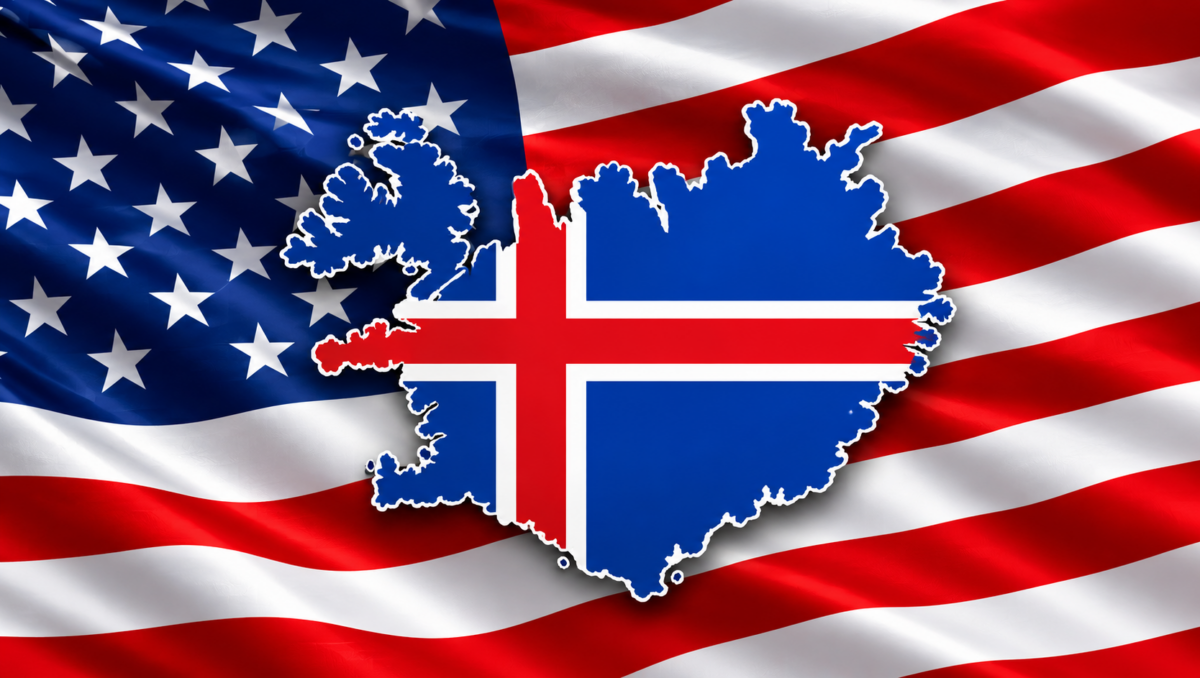
Iceland condemns Trump map showing country under U.S. flag
Ms Frostadottir said the image’s message was “absurd” and described it as an insult to Icelanders, Canadians and Greenlanders.
Economy
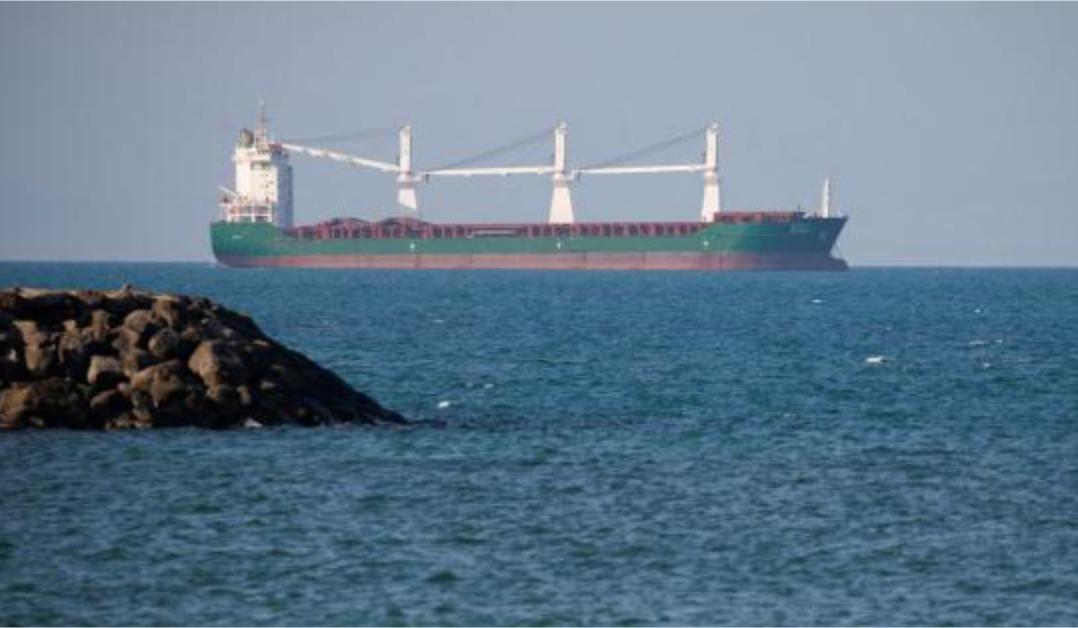
Expert seeks stronger action on maritime policies, governance
Ms Edodo-Emore said the security of local and international waterways remained crucial to the seamless movement of cargo and the expansion of trade.

States
FRSC records 25% reduction in Osun road crashes
The Gbongan unit command of the FRSC in Osun State reported a 25 per cent reduction in road crashes between January and August.
Economy
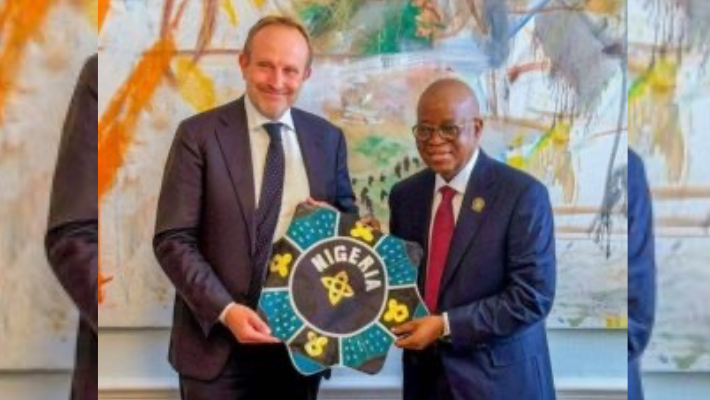
APM Terminals signs MoU to develop Badagry deep seaport
Mr Clerc said the proposed Badagry project would provide additional deep-water capacity for larger container vessels and create new transhipment opportunities for Nigeria.
States
CLEEN foundation seeks improved gender-responsive policies in Kaduna
Mr Maduoma said the dialogue was designed as a policy-to-practice platform rather than a conventional awareness-raising meeting.
Economy
Tinubu urges banks to translate capital into productive investment, employment
The president said that the government would continue to create space for more private sector credit.


