


Russian scientists develop method for early detection of crop diseases
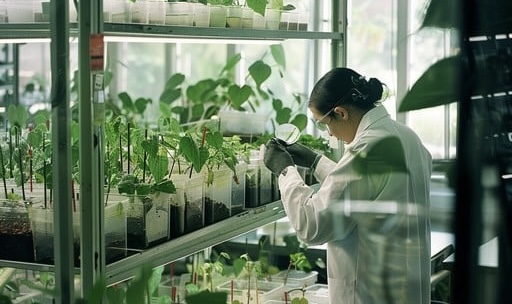
Russian researchers reported that they have developed an AI-powered method to detect crop diseases before symptoms appear.
The researchers are from the Peter the Great St. Petersburg Polytechnic University, in collaboration with specialists from the All-Russian Institute of Plant Protection.
The researchers said the approach is based on hyperspectral imaging data processed using artificial intelligence, enabling the identification of physiological changes in crops before visible signs of infection emerge.
The official website of the Ministry of Science and Higher Education of the Russian Federation said the technology could underpin the creation of satellite and unmanned aerial monitoring systems designed to protect harvests through preventive intervention.
According to the source, existing remote sensing methods often fail to provide sufficiently comprehensive data for reliable disease assessment under real agricultural conditions.
The St. Petersburg team addressed this limitation by focusing on the controlled acquisition and rigorous pre-processing of primary visual data collected directly from crop environments.
Their methodology ensured stable analysis regardless of uneven lighting, overlapping plant structures, environmental humidity, background interference, or daily fluctuations in field conditions.
The researchers demonstrated the effectiveness of the system by detecting wheat stem rust, a destructive fungal disease that affects stems and leaves.
Wheat remained one of the world’s most important cereal crops, yet many varieties are highly vulnerable to stem rust, which could cause severe yield losses.
During the study, scientists analysed 864 hyperspectral images of wheat plants grown under near-field laboratory conditions, including both healthy and infected specimens.
According to the research team, the key factor behind the method’s effectiveness was not the complexity of the AI models but the careful calibration and pre-processing of spectral data.
This ensures that machine learning algorithms can reliably distinguish healthy from diseased plants, even in the presence of significant noise and interference.
Particular emphasis was placed on the interpretability of AI decisions to reduce the risk of analytical errors.
(TV BRICS/NAN)

We have recently deactivated our website's comment provider in favour of other channels of distribution and commentary. We encourage you to join the conversation on our stories via our Facebook, Twitter and other social media pages.

More from Peoples Gazette

Agriculture
FG tasks ECOWAS on leveraging financing strategies for agroecology
The federal government has urged stakeholders in the agriculture and finance sectors in the West Africa region to leverage financing strategies to enhance agroecology practices

Politics
Katsina youths pledge to deliver over 2 million votes to Atiku
“Katsina State is Atiku’s political base because it is his second home.”

NationWide
Borders neighbouring Nigeria are open except those causing insecurity, interior minister counters Atiku
Mr Abubakar, on Thursday, vowed to reopen Nigerian borders for legal cross-border trade.

Rights
NHRC urges Borno lawmakers to integrate human rights in legislation
Mr Ojukwu said HRIA would enable lawmakers to identify potential risks.

States
Ekiti police nab six over alleged cultism, ritual activities
Mr Sunday said a locally made firearm, an axe, and suspected criminal charms were recovered from the suspects.
NationWide
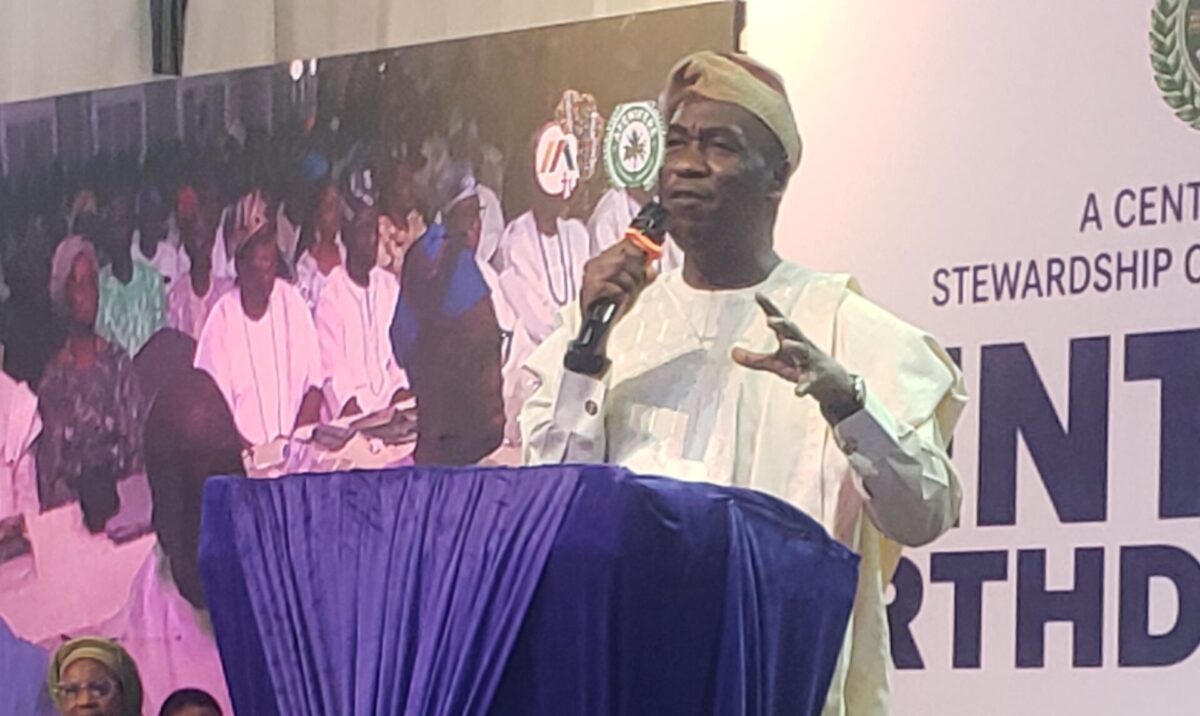
Obafemi Hamzat rules out Nigeria’s return to regional governance
The Lagos deputy governor said, “Constitutionally, it will be difficult.”
Lagos
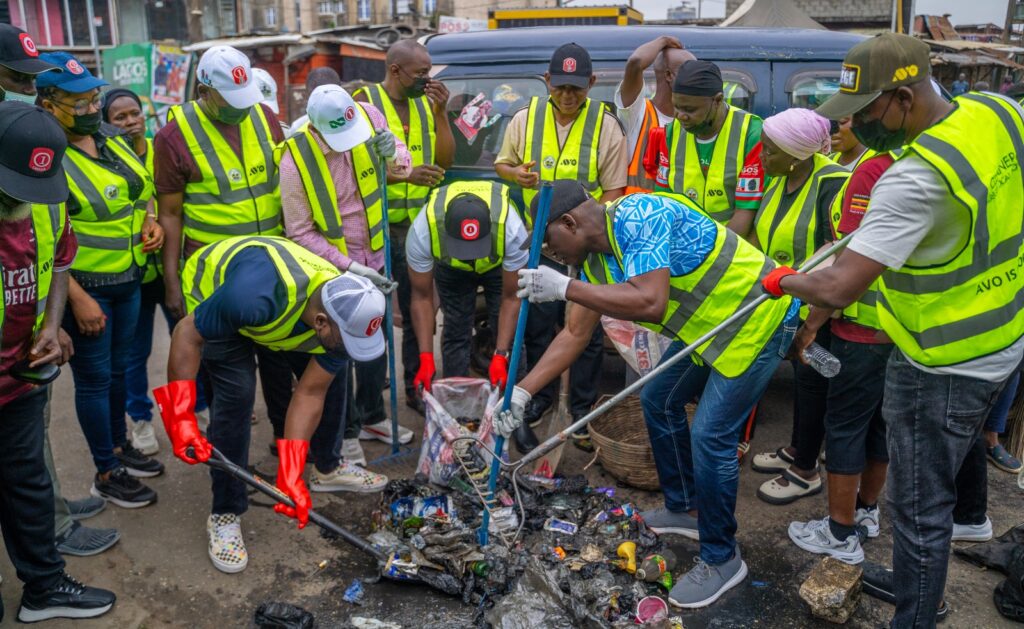
Lagos councils intensify sanitation, arrest man for illegal refuse dumping
Mr Azeez urged residents and traders to dispose of their waste responsibly.

Heading 1
Shettima leaves Abuja for Angola for AU summit
Mr Shettima is expected to return to Nigeria at the conclusion of his engagements in Angola.


