


Namibia eyes salmon farming to boost high-value exports
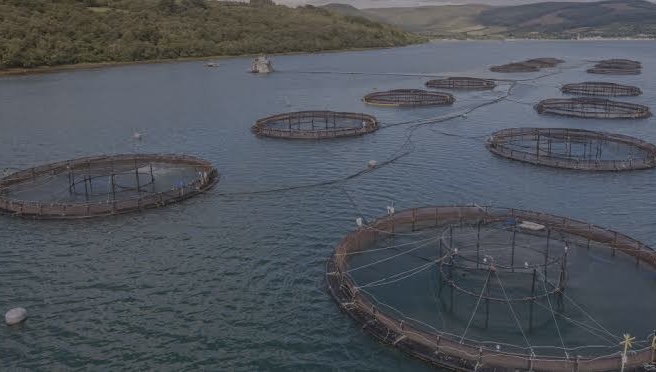
Namibia is positioning salmon farming as a key pillar of industrialisation and sustainable blue economy growth, Deputy Minister of Agriculture, Fisheries, Water and Land Reform Ruthy Masake said on Tuesday.
Speaking at a conference titled “Unlocking Namibia’s Salmon Industry: An Opportunity for Industrialisation,” Ms Masake said the country aims to diversify beyond traditional wild-catch fisheries by developing high-value aquaculture and agro-processing industries.
“Unlocking the potential of Namibia’s salmon industry presents a real opportunity for economic transformation through value chain development,” she said.
Ms Masake noted that establishing a domestic salmon value chain could attract foreign direct investment, generate skilled and semi-skilled employment, strengthen cold-chain logistics and agro-processing infrastructure, and expand export earnings.
Salmon is among the world’s most traded and consumed fish species, commanding premium prices in markets across Europe, Asia and North America.
Ms Masake said Namibia’s cold Benguela Current system, along with its stable governance and investor-friendly environment, provides favourable conditions for salmon aquaculture.
She added that the sector could stimulate related industries, including feed production, packaging, logistics, research and technological innovation, contributing to the development of a broader industrial ecosystem.
As climate change and overfishing put increasing pressure on wild fish stocks, aquaculture is widely viewed as a sustainable solution to meet rising global seafood demand.
Ms Masake said industrial salmon farming would allow for controlled production, improved biosecurity and more predictable output.
For Namibia, this could help reduce reliance on fluctuating wild catches, enhance domestic protein supply and build more climate-resilient food systems.
However, she emphasised that the development of the salmon industry must adhere to responsible environmental management practices and international standards on water quality, waste management and biodiversity protection.
Ms Masake also called for strong public-private partnerships, clear regulatory frameworks, and sustained investment in research and skills development.
She stressed the importance of inclusive policies that ensured women and youth played central roles in the growth of the emerging industry.
(Xinhua/NAN)

We have recently deactivated our website's comment provider in favour of other channels of distribution and commentary. We encourage you to join the conversation on our stories via our Facebook, Twitter and other social media pages.

More from Peoples Gazette

Agriculture
FG tasks ECOWAS on leveraging financing strategies for agroecology
The federal government has urged stakeholders in the agriculture and finance sectors in the West Africa region to leverage financing strategies to enhance agroecology practices

Politics
Katsina youths pledge to deliver over 2 million votes to Atiku
“Katsina State is Atiku’s political base because it is his second home.”

Education
U.S. education department posts, deletes video linking Trump to Hitler
X users called attention to the post, questioning whether the education department knew the post was comparing Mr Trump to Mr Hitler.

States
NSCDC assures of adequate security during Anambra LG poll
Mr Maku said the command had put in place comprehensive security arrangements and strategically deployed personnel across all local government areas.

Heading 1
Kaduna institute will end Nigeria’s reliance on imported skilled labour: Minister
Mr Bugaje argued that industries have no excuse to recruit skilled manpower from outside the country.

Heading 2
Troops dispose of IED planted by terrorists in Zamfara
Mr Danja explained that following the operation, troops sustained aggressive patrols in the general area to deny terrorists freedom of action.

NationWide
Working mothers cautioned against lifestyle competition, living beyond their means
Ms Dally said many families were falling into financial difficulties by trying to match the lifestyles.

Economy
NGX Group hails Nigeria’s return to frontier market status
The NGX Group described the development as significant progress in capital market growth.


