

As diabetes becomes death sentence, Nigeria must stand up to sugar-sweetened beverages
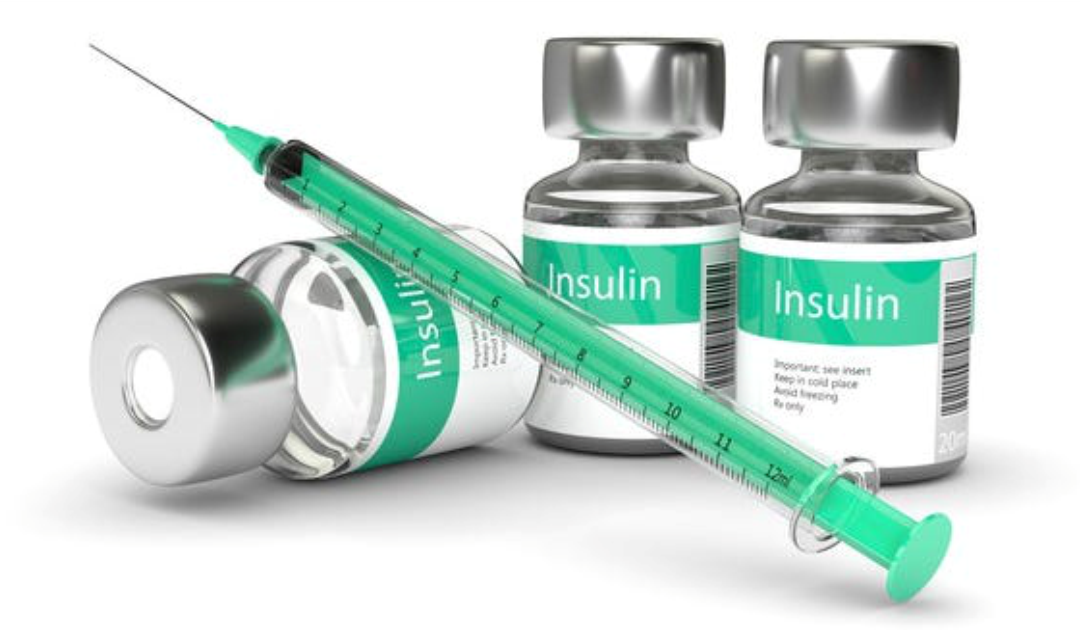
On a routine morning jog as a National Youth Service Corp instructor in 2008, I experienced an overwhelming feeling of fatigue. We had only jogged a few hundred metres, so it was rather unusual. Convinced that I would faint, I told the Corp members to keep going while I staggered back to the camp clinic.
The doctors prescribed malaria drugs, which offered temporary relief. Soon after, I noticed changes in my body – the more water I drank, the thirstier I got. I suffered excessive hunger pangs, intense body weakness and constipation.
After a series of tests at a general hospital, I was diagnosed with type 2 diabetes. I was 40 at the time, and this was the prime of my life. A few years later, I would end up losing my job as a result of frequent hospitalisations.
Before my diagnosis, I had little knowledge of diabetes. I was a lively young person who was not bothered about my choices. I consumed alcohol and sugar-sweetened drinks and was largely unaware of the consequences.
Today, I am dependent on daily medication that is unaffordable, and my sexual drive is nonexistent. I constantly battle with depression from knowing that the disease has no cure for now.
In Nigeria today, most sugar-sweetened products, such as soft drinks, contribute to this burden of diabetes. Yet, these products are affordable and easily accessible to children. Diabetes is a crushing disease. People with diabetes suffer complications that end in amputated limbs, vision loss, kidney disease and excruciating death. Many of the 6 million Nigerians living with diabetes could suffer this fate.
Treating diabetes is unaffordable for the ordinary person. Depending on how severe my condition gets, I spend between N75,000 and 150,000 every month to manage the disease. I have had to sacrifice my children’s school fees to pay hospital bills and procure drugs, test strips, and other consumables a few times. We are essentially impoverished as a result of living with diabetes.
Besides the diminished quality of life among people with diabetes, the reduced productivity in this population has a catastrophic effect on the economy. Nigeria loses $4.5 billion as a result of this disease. Yet the most significant contributors to this disease – large sugar-sweetened product manufacturers such as Coca-cola – pay no excise taxes to the Nigerian government.
Despite the devastating damage to public health, these companies undermine the country’s economy through revenue and productivity loss and capital flight from treatment costs without any pushback from the Nigerian government.
Several countries worldwide, including South Africa, Mexico and India, have introduced taxes on sugar-sweetened beverages to protect public health and boost revenue for the prevention and treatment of non-communicable diseases such as diabetes. Nigeria needs such a tax.
On the bright side, Nigeria’s national assembly has called on the health ministry to order soft drinks manufacturers to add front-of-package warning labels on their products. While this is a good step forward, there is more to do since prevention is generally more cost-effective than treatment.
It is time to introduce excise duty on companies that produce sugar-sweetened beverages. A sugar-sweetened beverage tax will prevent diabetes and provide financial resources for national diabetes prevention, management, and care response.
Also, the government must ensure that beverage companies label their products with the exact quantity of sugar they contain and the associated health risks. This type of information will guide consumers’ choices.
Today there is limited investment in diabetes care and treatment by the Nigerian government. It remains why putting policies that prevent citizens from suffering this disease is a more common-sense option. If we might end up dying from this disease, the least we can do is stop people from suffering this fate. The ball is in the court of Nigeria’s policymakers.
Comrade Bernard Enyia is the National Secretary of the General Diabetes Association of Nigeria.

We have recently deactivated our website's comment provider in favour of other channels of distribution and commentary. We encourage you to join the conversation on our stories via our Facebook, Twitter and other social media pages.

More from Peoples Gazette

States
Independence: NBA urges Nigerians to expect better future
The NBA said that ordinary Nigerians should be deriving benefit from the subsidy removal rather than hardship.

Agriculture
FG tasks ECOWAS on leveraging financing strategies for agroecology
The federal government has urged stakeholders in the agriculture and finance sectors in the West Africa region to leverage financing strategies to enhance agroecology practices

Politics
Katsina youths pledge to deliver over 2 million votes to Atiku
“Katsina State is Atiku’s political base because it is his second home.”

Abuja
Abuja business owners, residents express frustration over power outage
An AEDC official said the outage was due to a technical fault on the 330KV Shiroro-Katampe transmission line belonging to the TCN.

States
Matawalle donates car, 10 motorcycles to APC support groups in Zamfara
The Minister of State for Defence, Bello Matawalle, has donated a car and 10 motorcycles to the All Progressives Congress (APC) support groups led by Salisu Dawa to support APC campaigns in Zamfara

Lagos
670 road crash victims rescued in nine months in Lagos: LASTMA
Mr Bakare-Oki said LASTMA operatives were routinely deployed to crash scenes to assess situations, rescue victims, and divert traffic.

Sport
FIFA urged to introduce Over-40 World Cup
Ogbuenyi said the tournament would be financially viable for FIFA, given the potential involvement of legendary players with global followings.
States
Rice price drop brings relief to some Lagos consumers, hikes hit others
Traders and consumers, who spoke to journalists in separate interviews on Sunday in Lagos, reported mixed price movements across markets.

Economy
Nigeria needs $7.1 billion investment for sugar self-sufficiency, says council
Mr Bakrin said the investment would support existing sugar estates.


