


Operation Safe Corridor formed to block terrorist recruitment pipelines: Coordinator

Operation Safe Corridor (OPSC) is strategically designed to shrink the recruitment pipelines of terrorist groups and bandit networks by encouraging voluntary surrender and rehabilitation.
The coordinator of OPSC, Yusuf Ali, said this on Tuesday in Abuja during the Defence Headquarters’ media briefing on ongoing military operations.
He explained that OPSC was not a physical location but an idea conceptualised around 2015–2016 at the peak of insurgency in the North-East.
According to him, the initiative was introduced to address the challenge of handling individuals classified as “low-risk” who voluntarily surrendered during military operations.
“Operation Safe Corridor is not a geographical entity; it is an idea.
“It was created at a time when many individuals, mostly conscripted or forced into terrorist groups, began surrendering as troops intensified operations and reclaimed occupied communities,” he said.
Mr Ali said many of the individuals were forcefully recruited when insurgents occupied communities such as Madagali and other population centres, where able-bodied men were conscripted or abducted.
He said others were ambushed while travelling and forced to work for insurgents in various capacities.
“As operations intensified, many of them seized the opportunity to escape and surrender.
“The question then was: what do we do with them? That led to the establishment of Operation Safe Corridor,” he said.
The coordinator said the classification of surrendered individuals into low, medium and high-risk categories was carried out through a multi-agency screening process.
He said over 17 ministries, departments and agencies (MDAs), including the Ministry of Justice, were involved in the process, along with international partners.
“The Ministry of Justice is responsible for screening and determining those with no case to answer.
“Those considered victims of circumstances are classified as low-risk and handed over to Operation Safe Corridor,” he said.
Mr Ali said individuals classified as high-risk, including core fighters captured during operations, were prosecuted under the criminal justice system.
He added that the programme operated alongside the criminal justice system, which continued to prosecute and imprison convicted terrorists.
“There are two systems at play: the criminal justice system and transitional justice.
“Those found guilty are tried and sentenced, while Operation Safe Corridor handles those without criminal liability,” he explained.
He said participants in the programme undergo deradicalisation, rehabilitation and reintegration processes, including psychosocial support and vocational training.
According to him, agencies such as the Nigerian Correctional Service handle deradicalisation, while the National Directorate of Employment provides skills acquisition training.
He added that the National Drug Law Enforcement Agency (NDLEA) also supports the programme by addressing substance abuse issues among participants.
“At the end of the programme, they are equipped with skills such as tailoring, welding and other trades to enable them to become productive members of society,” he said.
Mr Ali stated that Operation Safe Corridor was neither a recruitment channel into the Armed Forces nor a reward system for criminality.
He said, “Operation Safe Corridor is not a place to recruit people into the Nigerian Army. The Armed Forces have their own recruitment procedures.
“It is also not a system that rewards criminality. Those found guilty are prosecuted and serving sentences.”
He said the programme complemented ongoing military operations by addressing the root causes of insurgency and promoting community reintegration and peace-building.
Mr Ali added that frequently asked questions on the programme had been documented to address public misconceptions and would be shared with stakeholders.
He urged Nigerians to support the initiative, noting that it remained a critical component of the country’s counter-terrorism strategy.
(NAN)

We have recently deactivated our website's comment provider in favour of other channels of distribution and commentary. We encourage you to join the conversation on our stories via our Facebook, Twitter and other social media pages.

More from Peoples Gazette

Agriculture
FG tasks ECOWAS on leveraging financing strategies for agroecology
The federal government has urged stakeholders in the agriculture and finance sectors in the West Africa region to leverage financing strategies to enhance agroecology practices

Politics
Katsina youths pledge to deliver over 2 million votes to Atiku
“Katsina State is Atiku’s political base because it is his second home.”
Politics
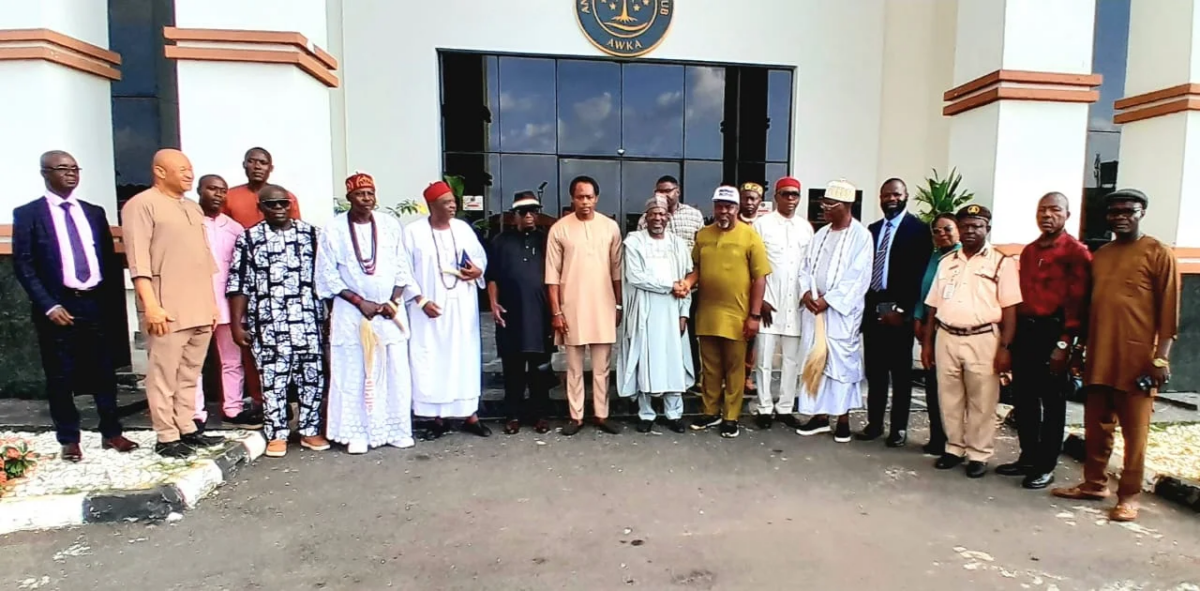
Abia, Anambra seek peaceful principles in boundary conflict resolutions
The governments of Anambra and Abia have vowed to apply principles of peaceful resolution to address the lingering interstate boundary disputes between them.
Abuja
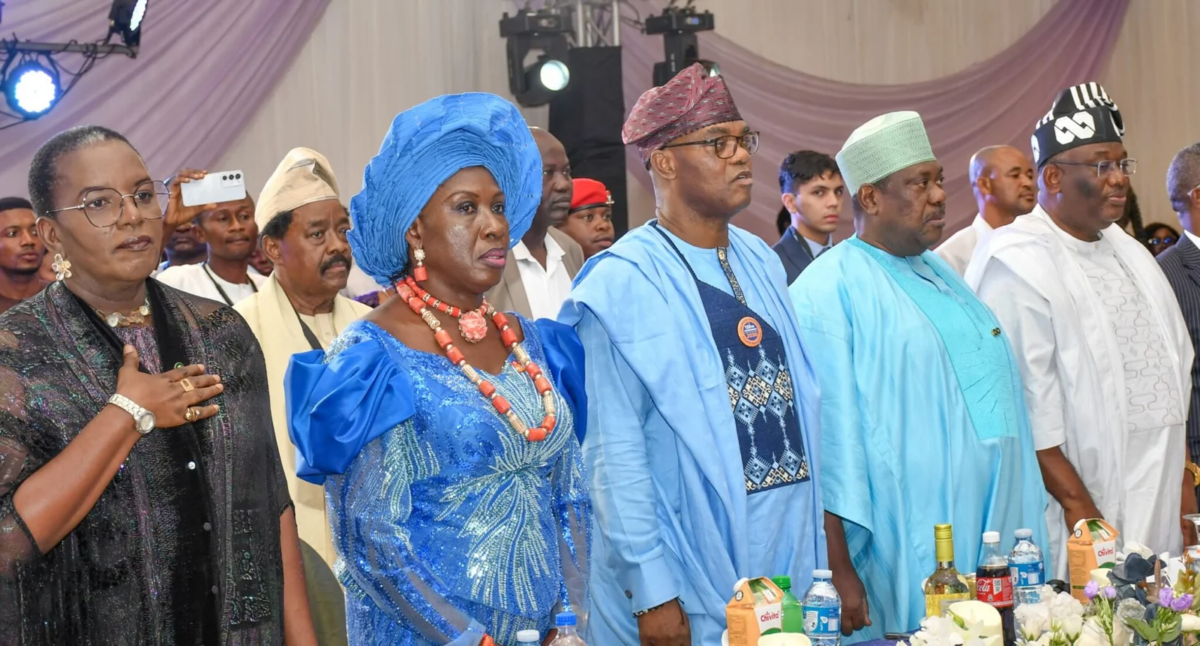
Tinubu seeks stronger partnership with Rotary
Mr Tinubu has called for stronger collaboration between the Nigerian government and Rotary International in healthcare, education, youth empowerment and community development.
Port Harcourt
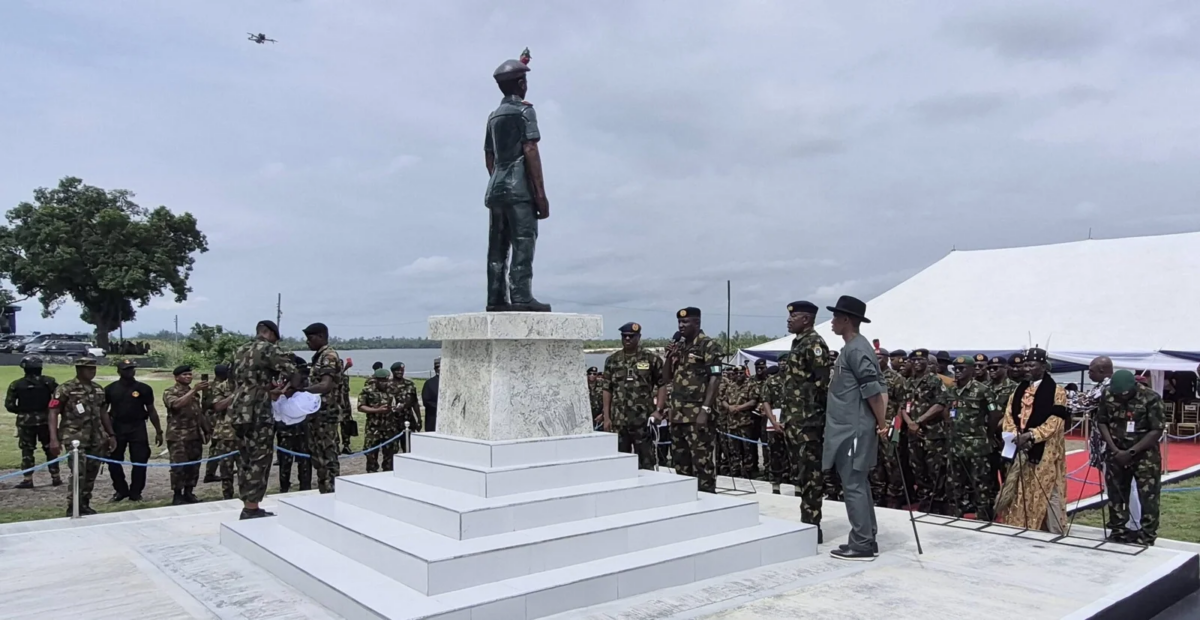
Army honours 11 cadets killed in training accident
Army chief Waidi Shaibu, on Sunday, unveiled a cenotaph in honour of 11 Nigerian Defence Academy naval cadets who died in a boat accident during training in 1990.

Economy
Coastal state governors urged to adopt AU fisheries framework
Coastal state governors have been urged to domesticate the African Union Policy Framework and Reform Strategy for Fisheries and Aquaculture.
States
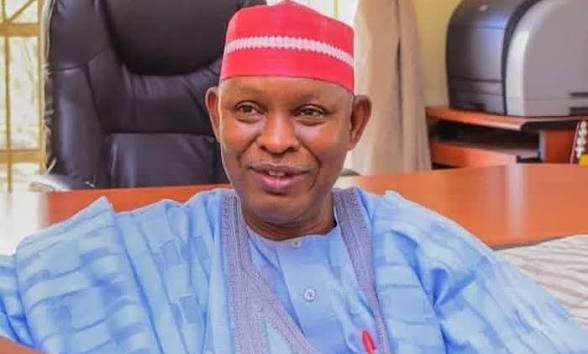
Kano: Gov Yusuf spends N928 billion on community development projects
The Kano government says it has spent over N928 billion on the execution of 1,508 community development projects in the last three years of Governor Abba Yusuf’s administration.

Hot news Home top
2026 World Cup: Haaland’s Norway neutralise Neymar’s Brazil to reach quarter-final
A late Neymar penalty, in the tenth minute of stoppage time, could not save Brazil from exiting the tournament.


