

NILDS DG urges federalism to strengthen state autonomy
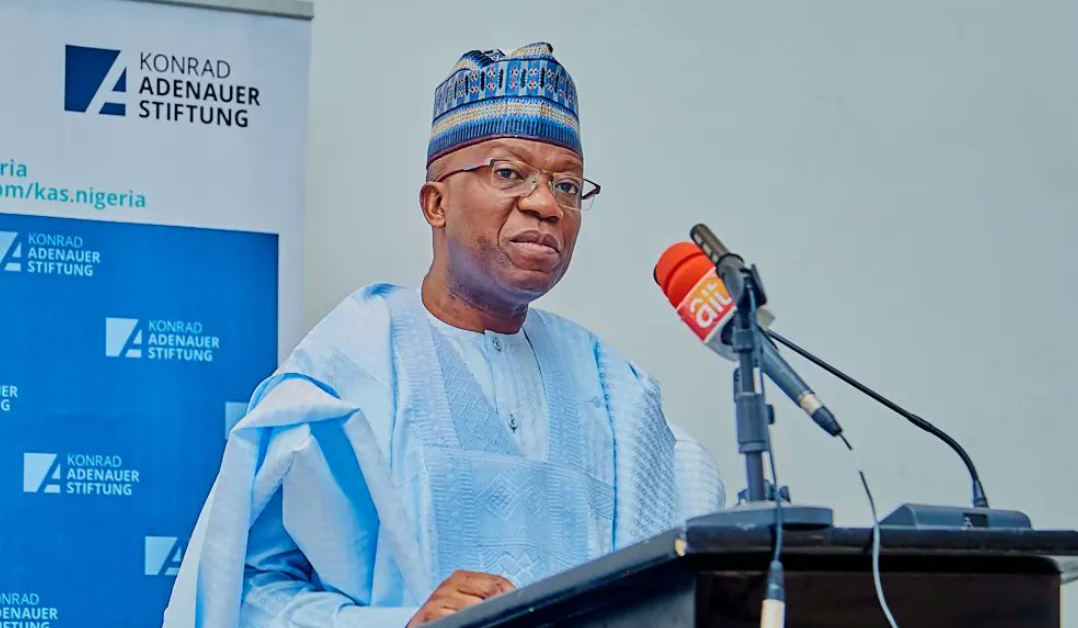
The Director-General of the National Institute for Legislative and Democratic Studies (NILDS), Abubakar Sulaiman, has called for fiscal federalism to empower states to harness their resources responsibly.
Mr Sulaiman made the call during the institute’s fourth public lecture series held on Wednesday at NILDS headquarters, Abuja.
The theme of the lecture series was “Nigerian Federalism and the Paradox of Inclusion: Evaluating Federal Character and the Crisis of National Identity.”
He noted that true federalism in Nigeria demanded more than the mere distribution of offices, adding that it required devolution of powers that reduced the concentration of authority at the centre.
He stressed that true federalism required a renewed social contract, anchored on justice, fairness, and shared prosperity.
He noted that Nigeria’s federal system emerged from the need to manage diversity, evolving through constitutions and reforms aimed at balancing unity with complex national differences.
He questioned whether decades of federal practice achieved genuine inclusion or instead deepened divisions, creating a persistent paradox that challenges national cohesion and identity.
Mr Suleiman said, “Central to this debate is the federal character principle, mandated to ensure fair representation in institutions and prevent dominance by any ethnic or regional group.
“Its noble objective, as articulated by the framers, was to promote national unity, foster a sense of belonging among all citizens and prevent the domination of any group by another. On the surface, the principle has recorded modest successes.
“It has, in many respects, served as a safety valve against the kind of ethnic exclusivism that contributed to the crises of the First Republic and the tragic civil war of 1967. Yet, herein lies the paradox: what was intended as an instrument of inclusion has, in practice, often produced outcomes that undermine both efficiency and national cohesion. “
However, he warned that rigid quota applications that sideline merit foster perceptions of mediocrity, weaken institutional efficiency and deepen ethnic identities and national fragmentation.
Mr Sulaiman linked identity crises to ethnic nationalism and restructuring demands, arguing that federal mechanisms unintentionally reinforced divisions rather than cultivating a shared Nigerian identity.
The DG called for reforms that prioritised fiscal federalism, devolution of powers and a renewed social contract grounded in justice, fairness and collective prosperity.
In his opening speech, he reaffirmed the institute’s commitment to supporting lawmakers with research and policy options that would help promote fiscal federalism.
In his lecture, Iro Uke stated that Nigeria’s federal arrangement was adopted as a panacea for its complex and heterogeneous makeup.
Speaking on the theme of the lecture, Mr Uke noted that though Nigeria was formally operating the federal system since independence in 1960, its practice had been inconsistent.
“Military interventions introduced a centralised, quasi-unitary system, even though the federal structure was retained in theory.
“Since the return to civil rule in 1999, Nigeria has remained constitutionally federal, but these practical distortions have persisted,“ Mr Uke said.
To improve inclusivity in Nigeria, Mr Uke urged members of the National Assembly to review and strengthen the legal framework guiding the federal character principle to ensure fairness, transparency and equity in representation.
(NAN)

We have recently deactivated our website's comment provider in favour of other channels of distribution and commentary. We encourage you to join the conversation on our stories via our Facebook, Twitter and other social media pages.

More from Peoples Gazette

Agriculture
FG tasks ECOWAS on leveraging financing strategies for agroecology
The federal government has urged stakeholders in the agriculture and finance sectors in the West Africa region to leverage financing strategies to enhance agroecology practices

Politics
Katsina youths pledge to deliver over 2 million votes to Atiku
“Katsina State is Atiku’s political base because it is his second home.”

States
Gov. Eno restates commitment to Akwa Ibom corps members’ welfare
Mr Nafiu urged employers to provide corps members with quality mentorship and conducive workplaces that promote productivity and personal growth.
Anti-Corruption
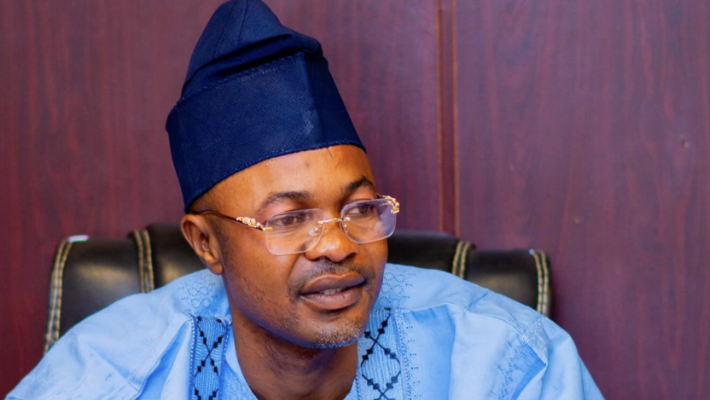
Alleged Fake Agency: Police arrest PFIPC DG Adeyemi
It was learnt that Mr Adeyemi was arrested by the Intelligence Response Team from Abuja in Osun State.
Diaspora
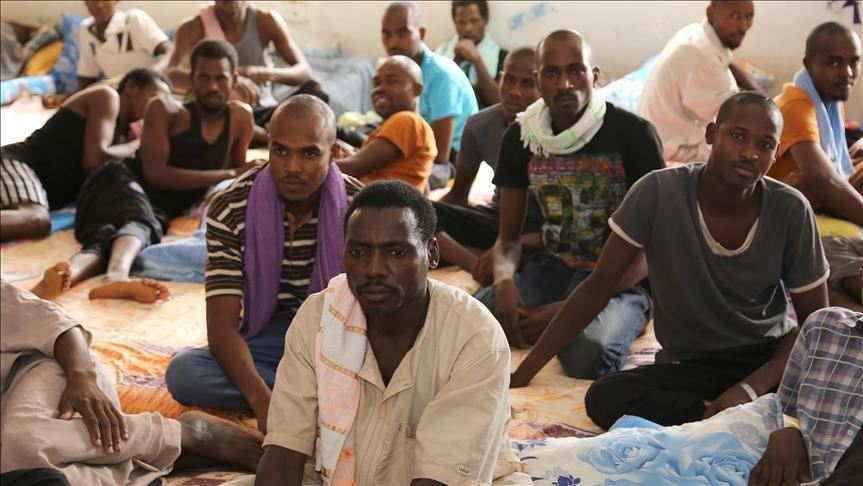
Youth forum urges FG to intensify efforts to protect Nigerians in South Africa
The group called for diplomatic action by the federal government against South African authorities, as well as compensation and restitution for affected Nigerians.

Economy
Volkswagen plans 50,000 fresh global job cuts amid growing competitive car market
The company had earlier agreed to reduce its workforce across all groups, including Porsche and Audi subsidiaries, by 50,000, bringing the total to 100,000.

States
Flooding: Ibeju-Lekki council begins rehabilitation work on Lakowe culvert
The chairman appealed to residents and road users to cooperate with the council officials.
Agriculture
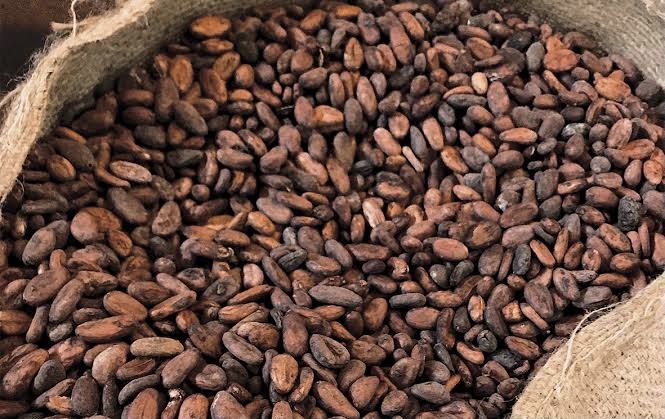
Tinubu seeks end to Africa’s raw cocoa export era
Mr Tinubu said investors were developing a 70,000-tonne cocoa processing facility in Sagamu, Ogun State.


