

Nigerians, other Africans still grapple with hardship despite modest economic improvements: Report
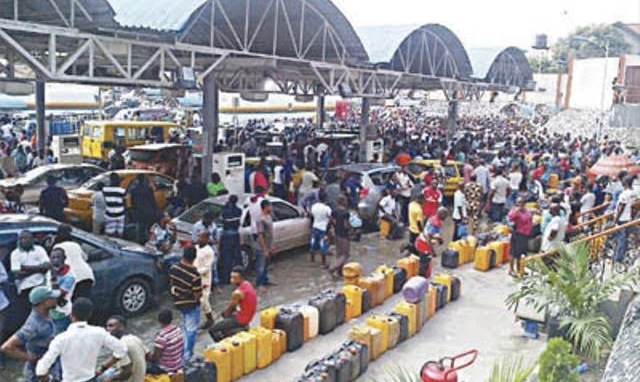
Most Africans, including Nigerians, continue to face widespread economic hardship driven by the rising cost of living, inflation, and unemployment, according to the latest Afrobarometer report.
The report, published on Monday, said that despite signs of economic improvement since the COVID-19 pandemic, Africans still face poverty, inequality, high debt burdens, and other economic pressures.
It added that although government performance ratings have improved, unemployment and the cost-of-living crisis topped the list of issues citizens want authorities to address, based on 50,961 interviews conducted across 38 African countries between 2024 and 2025.
According to the report, 38 per cent of Africans want the government to address health care, 33 per cent prioritise unemployment, while the rising cost of living was cited by 23 per cent of respondents, followed by poverty (10 per cent), management of the economy (eight per cent), and wages (five per cent).
Afrobarometer, a pan-African, nonpartisan survey research network, said in the report that Africa has recorded economic progress, emerging as the second-fastest-growing region after Asia, citing reports by the African Development Bank Group and the United Nations Economic Commission for Africa.
It noted that although countries have made progress in managing monetary policy, inflation remains high in Nigeria, Zimbabwe, Sudan, and Malawi.
The survey showed that nearly half of the respondents described their living circumstances as bad, while the majority said they or family members “went without basic necessities such as a cash income, medical care, clean water, food, and cooking fuel at least once during the previous year.”
It added that 47 per cent of respondents turned to family members for financial assistance, while 33 per cent sought help from friends and neighbours and 12 per cent from religious and community groups.
“Material deprivation remains widespread across the continent, with majorities reporting shortages of essential goods during the previous year, including a cash income (79 per cent), medical care (65 per cent), food (58 per cent), clean water (57 per cent), and cooking fuel (52 per cent),” it said.
The report noted that 49 per cent of Africans described their personal living conditions as “fairly bad” or “very bad”, while one-third (33 per cent) said they were satisfied with their personal circumstances, and 35 per cent said they were unemployed and seeking jobs.
The report found that six in 10 Africans (59 per cent) rated their country’s economic situation as “fairly bad” or “very bad,” and 51 per cent said the situation had worsened over the past year. In addition, 49 per cent expressed optimism that the economy would improve within the next year, while 29 per cent expect conditions to worsen.
Also, six in 10 respondents (58 per cent) believe their country is heading in “the wrong direction.”
“Pessimism about their country’s direction is more common among citizens experiencing high levels of lived poverty (67 per cent) than their well-off counterparts (44 per cent),” the report said.
According to the report, 82 per cent believe the government is performing “fairly badly” or “very badly” on keeping prices stable, narrowing gaps between rich and poor (79 per cent), creating jobs (76 per cent), improving the living standards of the poor (73 per cent), and managing the overall economy (64 per cent).

We have recently deactivated our website's comment provider in favour of other channels of distribution and commentary. We encourage you to join the conversation on our stories via our Facebook, Twitter and other social media pages.

More from Peoples Gazette

Agriculture
FG tasks ECOWAS on leveraging financing strategies for agroecology
The federal government has urged stakeholders in the agriculture and finance sectors in the West Africa region to leverage financing strategies to enhance agroecology practices

Politics
Katsina youths pledge to deliver over 2 million votes to Atiku
“Katsina State is Atiku’s political base because it is his second home.”

States
Gov. Mutfwang imposes curfew in three Plateau LGAs over insecurity
The commissioner reassured law-abiding citizens that security personnel would operate with professionalism.

States
Akwa Ibom invests N14.6 billion in matching grants to grow basic education
Mr Umoh described the investment as the government’s deliberate effort to advance education.
NationWide
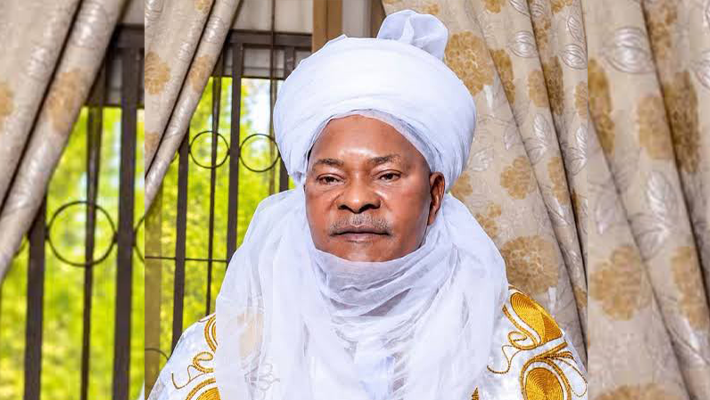
Tinubu mourns former Kogi governor Idris
Mr Idris died in the United Kingdom on Sunday at the age of 77.

NationWide
Court grants ex-minister Uche Nnaji permission to travel abroad for treatment
The court fixed October 26 for continuation of the trial.
Africa
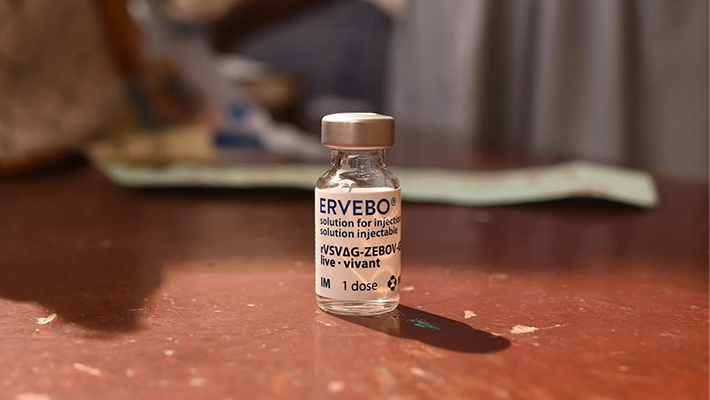
Ebola vaccine trial begins in DR Congo
The trial is aimed at improving understanding of how effective the vaccine is against the Ebola Bundibugyo virus.

World
Air Force officer charged over call for Trump’s impeachment
Mr Watson could face reprimand, reassignment, demotion, forfeiture of pay, extra duties or restrictions, dishonourable discharge, confinement and loss of benefits.


