

Jigawa stakeholders advocate preventive measures against malaria

Stakeholders in Jigawa’s health sector have called for greater adherence to preventive measures to reduce the state’s malaria burden.
The stakeholders, including health experts, environmentalists and residents, described prevention as an effective tool to prevent the disease, especially during the wet season.
They stated this in separate interviews on Friday in Dutse.
Ibrahim Lawan, a medical worker in Kazaure, stressed the need for residents to take proactive steps to protect themselves against mosquito bites.
He described malaria as one of the leading causes of illness in the country, noting that prevention remains the most effective strategy to control the disease.
Mr Lawan advised residents to sleep under treated nets, keep their surroundings clean, clear stagnant water and ensure proper waste disposal to prevent mosquitoes from breeding.
“People should seek medical attention immediately if they notice symptoms such as fever, headache, body weakness and chills instead of resorting to self-medication,” he said.
Adamu Sani, an environmentalist, called for more public enlightenment initiatives to promote environmentally friendly habits at the grassroots level.
He said regular environmental sanitation and the use of mosquito nets help to reduce malaria infections in his household.
“We always clear bushes around our home and make sure there is no stagnant water. These simple measures helped us a lot,” he said.
Abasiya Hashiru, a resident, urged community members to cooperate with health officials in maintaining clean environments.
She noted that malaria could be prevented if residents prioritised sanitation and ensured they slept under treated nets.
Also, Hafsat Musa urged governments and health authorities to intensify awareness campaigns, particularly in rural communities where access to health information is limited.
She said regular sensitisation activities would help residents understand the dangers of malaria and the importance of early treatment.
“Collective efforts by governments, health workers and community members are essential to reduce the burden of malaria and improve public health outcomes,” she said.
(NAN)

We have recently deactivated our website's comment provider in favour of other channels of distribution and commentary. We encourage you to join the conversation on our stories via our Facebook, Twitter and other social media pages.

More from Peoples Gazette

States
Independence: NBA urges Nigerians to expect better future
The NBA said that ordinary Nigerians should be deriving benefit from the subsidy removal rather than hardship.

Agriculture
FG tasks ECOWAS on leveraging financing strategies for agroecology
The federal government has urged stakeholders in the agriculture and finance sectors in the West Africa region to leverage financing strategies to enhance agroecology practices

Politics
Katsina youths pledge to deliver over 2 million votes to Atiku
“Katsina State is Atiku’s political base because it is his second home.”
NationWide
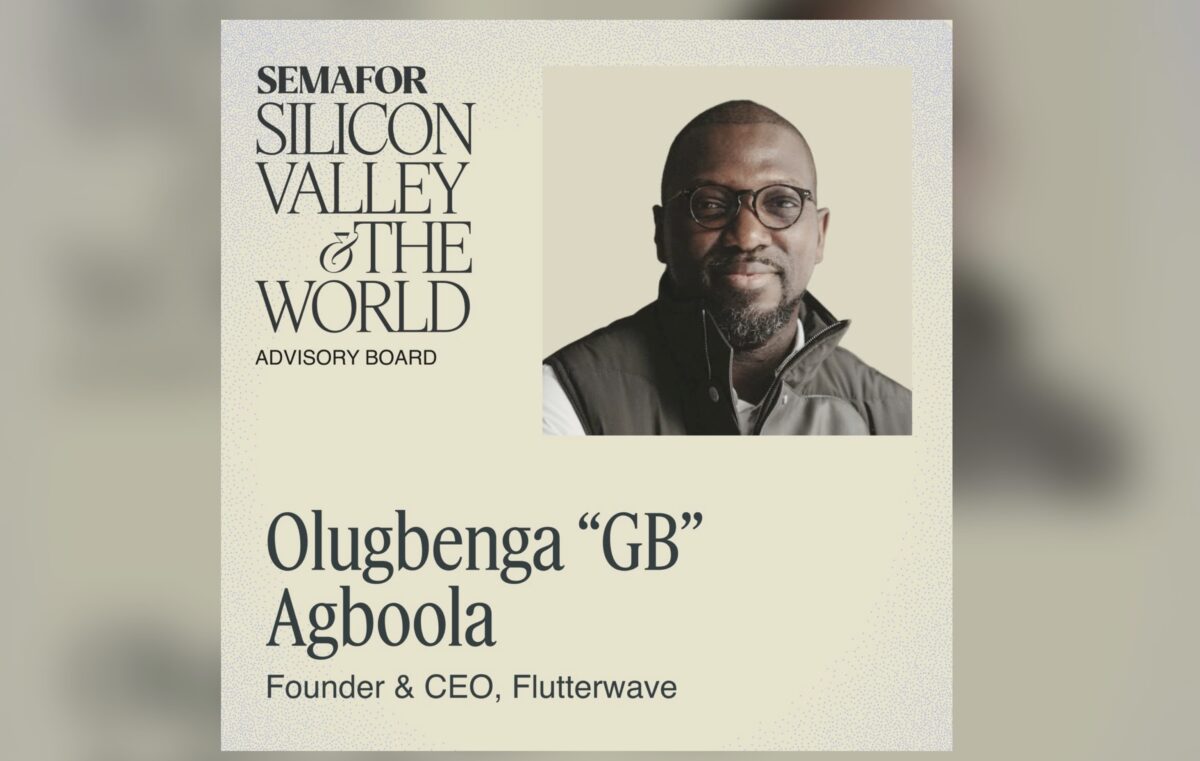
Flutterwave CEO joins OpenAI, NVIDIA, Microsoft, AMD-led advisory board in Silicon Valley
Mr Agboola’s appointment reflects his growing role in international discussions around technology, economic policy, and governance.

States
NCoS inaugurates Katsina Parole Board to strengthen non-custodial justice
Mr Umar-Fage commended the NCoS for the initiative.

States
AG orders probe into electricity cables theft in Ondo LG
Mr Ajulo described the incident as disturbing.
States
Kano govt increasing electricity supply to water treatment plants
Mr Shehu commended Governor Abba Yusuf for his zeal and commitment to improving the well-being of the people of the state.
Africa
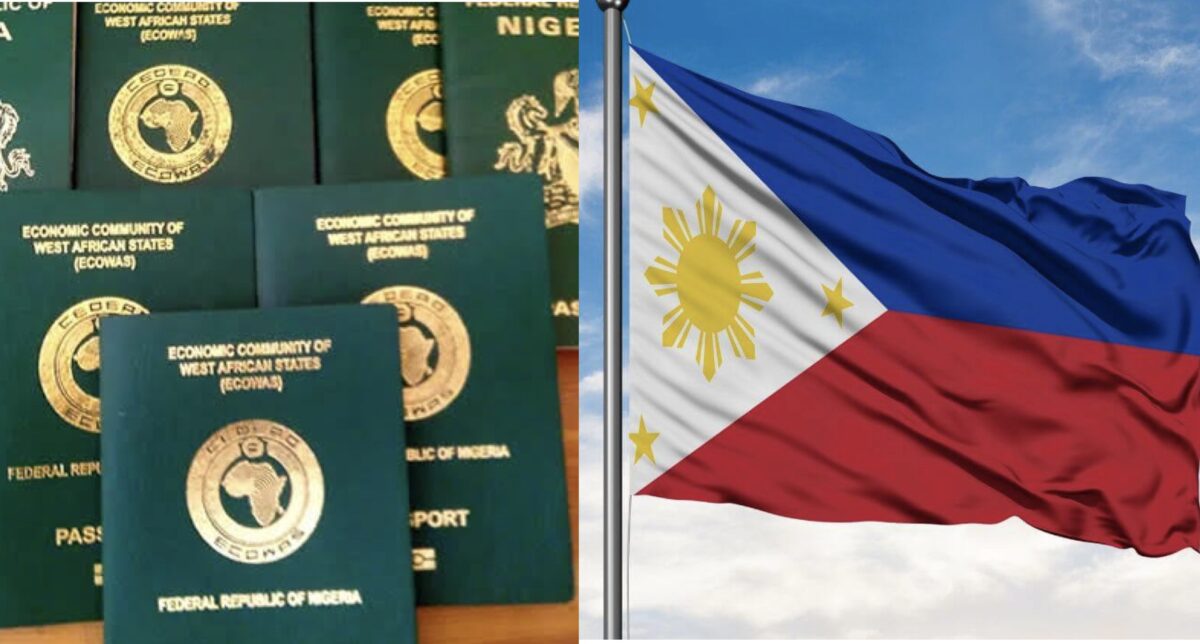
Nigeria left out as Philippines names 46 African countries in major visa-free entry policy
Like Nigeria, citizens of Algeria, Egypt, Libya, Sierra Leone, Somalia, South Sudan and Sudan are also ineligible for the broad visa-free scheme.
Hot news Home top
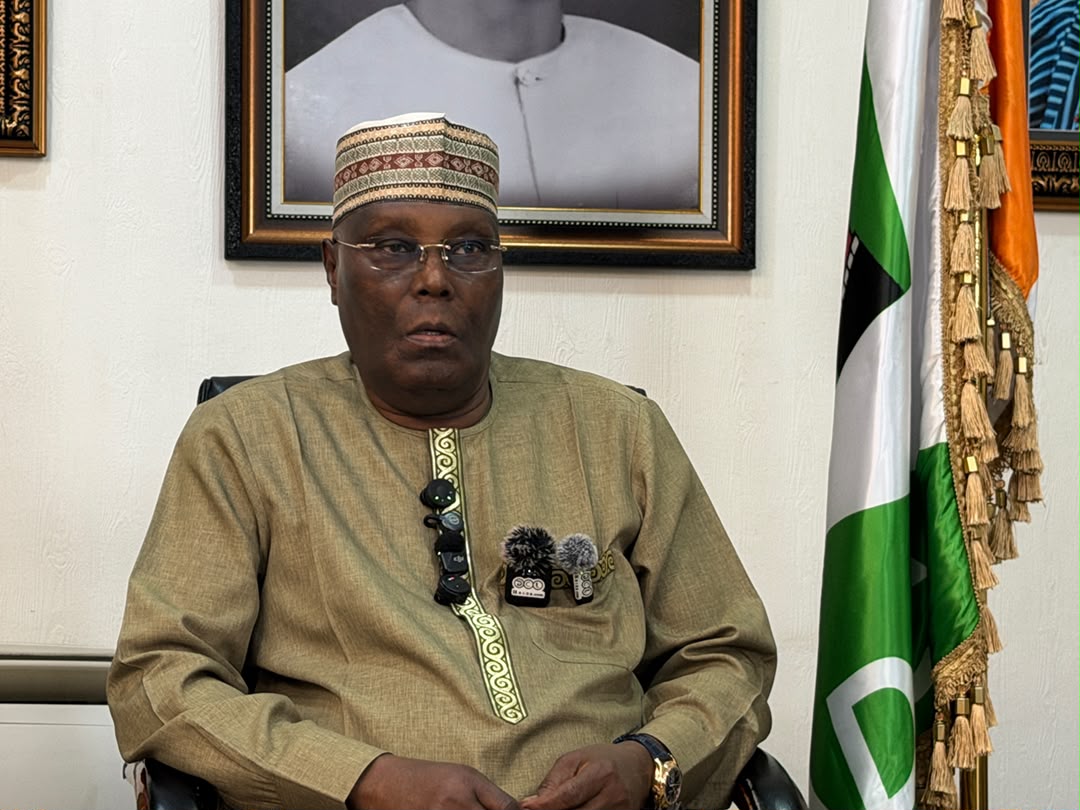
Atiku flays Tinubu’s desperate reintroduction of fuel subsidy, says move election driven
Mr Atiku restated his commitment to making life affordable again.


