

Stakeholders seek plant-based protein policies to boost food security

Stakeholders have urged governments to adopt policies promoting plant-based proteins to strengthen food security and environmental sustainability amid growing climate challenges.
The stakeholders made the call during the Plant-Based Pathways to Protein Security policy webinar organised by the World Agriculture Forum and the Plant Based Treaty to commemorate World Environment Day.
They urged governments to integrate plant-based proteins into agriculture, nutrition and climate policies, saying coordinated action would help address climate change, biodiversity loss and food insecurity.
Anita Krajnc, executive director of The Save Movement and global campaign coordinator of the Plant Based Treaty, said plant-based proteins were critical to building sustainable food systems.
Ms Krajnc identified beans, peas, lentils, soy products, nuts, seeds and whole grains as nutritious protein sources capable of meeting human dietary needs.
According to her, increasing their production and consumption would reduce greenhouse gas emissions, lessen pressure on land and water resources, and improve public health.
“Animal-based food production uses about 83 per cent of agricultural land, covering approximately four billion hectares globally.
“By transitioning to plant-based diets, land use could be reduced by as much as 75 per cent, creating opportunities for reforestation, rewilding and carbon storage while still feeding the global population,” she said.
Ms Krajnc said the world was facing an unprecedented environmental crisis, noting that seven of the Earth’s nine planetary boundaries had already been exceeded.
She stressed that food systems must become part of climate solutions to conserve biodiversity, protect natural resources and ensure long-term food security.
Also speaking, Sira Secka, founder of ENENNFOOF Excellence Foundation, The Gambia, urged governments to encourage the cultivation and consumption of indigenous African protein crops.
She listed bambara groundnuts, cowpeas, groundnuts, moringa, millet and fonio as climate-resilient crops capable of improving nutrition while supporting environmental sustainability.
Ms Secka said the crops could improve nutrition, withstand changing climatic conditions and strengthen local food systems.
She added that supporting their production through appropriate policies would improve farmers’ livelihoods.
According to her, bambara groundnuts thrive under drought conditions and in poor soils, while cowpeas and groundnuts remain affordable protein sources widely cultivated across West Africa.
Presenting the Danish Action Plan for Plant-Based Food, Rune-Christopher Dragsdahl, executive director of the Danish Vegetarian Society, said sustainable food systems were essential to achieving global protein security.
He said the global food system was driving five of the seven planetary boundaries already breached, underscoring the need for coordinated policy responses.
“Climate change, environmental degradation, food insecurity and public health challenges are interconnected and require integrated policy responses,” he said.
Mr Dragsdahl urged governments, development partners, the private sector and consumers to support sustainable agriculture, responsible consumption and innovation in food production.
“Investing in sustainable agriculture and encouraging responsible consumption will help build resilient food systems.
“Raising public awareness about plant-based diets will help meet future food needs without compromising the environment,” he said.
The stakeholders said policies promoting climate-resilient, protein-rich crops would complement ongoing efforts to improve food security, strengthen food systems and reduce pressure on natural resources.
They added that supporting indigenous crops and aligning agricultural policies with environmental objectives would enhance climate resilience and promote sustainable development.
(NAN)

We have recently deactivated our website's comment provider in favour of other channels of distribution and commentary. We encourage you to join the conversation on our stories via our Facebook, Twitter and other social media pages.

More from Peoples Gazette

Agriculture
FG tasks ECOWAS on leveraging financing strategies for agroecology
The federal government has urged stakeholders in the agriculture and finance sectors in the West Africa region to leverage financing strategies to enhance agroecology practices

Politics
Katsina youths pledge to deliver over 2 million votes to Atiku
“Katsina State is Atiku’s political base because it is his second home.”
Africa
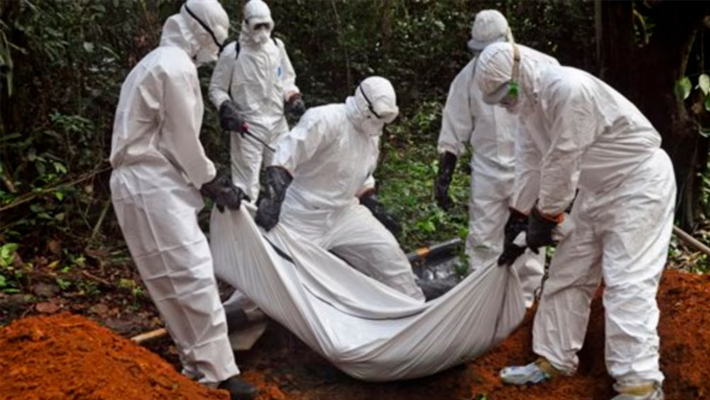
Ebola deaths in DR Congo hit 3,200
Ebola virus continues to spread in the eastern provinces of the DRC, with more than 3,200 deaths reported, the UN said.

Education
NOUN appoints Ramatu Ibrahim as acting bursar
NOUN said Ms Ibrahim’s appointment took effect from Tuesday, September 8, 2026, and would remain in force until further notice.

States
Yayi can’t win Ogun election, he is Sulaimon Ogunleye from Ekiti: Wale Adedayo
Mr Adedayo alleged that Mr Adeola was originally Sulaimon Ogunleye from Ekiti State but now falsely claims Ogun State ancestry for political gains.

World
FG condemns fresh Houthi attacks on Saudi Arabia
“Nigeria regards the fresh hostilities as a serious threat not only to the security and sovereignty of Saudi Arabia but also to regional stability in the Middle East,” he said.

Education
NOUN declares three-day mourning for slain bursar
The university said, “The mourning period commenced on Monday, September 7 and would end on Wednesday, September 9, 2026.

States
Nasarawa varsity seeks assembly intervention to end ASUU strike
Nasarawa State University, Keffi (NSUK), has appealed to the House of Assembly to intervene in the ongoing ASUU strike.


