

U.S. signs landmark nuclear deal with Saudi Arabia
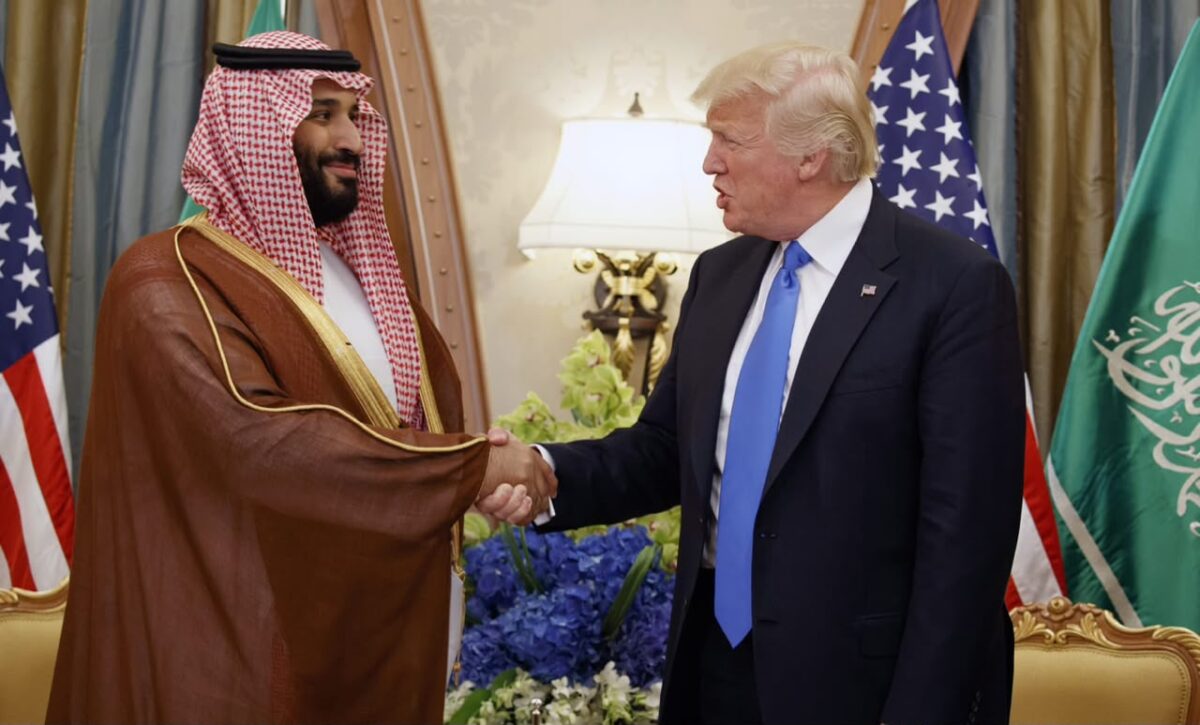
The United States and Saudi Arabia have signed a landmark nuclear deal that will allow the Gulf kingdom to develop a civilian nuclear programme.
The U.S. Department of Energy said the deal, described as a “peaceful nuclear cooperation agreement,” will provide “greater access for American companies” to participate in Saudi Arabia’s nuclear energy programme.
The department also said a “bilateral safeguards agreement” was signed.
“Together, these two agreements lay the legal foundation for a decades-long, multibillion-dollar partnership that advances several priority economic and strategic objectives, including nuclear nonproliferation,” the statement reads.
The Saudi government also released a statement describing the deal as “an extension of existing cooperation between the two countries in the energy sector.”
The agreement came after Saudi Crown Prince Mohammed bin Salman visited Washington in November and is expected to be submitted to the U.S. Congress for review.
This could be worth billions of dollars to the U.S., whose companies could be involved in building a facility to produce enriched uranium, which can be used as fuel for power plants but also to make nuclear bombs.
“Rest assured, these agreements uphold the highest standards of nuclear safety and nonproliferation while relying on the world’s best nuclear technology and scientists, designed right here in the United States,” U.S. Secretary of Energy Chris Wright said in a statement.
Rosemary Kelanic, director of the Middle East programme at the U.S.-based Defence Priorities think tank, said it would be “quite shocking” if the agreement allowed Saudi Arabia to enrich uranium domestically.
“The U.S. has never done that before; we have never helped another country enrich on their own soil.
“If you can produce your own nuclear fuel, you become a much bigger risk for building nuclear weapons,” she said.
U.S. Secretary of State Marco Rubio dismissed concerns about Saudi Arabia potentially developing nuclear weapons in the future.
“The U.S. is not going to reach any agreement with any country in the world that leads to the risk of proliferation,” Mr Rubio said.

We have recently deactivated our website's comment provider in favour of other channels of distribution and commentary. We encourage you to join the conversation on our stories via our Facebook, Twitter and other social media pages.

More from Peoples Gazette

Agriculture
FG tasks ECOWAS on leveraging financing strategies for agroecology
The federal government has urged stakeholders in the agriculture and finance sectors in the West Africa region to leverage financing strategies to enhance agroecology practices

Politics
Katsina youths pledge to deliver over 2 million votes to Atiku
“Katsina State is Atiku’s political base because it is his second home.”
NationWide
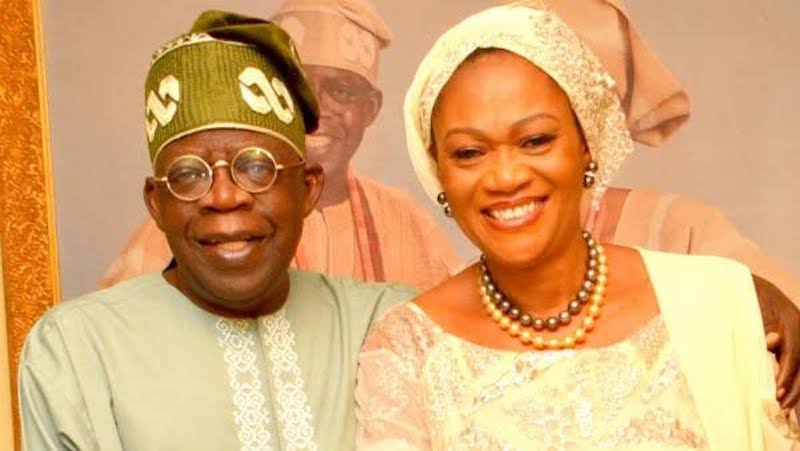
Just give my husband second term; I want better Nigeria so I can enjoy our old age: Remi Tinubu
Mrs Tinubu made this call while speaking to Catholic mothers in Imo State on Wednesday.

Sport
EFL Cup: Welbeck, Palmer fire brace as Chelsea beat Leeds 6-3
Chelsea progressed to the fourth round of the EFL Cup with 6-3 win against Leeds as Cole Palmer and Danny Welbeck fired a brace a brace each.

Sport
Champions League: PSG, Arsenal, Liverpool, Barcelona triumph against opponents
Ferran Torres fired a hat-trick as two-time consecutive holders PSG thrash Slovan Bratislava 6-1 and Spanish champions Barcelona whipped Feyenoord 5-1.

States
Kano political critic Khalil Dan Shagamu slaughtered at his residence
Mr Kwankwaso, a former Kano governor, also condemned the killing of Mr Shagamu.

States
Police nab suspect for impersonating JAMB registrar’s aide
Mr Iniedu said the police are currently pursuing the fleeing principal suspect, Nnabuife Nwekpa.

Port Harcourt
TCN begins rehabilitation of vandalised towers in Rivers
TCN stressed the need for greater community involvement in protecting transmission infrastructure.


