

U.S. signs landmark nuclear deal with Saudi Arabia
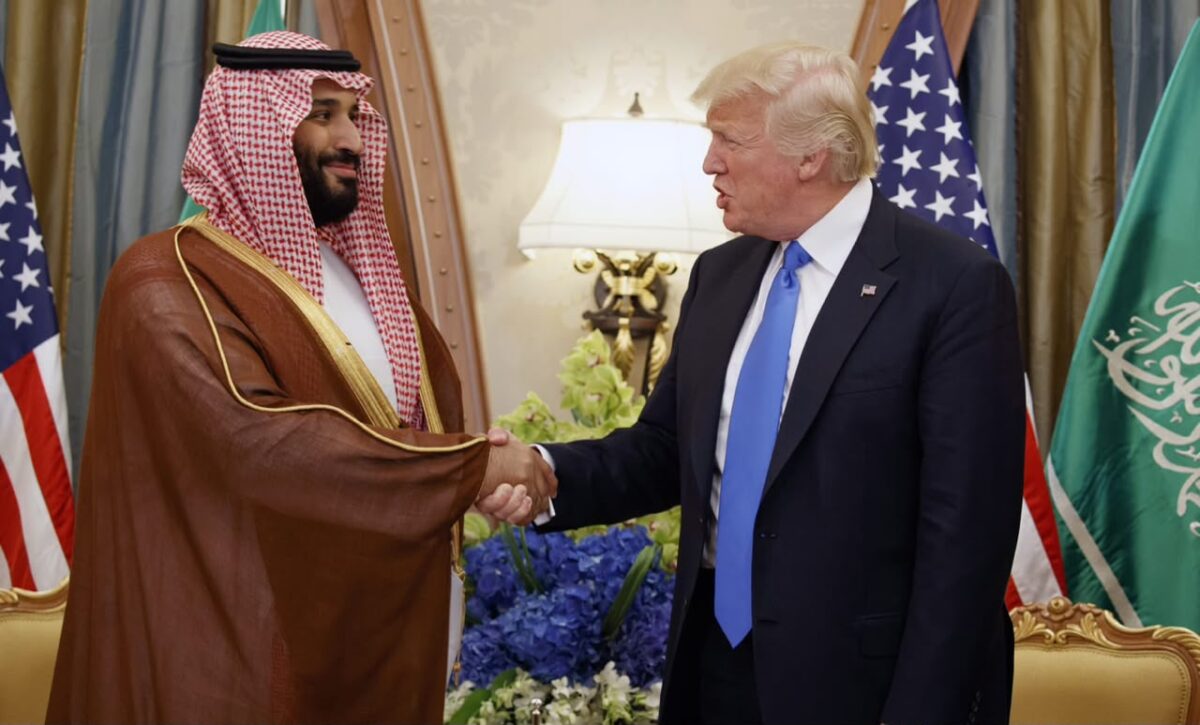
The United States and Saudi Arabia have signed a landmark nuclear deal that will allow the Gulf kingdom to develop a civilian nuclear programme.
The U.S. Department of Energy said the deal, described as a “peaceful nuclear cooperation agreement,” will provide “greater access for American companies” to participate in Saudi Arabia’s nuclear energy programme.
The department also said a “bilateral safeguards agreement” was signed.
“Together, these two agreements lay the legal foundation for a decades-long, multibillion-dollar partnership that advances several priority economic and strategic objectives, including nuclear nonproliferation,” the statement reads.
The Saudi government also released a statement describing the deal as “an extension of existing cooperation between the two countries in the energy sector.”
The agreement came after Saudi Crown Prince Mohammed bin Salman visited Washington in November and is expected to be submitted to the U.S. Congress for review.
This could be worth billions of dollars to the U.S., whose companies could be involved in building a facility to produce enriched uranium, which can be used as fuel for power plants but also to make nuclear bombs.
“Rest assured, these agreements uphold the highest standards of nuclear safety and nonproliferation while relying on the world’s best nuclear technology and scientists, designed right here in the United States,” U.S. Secretary of Energy Chris Wright said in a statement.
Rosemary Kelanic, director of the Middle East programme at the U.S.-based Defence Priorities think tank, said it would be “quite shocking” if the agreement allowed Saudi Arabia to enrich uranium domestically.
“The U.S. has never done that before; we have never helped another country enrich on their own soil.
“If you can produce your own nuclear fuel, you become a much bigger risk for building nuclear weapons,” she said.
U.S. Secretary of State Marco Rubio dismissed concerns about Saudi Arabia potentially developing nuclear weapons in the future.
“The U.S. is not going to reach any agreement with any country in the world that leads to the risk of proliferation,” Mr Rubio said.

We have recently deactivated our website's comment provider in favour of other channels of distribution and commentary. We encourage you to join the conversation on our stories via our Facebook, Twitter and other social media pages.

More from Peoples Gazette

States
Independence: NBA urges Nigerians to expect better future
The NBA said that ordinary Nigerians should be deriving benefit from the subsidy removal rather than hardship.

Agriculture
FG tasks ECOWAS on leveraging financing strategies for agroecology
The federal government has urged stakeholders in the agriculture and finance sectors in the West Africa region to leverage financing strategies to enhance agroecology practices

Politics
Katsina youths pledge to deliver over 2 million votes to Atiku
“Katsina State is Atiku’s political base because it is his second home.”

States
COREN approves Gombe assembly complex project
The development follows the council’s investigation into the collapse of the reinforced concrete entrance canopy.
Politics
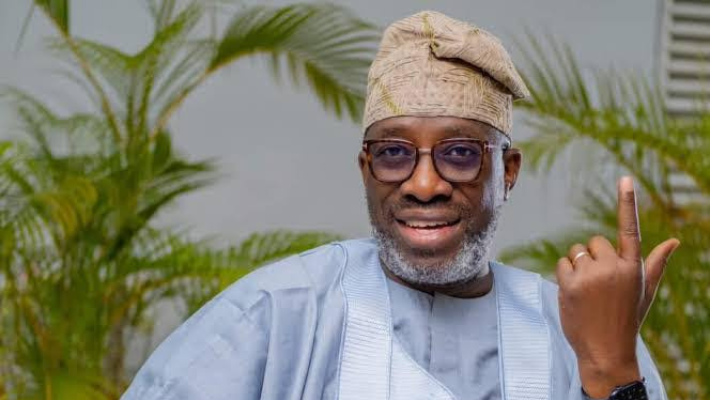
2027: Atiku’s ex-aide urges Igbos, other non-indigenes in Ogun to support Tinubu’s reelection
Mr Sowunmi also urged voters in Ogun West, which he said had over 900,000 registered voters, to mobilise massively for Mr Tinubu.

NationWide
Etsu Nupe to champion cultural showcase at global PR forum
Mr Datti also urged young public relations practitioners to uphold ethical standards and responsible communication in their workplaces.
World
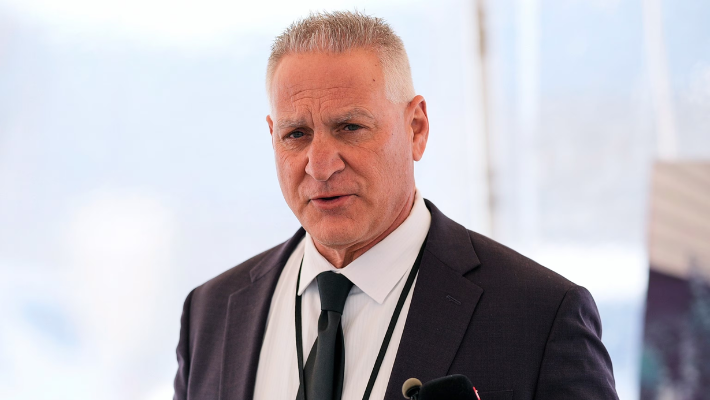
Tennessee’s prison chief resigns after botched execution of teen killer, Christa Pike
While describing the resignation as “justified”, Ms Pike’s legal team said the decision has no impact on their client’s health.
States
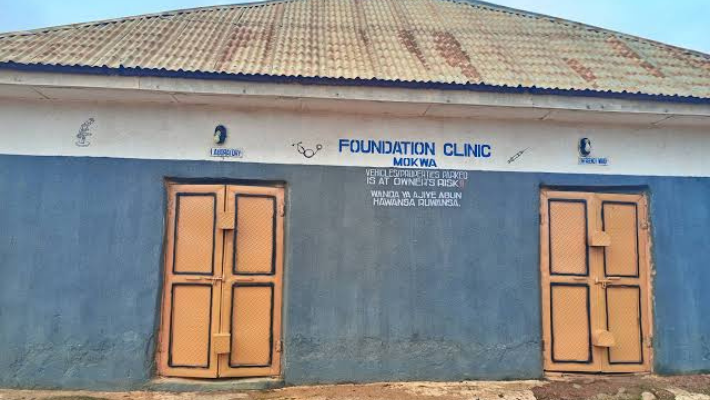
Niger govt re-seals clinic over failure to meet health standards
The agency said the action followed an inspection that found the facility failed to meet the minimum standards required for operation.
States
Kebbi Attacks: Gov. Idris vows stronger security, donates N200 million to victims
Mr Idris said the killing of citizens would not be tolerated by either the state or the federal government.


