

U.S.-Iran War: Kenya faces $800 million loss to oil price surge

Kenya is set to lose an estimated $340 million due to elevated oil prices since the start of the U.S.-Iran war and will cost up to $800 million ($770 million – $810 million) in total by the end of the year in case of continued escalation, according to new analysis by climate advocacy group 350.org on Friday.
The analysis showed that even in the case of a swift normalisation of the Strait of Hormuz and the region, higher oil prices would cost the Kenyan people and businesses over half a billion ($ 490 million-$520 million) by the end of the year.
The group said its analysis was based on oil and gas pricing scenarios in the International Monetary Fund’s April 2026 World Economic Outlook, Kenyan consumption data, and observed price averages since the start of the U.S.-Iran war and Hormuz crisis.
“350.org‘s estimates do not yet account for wider knock-on effects, including rising fertiliser and food costs, lower economic output and employment, or rising inflation driven by fossil fuel price volatility. As a result, the true economic damage is likely to be significantly greater than the direct losses from higher oil and gas prices alone,” the group stated.
The group said Kenya, as a net oil importer with no domestic petroleum production, is acutely vulnerable to global fossil fuel price volatility, making direct shocks to its import bill a severe macroeconomic threat.
“Energy and transport inputs ripple across every sector of the Kenyan economy, driving up food and agricultural costs (via fuel and fertiliser), logistics, and baseline retail inflation, while putting intense downward pressure on the Kenyan Shilling and national foreign exchange reserves.
“A projected direct loss of up to $800 million diverts critical capital away from public investment, widening the trade balance and placing an unsustainable cost-of-living strain on households,” it added.
According to the group, this dynamic starkly underscores the economic exposure of importing fossil fuels while global oil majors capture windfall profits, intensifying local calls from climate advocates and civil society for Kenya to accelerate its shift toward decentralised, domestic renewable energy to build long-term economic resilience.
“While international oil corporations record windfall profits from geopolitical instability, nations like Kenya are forced to pay the price,” Ruth Agala, Regional Organiser for 350 East Africa, said.
“This projected $800 million loss isn’t just a statistical headline; it represents immediate, damaging pressure on household budgets, and vital public funds being drained from our national economy. It reinforces the urgent need to break our dependence on fossil fuels and rapidly scale up domestic, community-led renewable energy systems,” she added.
Citing the next round of negotiations on a United Nations Framework Convention on International Tax Cooperation in New York, 350.org said that the UN Tax Convention is an opportunity to correct an unjust global system where profits are increasingly concentrated among multinational corporations.
Clémence Dubois, Campaigns Director at 350.org, noted that every spike in fossil fuel prices acted as an unofficial tax on people: increasing the cost of transport, electricity and food, while governments spend billions responding to disasters and shielding households from high energy prices.
“Yet the companies driving both climate pollution and energy volatility continue to reap extraordinary financial rewards. It’s only fair that they contribute to the solutions,” Ms Dubois stated.
The climate group demanded strong, permanent taxes on extraordinary fossil fuel profits, particularly during periods of war, market disruption and energy price spikes.
It also called for stronger international tax rules that give countries, especially in the Global South, greater rights to tax multinational corporations, stressing the need for investment in renewable energy and climate adaptation.

We have recently deactivated our website's comment provider in favour of other channels of distribution and commentary. We encourage you to join the conversation on our stories via our Facebook, Twitter and other social media pages.

More from Peoples Gazette

Agriculture
FG tasks ECOWAS on leveraging financing strategies for agroecology
The federal government has urged stakeholders in the agriculture and finance sectors in the West Africa region to leverage financing strategies to enhance agroecology practices

Politics
Katsina youths pledge to deliver over 2 million votes to Atiku
“Katsina State is Atiku’s political base because it is his second home.”

States
Suspected Boko Haram terrorists, 11 others surrendered in Yobe: Military
Troops of Hadin Kai have arrested four suspected Boko Haram terrorists following a night ambush in Yobe, alongside the surrender of 11 terrorists.
Anti-Corruption
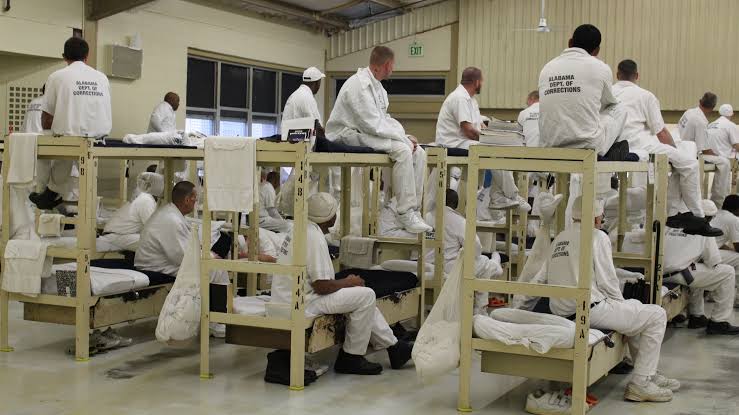
U.S. government official Lennie Miller sentenced to prison for bribery
This followed his January guilty plea to conspiring with Christopher Brackins and James Tillman, owners of general construction companies.

Economy
Nigeria ranks bottom in Africa as only 12% approve of Tinubu’s electricity performance: Report
Only one in eight Nigerians, or 12 per cent, gave Mr Tinubu pass marks for his government’s performance on electricity.
Heading 1
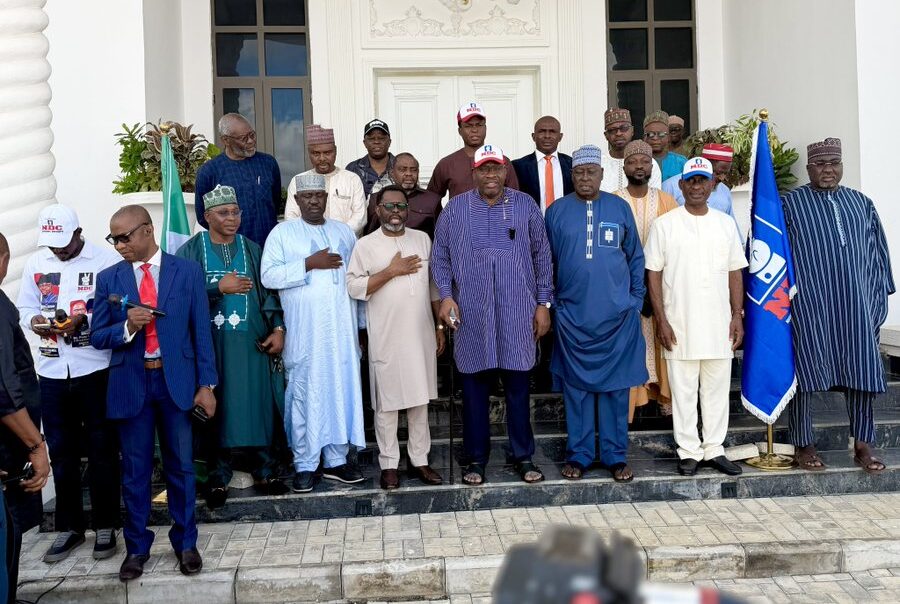
Obi Campaign Crisis: ‘Unheard of, nonsensical’, NDC leader Dickson blasts OK Movement
“Never in the history of the world have support groups set up a presidential campaign council. It’s unheard of and nonsensical,” said Seriake Dickson.

Health
NCDC tightens Ebola surveillance in Nigeria
NCDC says travellers from countries with active or relevant Ebola transmission may need Health Declaration Forms under enhanced surveillance measures.
Abuja
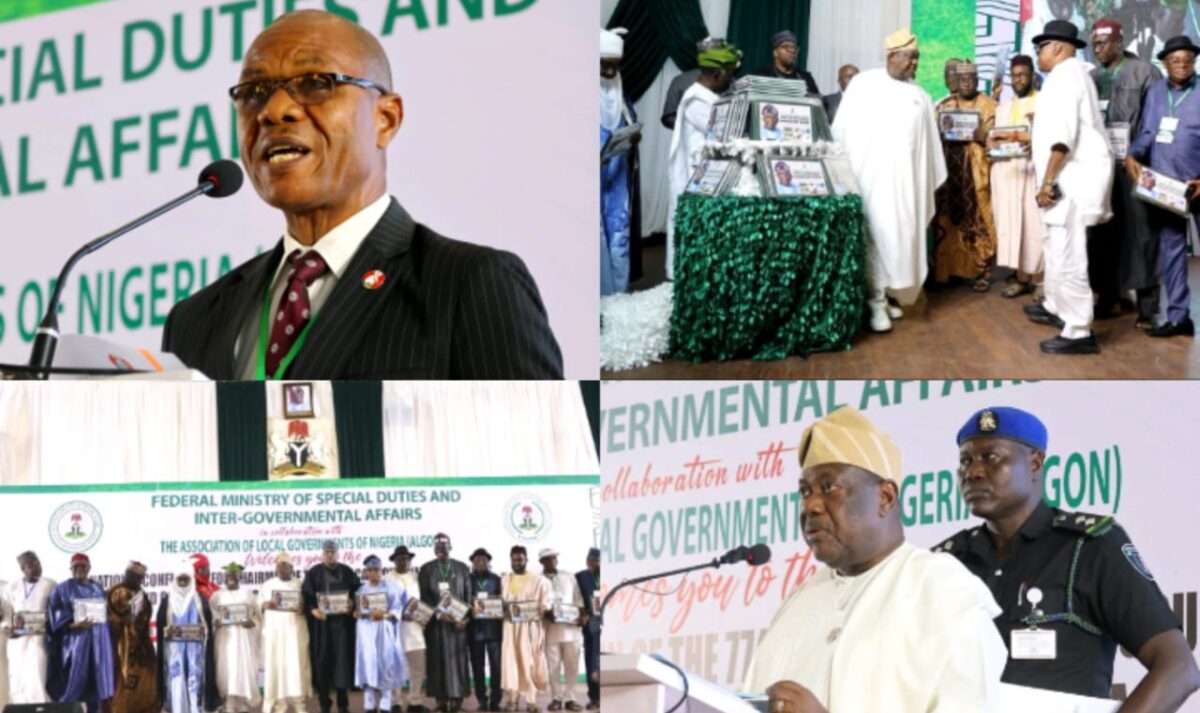
EFCC chair Olukoyede meets LG chairs, traditional rulers over corruption
EFCC tells council chairs and traditional rulers in Nigeria that anti-corruption enforcement would penetrate the grassroots to bring development closer to the people.


