

Saudi Arabia, Turkey, Pakistan sign defence pact amid Middle East tensions
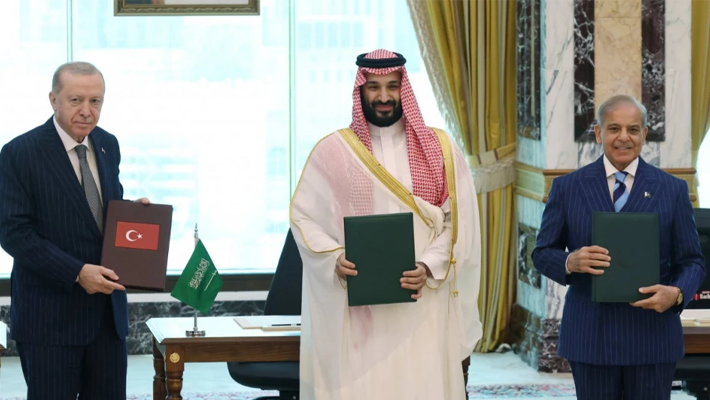
Saudi Arabia, Turkey and Pakistan have signed a joint defence agreement, declaring that an attack on any of the three countries would be considered an attack on all of them.
The pact was announced on Friday at a summit involving Saudi Crown Prince Mohammed bin Salman, Turkish President Recep Tayyip Erdogan and Pakistani Prime Minister Shehbaz Sharif in Mecca.
The signing of the agreement came amid recent conflicts in the Middle East, which saw Iran attack several countries in the region, including Saudi Arabia, in response to the military strikes on the Islamic Republic by the United States and Israel.
The new Mecca Joint Defence Agreement aims “to strengthen collective deterrence against any act of aggression, and stipulates that any armed attack against any one of the three States shall be regarded as an attack against them all,” a joint statement reads.
“It further provides for the enhancement of all aspects of defence co-operation among the three States,” it added.
According to reports, the pact imposes no specific obligations on each of the three Sunni Muslim countries but contains pledges of mutual military support, with a Turkish official quoted by Reuters news agency saying the agreement was “purely defensive in nature”.
Last year, Saudi Arabia and Pakistan signed a similar defence pact, which drew condemnation from India, which is constantly at loggerheads with Pakistan.
“A politically unstable and economically broken Pakistan as a security provider is a dangerous proposition. Saudi Arabia knows this will be construed in India as a threat to India’s security.
“Given the tensions between Pakistan and India, this Saudi step is strategically most adventurous,” former Indian foreign secretary Kanwal Sibal said in response to the agreement in an X statement at the time.

We have recently deactivated our website's comment provider in favour of other channels of distribution and commentary. We encourage you to join the conversation on our stories via our Facebook, Twitter and other social media pages.

More from Peoples Gazette

Agriculture
FG tasks ECOWAS on leveraging financing strategies for agroecology
The federal government has urged stakeholders in the agriculture and finance sectors in the West Africa region to leverage financing strategies to enhance agroecology practices

Politics
Katsina youths pledge to deliver over 2 million votes to Atiku
“Katsina State is Atiku’s political base because it is his second home.”
Heading 4
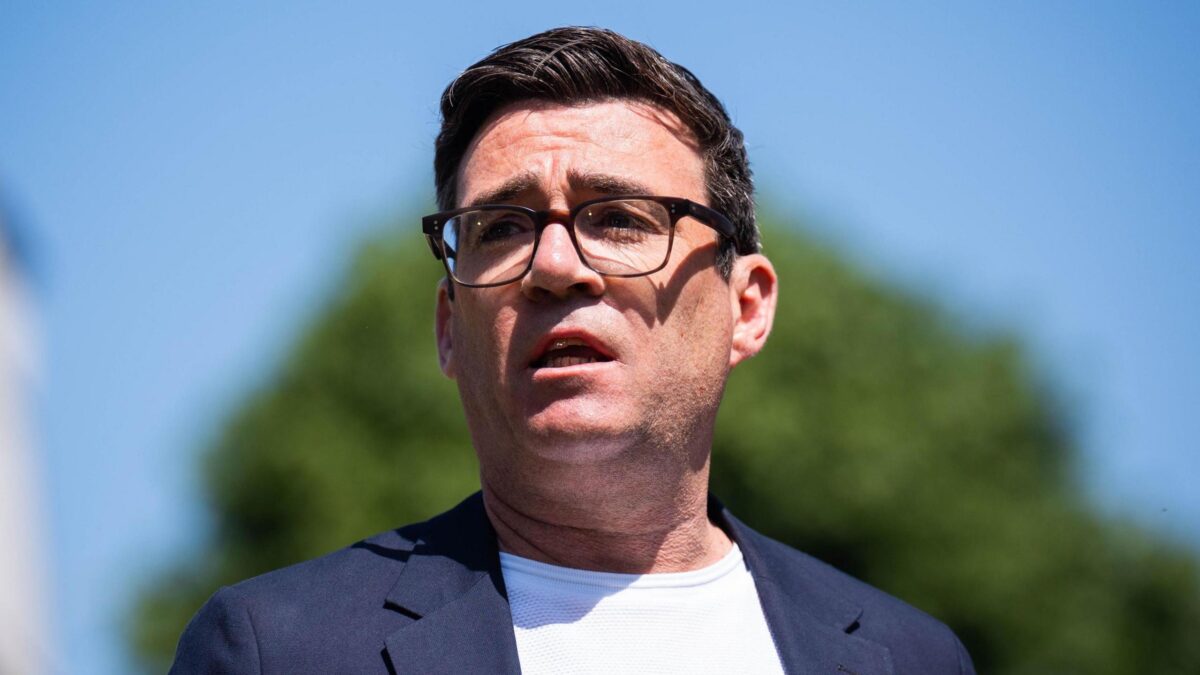
UK women, partners to get two weeks’ bereavement leave after miscarriage from next year
“From April, women and their partners will be entitled to two weeks off after any pregnancy loss,” Mr Burnham said.
Africa
Climate Change: 32 million West Africans may become refugees by 2050, says ECOWAS
ECOWAS says 32 million West Africans risk being displaced from their communities due to climate change.
States
Navy recovers 182,000 litres of suspected stolen crude oil in Rivers
The Nigerian Navy recovered 182,000 litres of suspected stolen crude oil in Rivers.
Economy
Edible oil tanker drivers suspend planned strike
NUEOTDN President Ilias Aperun said the decision followed interventions by the federal government and the State Security Service (SSS).

States
Lagos APC governorship candidate Hamzat rallies voters for 2027
Mr Hamzat expressed concern about declining voter participation, noting that of the 6.2 million registered voters in Lagos in the last election, only about 1.2 million voted.
Economy
NMDPRA begins consultations on anti-competition regulations in petroleum sector
The proposed regulations are designed to address abuse of dominance and promote fair, non-discriminatory access to essential petroleum infrastructure.


