

Nigerians earning salaries from N150,000 to N250,000 felt inflation pinch in July: CBN
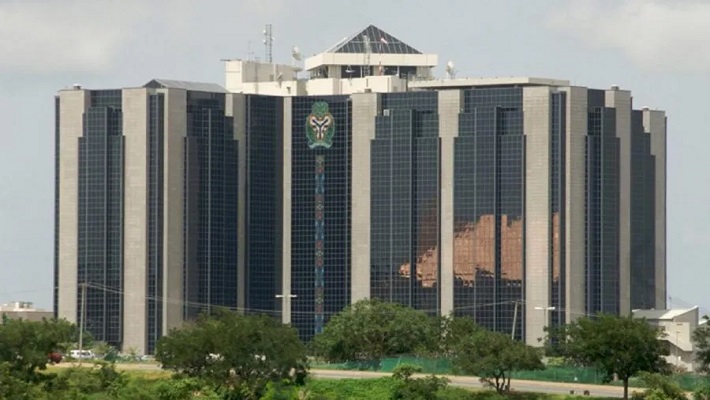
Nigerian households earning between N150,000 and N250,000 monthly mostly felt the pinch of inflation in July, with 71 per cent of them perceiving the cost of goods and services as high, the Central Bank of Nigeria’s latest survey showed.
The CBN disclosed this in its July 2026 Inflation Expectations Survey Report, released on Friday by the Statistics Department under the Economic Policy Directorate.
The percentage indicated that Nigerians in those income brackets perceived inflation higher in July than other income groups.
“An analysis of households’ perceptions by income revealed that households earning ₦150,001-₦250,000 monthly (71.0 per cent) had the highest proportion of respondents who perceived inflation as high,” the apex bank said.
However, respondents earning below N70,000 reported high inflation perception at 66.2 per cent, while those in the N70,000 and N150,000 income group recorded 66.9 per cent. Those earning between ₦350,001 and ₦450,000 monthly reported the lowest perception of high inflation at 55 per cent in July.
The CBN said that the Inflation Perception Index stood at 40 points in the period under review, noting that this indicates respondents’ perceived current inflation rate as moderate compared to June.
“Among household respondents, the proportion who perceive inflation to be high decreased from 76.0 per cent in June 2026 to 67.3 per cent in the review month,” it said.
The CBN said the Inflation Expectation Index is expected to fall to 21.2 points, “signalling a further easing of inflationary pressures.”
It said that 70.6 per cent of micro businesses also viewed inflation as high, while large businesses perceived it as low, at six per cent.
“A higher proportion of urban households reported high inflation (68.8 per cent) than rural households (64.3 per cent),” it added.
It noted that “the percentage of businesses who perceive inflation as high declined from 67.3 per cent in June 2026 to 65.4 per cent in the review month.
The survey identified natural disasters, infrastructure challenges, energy costs, insecurity, interest rates, transportation, middlemen activities and exchange rates as key drivers of Nigerians’ perception of inflation.
“Overall, business and household respondents anticipate a gradual reduction in inflation-related expenditure over the next six months,” the CBN said. “This expectation is largely influenced by business respondents, who exhibit a more optimistic outlook regarding the easing of inflationary pressures.”
The survey comes as Nigerians continue to grapple with the rising cost of living, further compounded by the removal of the fuel subsidy and the floating of the naira.

We have recently deactivated our website's comment provider in favour of other channels of distribution and commentary. We encourage you to join the conversation on our stories via our Facebook, Twitter and other social media pages.

More from Peoples Gazette

Agriculture
FG tasks ECOWAS on leveraging financing strategies for agroecology
The federal government has urged stakeholders in the agriculture and finance sectors in the West Africa region to leverage financing strategies to enhance agroecology practices

Politics
Katsina youths pledge to deliver over 2 million votes to Atiku
“Katsina State is Atiku’s political base because it is his second home.”

World
Judge frees septuagenarian after 41 years in prison as DNA clears him to crime
Mr Carter’s release came after the state Supreme Court ordered a fresh trial last year, citing misconduct by investigators.

States
2027: INEC announces PVC distribution schedule in Oyo
INEC says it will begin distributing newly printed permanent voter cards (PVCs) in Oyo State from October 9.
Abuja
Wike approves contracts for digitisation of FCT high courts
Mr Dako noted that the FCT judiciary over the years faced challenges associated with handwritten court notes.

NationWide
AIICO inaugurates learning centre to boost insurance education
Ms Elias said the facility would reduce the company’s reliance on external venues for training programmes.

Africa
ECA mobilises West African SMEs to strengthen rice value chains
The initiative seeks to reduce West Africa’s dependence on external rice, boost intra-regional trade and strengthen food systems’ resilience over the medium and long term.
NationWide
Senate to hold national security summit October 12
Senate President Godswill Akpabio announced the dates during plenary on Tuesday.


