

Media professionals decry threats to press freedom in West Africa
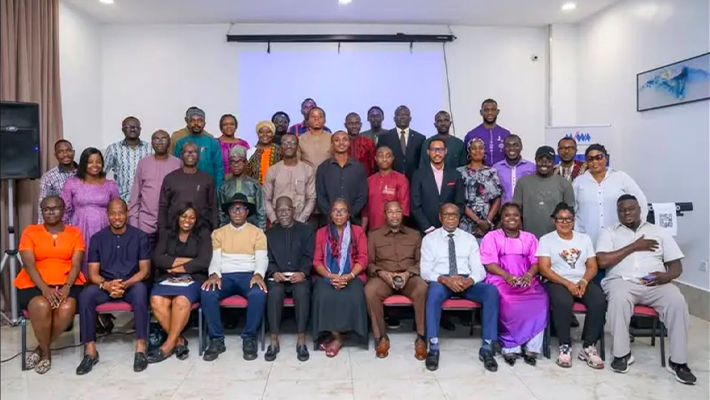
Media practitioners in West Africa have expressed concern over the deterioration of media freedom, narrowing of civic space, weakened institutional accountability and growing restraints on independent journalism in the region.
The media professionals’ concern was contained in a communique issued at the end of the regional conference convened by the Media Foundation for West Africa (MFWA) on August 11 in Abuja.
The conference, which addressed issues bordering on press freedom and democratic governance, was attended by journalists, editors, media owners, publishers, media support organisations, civil society organisations, digital rights advocates, legal practitioners, academics, policymakers and development partners across West Africa.
The participants at the conference discussed the MFWA-commissioned report, which assessed the state of media and free expression rights in Burkina Faso, Mali, Niger and Guinea, as well as the broader trajectory of press freedom and democratic governance in the region.
The participants decried the use of cybercrime and national security legislation, arrests and detentions, media suspensions, internet restrictions and surveillance to undermine legitimate journalistic work, particularly in countries facing real-time security challenges.
The media experts noted that press freedom and national security should be complementary objectives and not competitors.
The statement noted, “Independent journalism and national security are not competing objectives. A free, professional and responsible media strengthens public trust, improves governance and contributes to national cohesion and stability, including in contexts of armed conflict.
“The use of cybercrime legislation and vaguely defined security offences to sanction journalistic work raises serious concerns for democratic governance in the region, and calls for a clearer legal distinction between criminal offences and the legitimate exercise of journalism.”
The experts expressed concern over the erosion of editorial independence, widespread practice of self-censorship, unresolved cases of missing journalists and the disproportionate threats faced by women journalists in the media sector.
The professionals called on governments across the West African region to repeal or amend laws that criminalise legitimate journalism.
They also called for the need to restore judicial oversight over surveillance powers, guarantee the independence of media regulatory institutions and ensure due process in any suspension or closure of a media organisation.
“Place press freedom at the centre of democratic governance assessments, electoral observation missions and political transition processes. Develop stronger regional accountability mechanisms for persistent violations against journalists,” it said.
The experts said regional and continental institutions must place press freedom at the centre of democratic governance assessments and strengthen accountability mechanisms for persistent violations against journalists.
The participants also called on media organisations, civil society, media support organisations and development partners to continue to strengthen editorial independence and cross-border investigative collaboration to sustain legal defence, digital security and protection mechanisms for journalists at risk.
“Expand collaboration among media organisations for investigative journalism, safety mechanisms and solidarity responses to attacks. Invest in digital security, newsroom safety protocols and journalists wellbeing,” the communique stated.
Promote greater inclusion of women in newsroom leadership and decision-making. Uphold the highest standards of ethical, professional and independent journalism,” it said.

We have recently deactivated our website's comment provider in favour of other channels of distribution and commentary. We encourage you to join the conversation on our stories via our Facebook, Twitter and other social media pages.

More from Peoples Gazette

States
Independence: NBA urges Nigerians to expect better future
The NBA said that ordinary Nigerians should be deriving benefit from the subsidy removal rather than hardship.

Agriculture
FG tasks ECOWAS on leveraging financing strategies for agroecology
The federal government has urged stakeholders in the agriculture and finance sectors in the West Africa region to leverage financing strategies to enhance agroecology practices

Politics
Katsina youths pledge to deliver over 2 million votes to Atiku
“Katsina State is Atiku’s political base because it is his second home.”
States
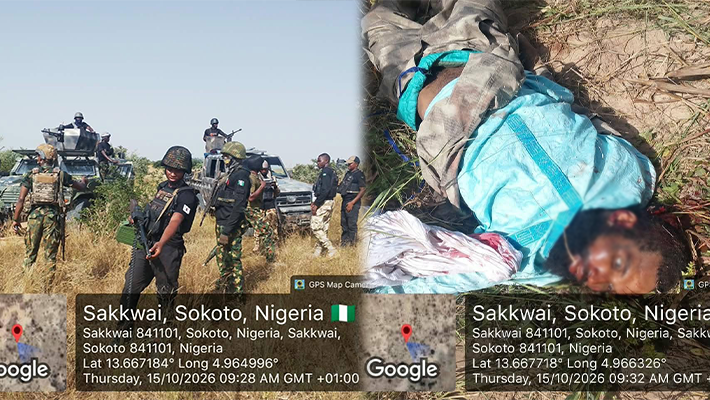
Troops kill Lakurawa fighters, recover five motorcycles in Sokoto operation
The spokesperson for the operation, made the announcement in a statement on Thursday.

Showbiz
Nollywood directors seek grants, tax relief from FG
Mr Agbo said, “Documentary films are primarily for educational purposes.”
Sport
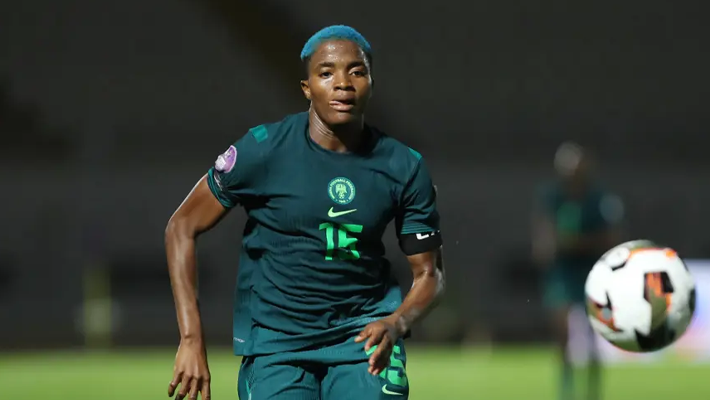
Ajibade updates on injury after Super Falcons trounced Comoros 5-0
Ajibade said, “I am proud of how our team began its road to the Olympics.”
Africa
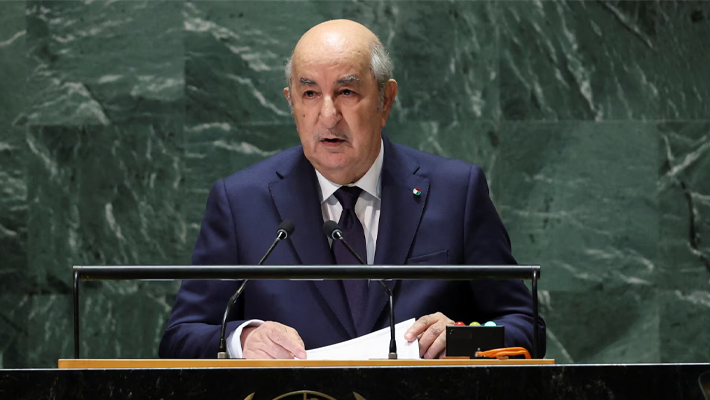
Algeria pledges to improve investment environment, intra-African connectivity
Algerian President Abdelmadjid Tebboune vowed on Wednesday to make 2027 a key year in the nation’s shift to a liberal emerging economy and boost African integration.
Heading 2
Zimbabwean writer Kundizeza fights allegation of using AI to write Caine Prize award-winning novel
Mr Kundizeza has denied using artificial intelligence to write the short story, The Blue Fighter, following a publication in The Atlantic alleging so.

Heading 2
Colleagues, fans mourn gospel singer Toluwanisings
Dare Melody wrote, “Such a rude shock. This one hits differently.”


