

Nigerians urged to turn waste into economic, energy opportunities

Environmental consultant Lawrence Umoh has urged Nigerians to transform urban waste into economic opportunities through recycling, renewable energy, and inclusive waste management.
He said in Abuja on Tuesday that Nigeria should move beyond waste disposal and treat refuse as a resource that can create jobs, generate energy, and support sustainable industries.
He advocated formalising informal waste pickers through cooperative-led extended producer responsibility schemes, saying this would improve recycling, traceability, earnings and access to protective equipment.
According to him, poor first-mile collection remains a major reason refuse accumulates in cities, requiring community drop-off centres and incentives that connect residents directly with recycling markets.
Experts say first-mile refuse collection is the initial pickup of waste from its source, including offices, homes and shops, before it is moved to a central waste collection facility or recycling plant.
He cited a Lagos clean-up where 34 volunteers collected 2.1 tonnes of plastic, earning N47,000 after sorting the materials and linking them with recycling markets.
Mr Umoh also recommended integrated waste-to-energy hubs where food waste could undergo anaerobic digestion to produce biogas for cooking and electricity, alongside nutrient-rich fertiliser.
“Agricultural residues and other dry waste can be processed into supplementary cementitious materials, reducing dependence on high-emission cement in construction,” he said.
The expert said that artificial intelligence and Internet of Things sensors could improve such facilities by monitoring methane production, predicting maintenance needs and maintaining material quality.
He urged governments to adopt green public procurement policies, including the use of waste-derived construction materials and renewable natural gas, to create guaranteed markets for investors.
Mr Umoh cautioned against traditional mass-burn incineration because of concerns over toxic emissions, saying integrated systems could generate renewable fuel and useful materials with fewer harmful by-products.
He identified inadequate standards for waste-derived products and the absence of a clear biogas policy framework as major barriers to large-scale investment.
The expert called for regulatory reforms to build investors’ confidence and accelerate Nigeria’s transition from waste disposal to a circular economy.
(NAN)

We have recently deactivated our website's comment provider in favour of other channels of distribution and commentary. We encourage you to join the conversation on our stories via our Facebook, Twitter and other social media pages.

More from Peoples Gazette

States
Independence: NBA urges Nigerians to expect better future
The NBA said that ordinary Nigerians should be deriving benefit from the subsidy removal rather than hardship.

Agriculture
FG tasks ECOWAS on leveraging financing strategies for agroecology
The federal government has urged stakeholders in the agriculture and finance sectors in the West Africa region to leverage financing strategies to enhance agroecology practices

Politics
Katsina youths pledge to deliver over 2 million votes to Atiku
“Katsina State is Atiku’s political base because it is his second home.”
Heading 5
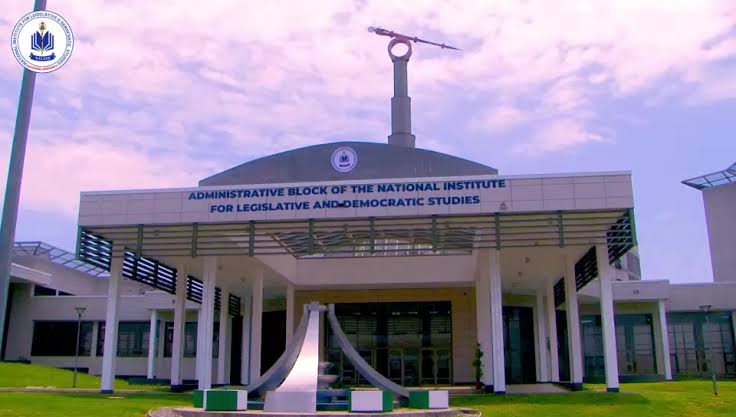
NILDS seeks stronger role for women in governance
According to the DG, democracy in Nigeria has come to stay and requires collective commitment.

Lagos
Lagos recruits 45 personnel to boost enforcement on Lekki-Epe corridor
Mr Osiyemi noted that the corridor had staffing challenges that slowed down operations.
Heading 2
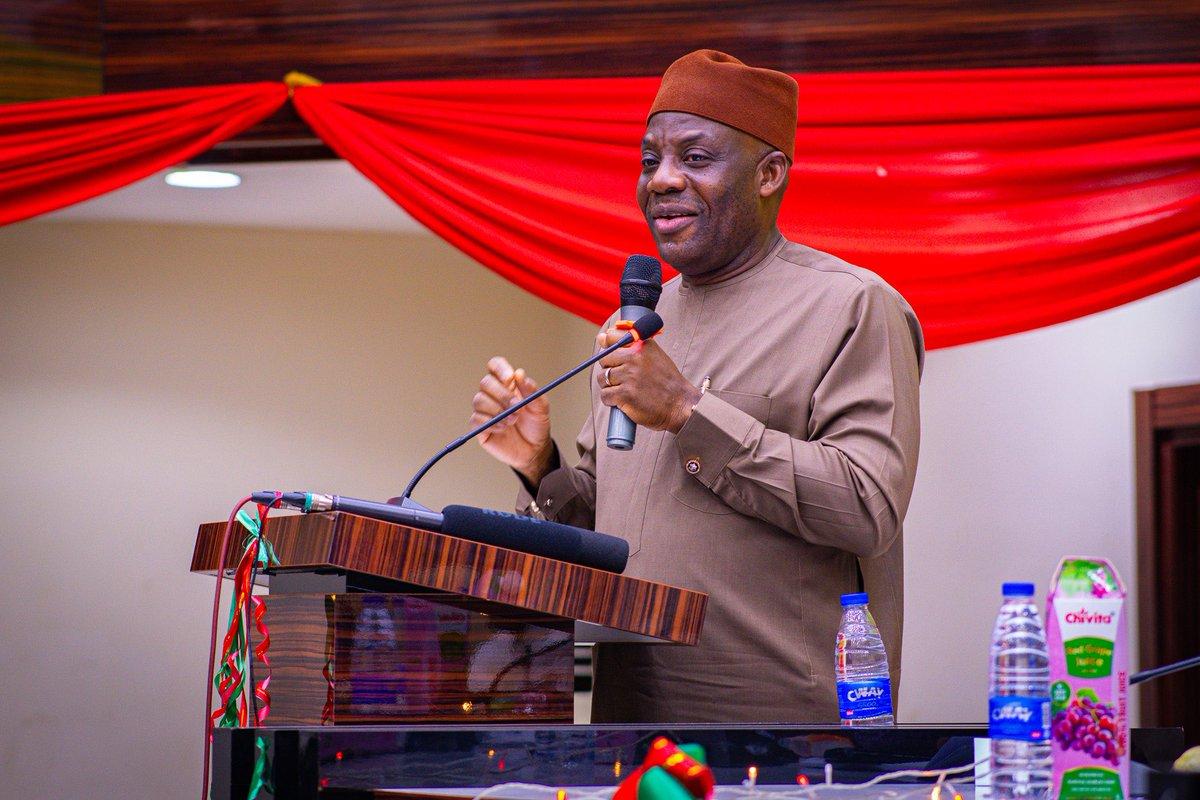
Education minister inaugurates Nigeria’s first robotic surgery academy
Mr Alausa said the initiative would expand advanced medical training.
Health
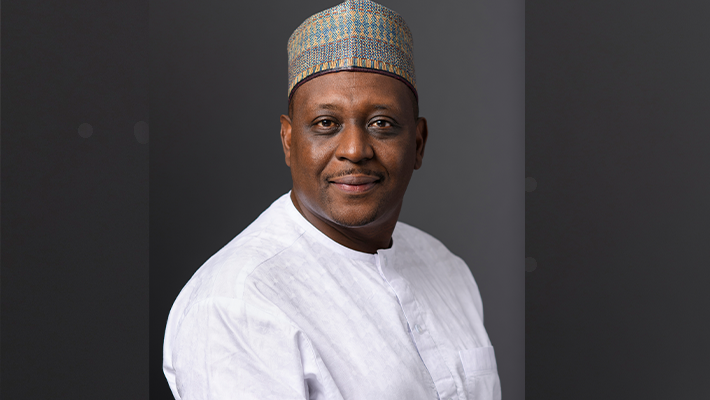
Pate warns politicians against politicising Ebola case
Mr Pate said health is a unifying issue that transcends political, ethnic and religious affiliations.
Economy
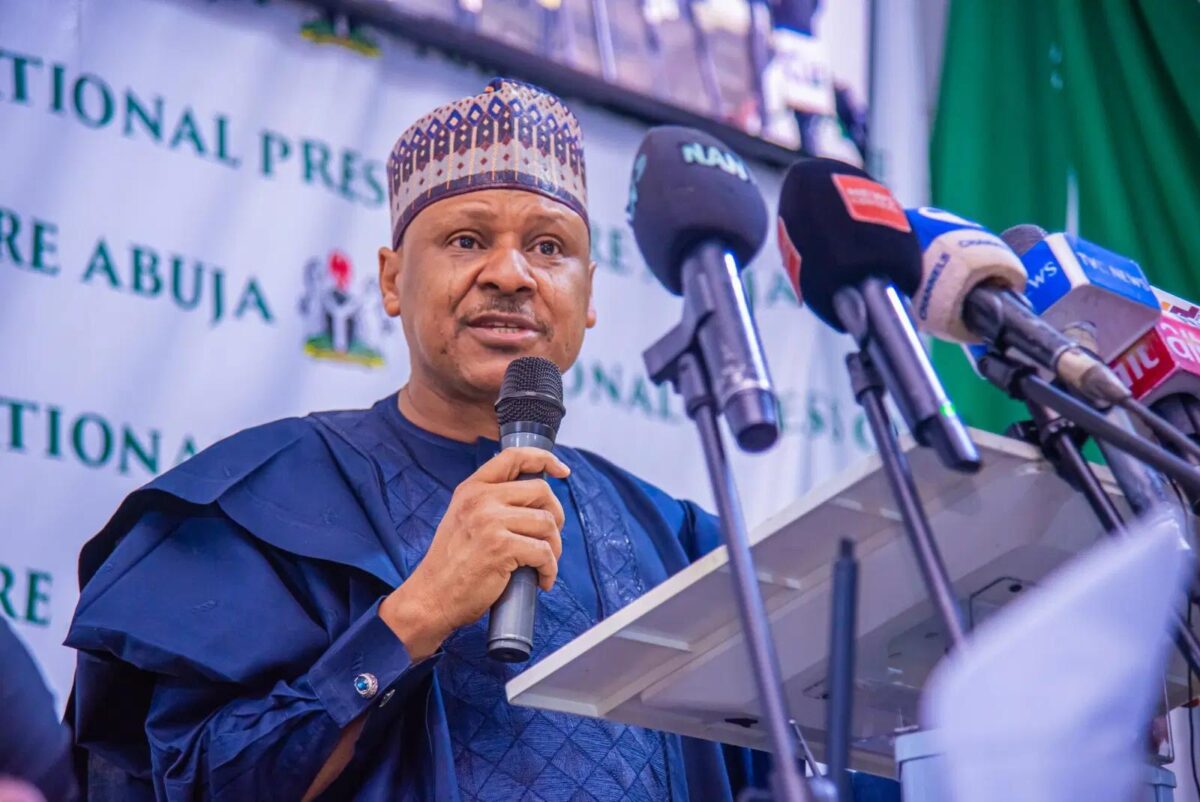
Tinubu’s economic reforms paving way for prosperity: Minister
The minister explained that the reforms were deliberate and courageous, aimed at addressing longstanding structural weaknesses.

Health
Kaduna expands last-mile health supply project to 1,000 facilities
Ms Isyaku said four zonal warehouses in Ikara, Sabon Gari, Zaria and Kafanchan, established under the project, were operational.


