

WHO validates Bhutan’s elimination of dog-transmitted rabies

The World Health Organisation (WHO) has validated Bhutan’s elimination of dog-transmitted human rabies as a public health problem, making it the first country in its South-East Asia region to achieve the milestone.
A statement released on Friday said Bhutan has maintained zero human deaths from dog-mediated rabies since June 2023.
It said the achievement followed more than a decade of sustained investment in rabies prevention and control and reflected Bhutan’s strong One Health approach.
According to the statement, the approach brought together human and animal health authorities, communities and other sectors to prevent rabies transmission.
It quoted WHO Director-General Tedros Ghebreyesus as congratulating Bhutan, saying the achievement advanced the global goal of ending human deaths from dog-transmitted rabies by 2030.
“Rabies is a viral disease that is almost always fatal once clinical symptoms appear, but deaths are preventable through dog vaccination and timely post-exposure prophylaxis.
“Post-exposure prophylaxis includes thorough wound washing, human rabies vaccination and, when indicated, administration of rabies immunoglobulins following exposure.
“Vaccinating dogs remains a key strategy for controlling rabies because it prevents transmission at its primary source and reduces the risk of human infection,” it said.
According to the statement, Bhutan’s success was supported by integrated surveillance, strategic planning and coordinated action between health and veterinary authorities.
It said that when suspected rabies cases were reported, human and animal health authorities collaborated to identify exposures and, where necessary, conducted joint investigations.
The statement said Bhutan’s experience showed that eliminating dog-mediated human rabies is achievable through strong leadership, community participation, and multisectoral collaboration.
Nilesh Buddha, officer-in-charge of the WHO South-East Asia region, lauded Bhutan’s national leadership and mature One Health approach in tackling rabies.
“The country’s programme also benefited from the work of De-suung volunteers, known as ‘Guardians of Peace’, who helped expand dog vaccination, population management and community awareness.
“WHO’s validation followed a rigorous assessment against established criteria for eliminating dog-transmitted human rabies as a public health problem.
“The regional Dossier Review Group, convened by WHO with support from the World Organisation for Animal Health (WOAH), conducted a two-phase assessment,” he said.
According to the statement, the assessment included a desk review of Bhutan’s elimination dossier, followed by a field mission conducted from August 17 to August 22.
It said that during the mission, experts visited national, regional and sub-district health facilities to verify evidence supporting Bhutan’s elimination claim.
“The review team also conducted laboratory walk-throughs and examined programme records and information systems used for rabies surveillance and response.
“The assessment included a visit to the Bhutan-India border area and consultations with programme personnel and multisectoral stakeholders.
“Bhutan’s Ministry of Health and Ministry of Agriculture and Livestock led the elimination effort in collaboration with partners, local governments and communities. The programme was initiated through the Nationwide Accelerated Dog Population Management and Rabies Control Programme, supported by national leadership,” it said.
According to the statement, Bhutan would sustain universal, free access to post-exposure prophylaxis across all 20 Dzongkhags, or districts, to protect people following possible rabies exposure.
“Mass dog vaccination, dog population management and integrated human-animal surveillance will continue under the programme’s next phase.
“The country will also strengthen cross-border coordination with neighbouring Indian states to reduce the risk of rabies reintroduction,” it said.
WHO representative to Bhutan, Bhupinder Aulakh, said the achievement was built on years of investment in One Health and universal health coverage.
It said WHO and WOAH provided technical support for Bhutan’s rabies programme, while the Bhutan Health Trust Fund and partners, including the Pandemic Fund, provided financing.
(NAN)

We have recently deactivated our website's comment provider in favour of other channels of distribution and commentary. We encourage you to join the conversation on our stories via our Facebook, Twitter and other social media pages.

More from Peoples Gazette

States
Independence: NBA urges Nigerians to expect better future
The NBA said that ordinary Nigerians should be deriving benefit from the subsidy removal rather than hardship.

Agriculture
FG tasks ECOWAS on leveraging financing strategies for agroecology
The federal government has urged stakeholders in the agriculture and finance sectors in the West Africa region to leverage financing strategies to enhance agroecology practices

Politics
Katsina youths pledge to deliver over 2 million votes to Atiku
“Katsina State is Atiku’s political base because it is his second home.”
Heading 5
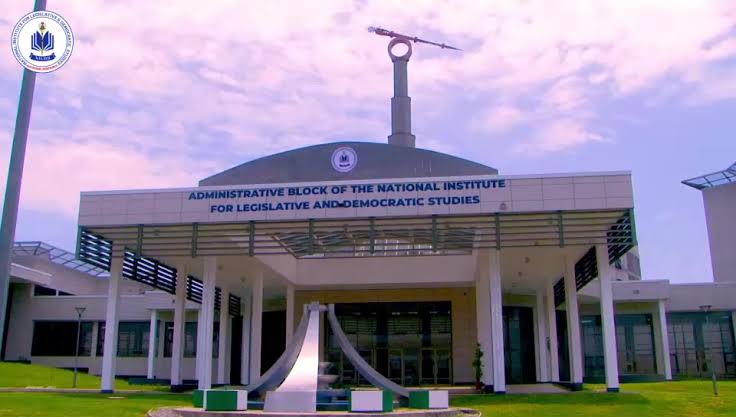
NILDS seeks stronger role for women in governance
According to the DG, democracy in Nigeria has come to stay and requires collective commitment.

Lagos
Lagos recruits 45 personnel to boost enforcement on Lekki-Epe corridor
Mr Osiyemi noted that the corridor had staffing challenges that slowed down operations.

Heading 2
Education minister inaugurates Nigeria’s first robotic surgery academy
Mr Alausa said the initiative would expand advanced medical training.
Health
Pate warns politicians against politicising Ebola case
Mr Pate said health is a unifying issue that transcends political, ethnic and religious affiliations.
Economy
Tinubu’s economic reforms paving way for prosperity: Minister
The minister explained that the reforms were deliberate and courageous, aimed at addressing longstanding structural weaknesses.

Health
Kaduna expands last-mile health supply project to 1,000 facilities
Ms Isyaku said four zonal warehouses in Ikara, Sabon Gari, Zaria and Kafanchan, established under the project, were operational.


