

Borno traders raise alarm over circulation of fake N1,000 notes in markets

Traders at the Kwaya Kusar Grains Market in Kwaya Kusar Local Government Area (LGA) of Borno have raised the alarm over the circulation of counterfeit N1,000 notes.
A cross-section of the traders raised their concerns in separate interviews with journalist in Kwaya Kusar community on Saturday.
According to them, the issue was not limited to the Kwaya Kusar market but cut across other markets in Biu and Bayo LGAs, where they normally bought their commodities depending on their market days.
They said the issue was affecting their businesses and sabotaging economic activities at the markets, while eroding trust between traders and their customers.
Ibrahim Yusuf, a grain trader from Gombe Main Market who came to Kwaya Kusar market to buy maize, said he had been a victim of fake currency notes twice.
“About three weeks ago, I went to Biu grain market to buy some bags of maize, and I was given four pieces of fake N1,000 notes, and I didn’t realise until I was in transit.
“It was when I was about to pay the driver that I saw one new N1,000 note that was very light and felt unusual in my hand, and I suspected it was fake.”
He said he immediately called the person who gave him the currency to complain after discovering three other pieces of such notes in the cash he withdrew.
“My profit is not much, as I make between N3,000 and N4,000 per bag after taking out transportation cost.
“Now I bought three bags, meaning I am expecting roughly N12,000 but now I have N4,000 counterfeit notes, which means my profit margin has been reduced,” he said.
He said the government and relevant authorities should visit the various markets in Biu, Kwaya Kusar and even Shani rural markets to mop up the counterfeit notes and find their source.
“This is highly imperative, especially now that farmers have started harvesting their produce, which will surely increase the volume of trade in the markets.
“Urgent action from relevant agencies is necessary to protect traders from making huge losses,” Mr Yusuf said.
Also speaking, Hassan Mai-Dawa said he was once a victim of fake N1,000 notes, which he collected from one of the point-of-sale (POS) operators in Kwaya Kusar.
He said it was when he went to deposit the money in the bank that the notes were discovered to be fake.
Mr Mai-Dawa said many of the traders did not collect transfers, so he had to withdraw from POS operators to be able to buy his goods.
“I think this is something the government should come in because I also faced similar issues in Biu market.
“Many traders do not know the difference; so, we use the fake note alongside the original ones,” he said.
Hauwa Aminu, a rice trader, said she often noticed some unusual new N1,000 notes among her cash, but she never really bothered because people collected them from her.
Mrs Aminu recounted an incident where she almost fought with a buyer who needed a refund after depositing cash the previous day.
“I gave him the cash I had, and he rejected some of the notes, but I insisted that I am not the one printing them.
“It was an intense argument, and since then, that buyer never came back to my shop to buy from me,” she said.
Mrs Aminu, however, appealed to the government to send its officials to some of the rural markets to monitor the situation and make necessary arrests to protect traders.
Others who spoke but did not want their names mentioned also lamented their ordeals because they could not identify the counterfeit notes from the original ones.
They called for massive sensitisation to enable local traders to identify counterfeit notes and protect their businesses.
(NAN)

We have recently deactivated our website's comment provider in favour of other channels of distribution and commentary. We encourage you to join the conversation on our stories via our Facebook, Twitter and other social media pages.

More from Peoples Gazette

States
Independence: NBA urges Nigerians to expect better future
The NBA said that ordinary Nigerians should be deriving benefit from the subsidy removal rather than hardship.

Agriculture
FG tasks ECOWAS on leveraging financing strategies for agroecology
The federal government has urged stakeholders in the agriculture and finance sectors in the West Africa region to leverage financing strategies to enhance agroecology practices

Politics
Katsina youths pledge to deliver over 2 million votes to Atiku
“Katsina State is Atiku’s political base because it is his second home.”
Heading 4
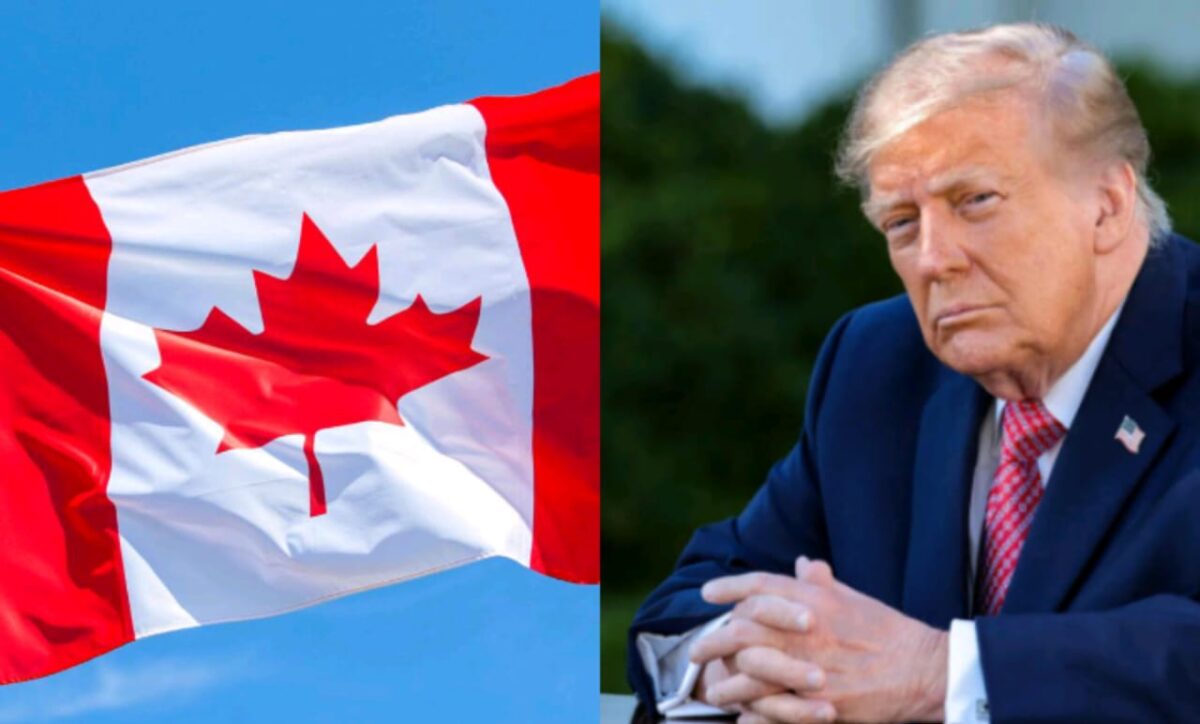
Trump lifts 50% tariffs on Canadian goods ahead of U.S. midterms
A Republican candidate in a key Senate race,Susan Collins, said she lobbied for the removal of tariffs on Canadian products.
Heading 3
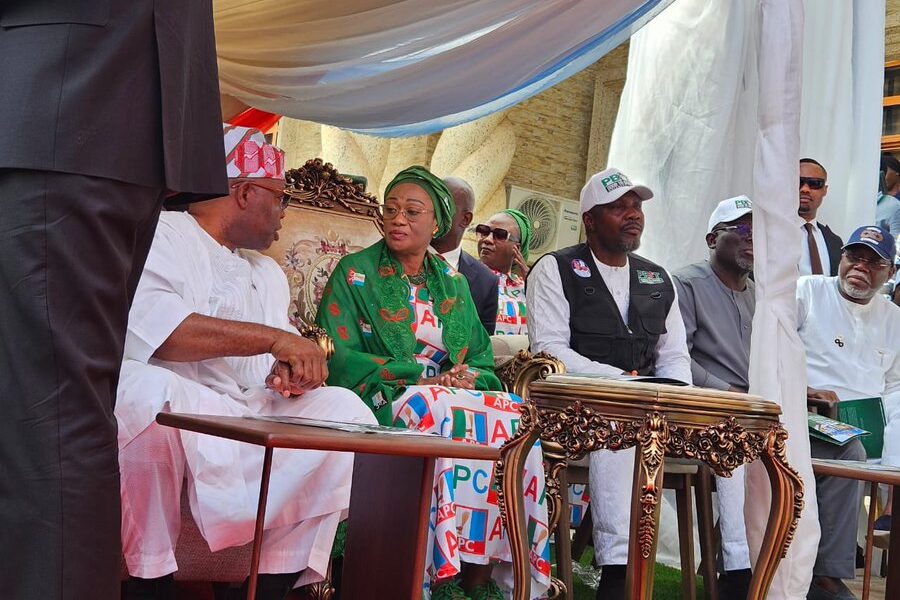
APC will give those who don’t see good things happening in Nigeria Tinubu glasses to see clearly: Remi Tinubu
Mrs Tinubu prayed that she plans to leave the Aso Rock in 2031.

Africa
Nigeria hosts African counter-terrorism forum in Abuja Monday
Mr Adamu said the proposed forum would review progress under the Abuja Process.

Diaspora
U.S. declares two Nigerians Ezechukwu, Olukoya wanted over conspiracy, $3.1 million medicare fraud
The health department said Mr Ohaka falsely referred to himself as Dr. Joshua Ohaka.

Uncategorized
Bundibugyo Ebola in DRC, Kenya, Nigeria requires strengthened regional surveillance: WHO
The WHO said transmission remained high in the DRC.
Heading 1
Trump administration deported 980,000 migrants in 18 months: Report
The report stated that across all 980,000 deportations carried out by ICE or CBP, 20 per cent (190,000) involved a non-citizen convicted of a crime.


