

Only 2% of global COVID-19 vaccines administered in Africa: WHO
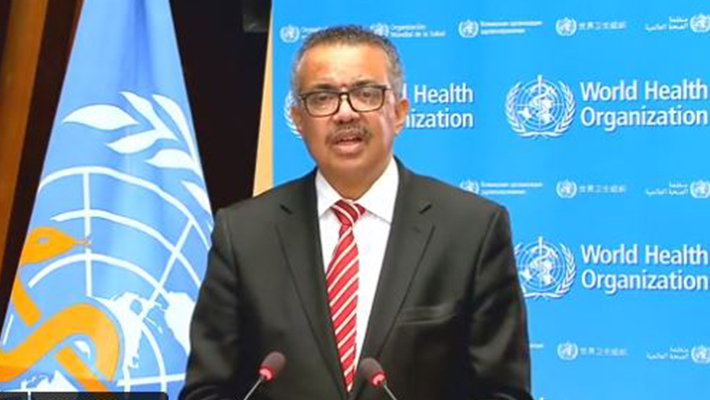
A measly two per cent of the global 5.7 billion COVID-19 vaccines have been administered in Africa, the World Health Organisation (WHO) has said.
WHO Director-General, Tedros Ghebreyesus, made this revelation at a press conference on COVID-19 and vaccine equity in Africa.
Home to more than 1.2 billion people, Mr Ghebreyesus said so far, just two countries in Africa have reached the 40 per cent target, the lowest of any region.
The UN agency is urging every country to vaccinate at least 40 per cent of its population by the end of 2021. WHO hopes to help ensure that 70 per cent of the world’s population gets vaccinated by the middle of 2022.
Mr Ghebreyesus said the poor figure was not because African countries don’t have the capacity or experience to roll out COVID-19 vaccines. He said, “It’s because they’ve been left behind by the rest of the world.”
He explained that “this leaves people at high risk of disease and death, exposed to a deadly virus against which many other people around the world enjoy protection”.
The longer vaccine inequity persists, the more the virus keeps circulating and changing, the longer the social and economic disruption will continue, and the higher the chances of more variants emerging and rendering vaccines less effective, he argued.
To avoid this scenario, in 2020, WHO partnered with UNICEF, CEPI, GAVI and others to create COVAX. So far, the initiative has shipped more than 260 million doses to 141 countries.
Mr Ghebreyesus pointed to several challenges, with manufacturers prioritising bilateral deals and many high-income countries tying up the global supply of shots.
He also highlighted a similar initiative, established by the African Union, the COVID-19 Vaccine Acquisition Task Team, known as AVAT.
On Monday and Tuesday, WHO representatives met with the leaders of AVAT “to agree on a way forward”, Ghebreyesus said: “Vaccine inequity is a solvable problem.”
He called on manufacturers to prioritise COVAX and AVAT.
To countries with high coverage levels, he asked them to swap their near-term vaccines deliveries, fulfil their dose-sharing pledges immediately, and facilitate the sharing of technology.
The WHO chief called on countries and manufacturers to share information on bilateral deals, supply and delivery projections and to recognise all vaccines with a WHO Emergency Use Listing.

We have recently deactivated our website's comment provider in favour of other channels of distribution and commentary. We encourage you to join the conversation on our stories via our Facebook, Twitter and other social media pages.

More from Peoples Gazette

Agriculture
FG tasks ECOWAS on leveraging financing strategies for agroecology
The federal government has urged stakeholders in the agriculture and finance sectors in the West Africa region to leverage financing strategies to enhance agroecology practices

Politics
Katsina youths pledge to deliver over 2 million votes to Atiku
“Katsina State is Atiku’s political base because it is his second home.”
Lagos
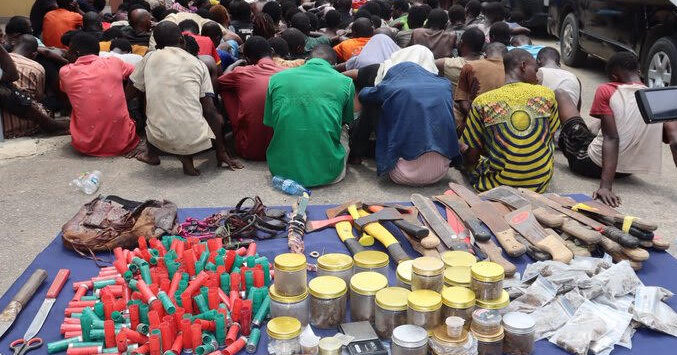
Police nab 147 suspected criminals in Lagos
The operatives targeted criminal hideouts across the state on Sunday, July 19, 2026.

Heading 1
Tinubu names Fayose, 25 others in new appointments
All the appointments take immediate effect.
Heading 4
Names, countries of drug dealers, fraudsters Trump admin wants to revoke their U.S. citizenship
According to the DoJ, the complaints were filed over the last 30 days.
Anti-Corruption
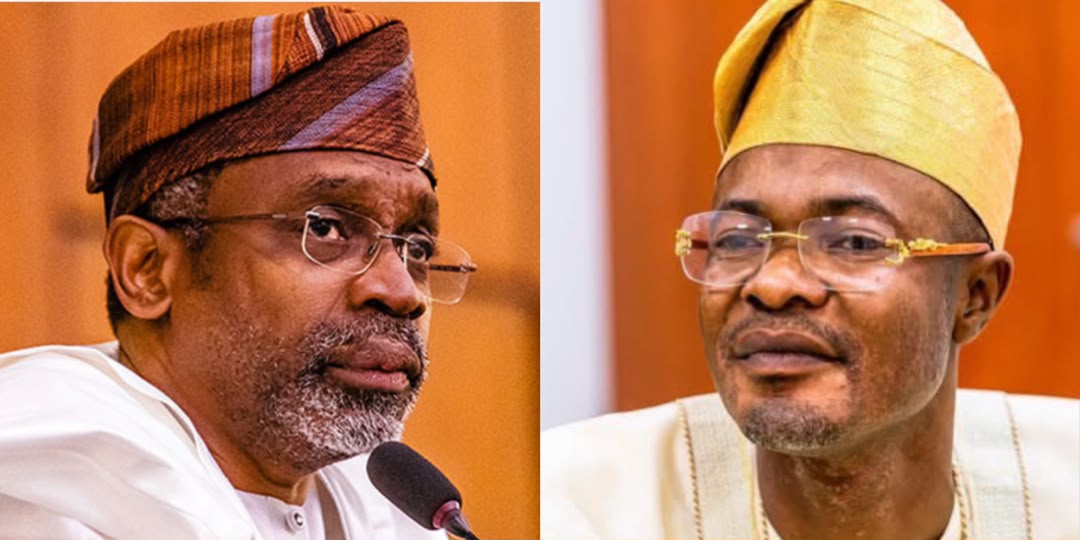
Gbajabiamila back to office after ICPC grilled him over N400 million PFIPC bribery: Lawyer
Mr Adeyemi was arrested shortly after the Abuja Division of the Federal High Court last Tuesday issued a warrant for his arrest.

Heading 2
Kano begins second round of maternal, neonatal tetanus elimination campaign
He said the teams vaccinated 1,339,871 women out of the 1,388,396 targeted.

Abuja
FRSC launches operation ‘Sauka Lafiya’ to curb road crashes in FCT, Niger
FRSC deployed 3,339 personnel, 69 patrol vehicles, 18 ambulances, four tow trucks and 24 motorcycles.


