

Only 2% of global COVID-19 vaccines administered in Africa: WHO
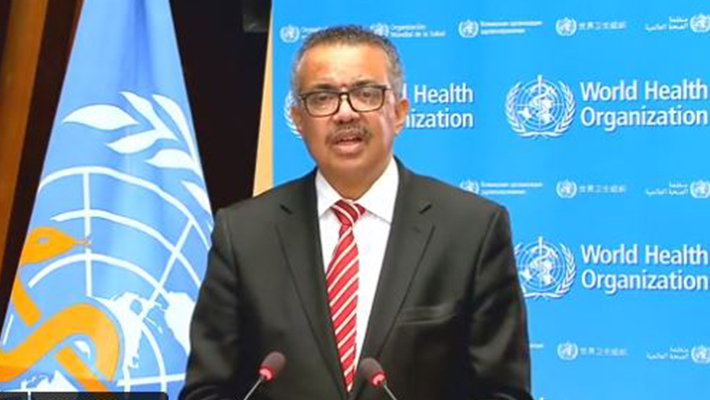
A measly two per cent of the global 5.7 billion COVID-19 vaccines have been administered in Africa, the World Health Organisation (WHO) has said.
WHO Director-General, Tedros Ghebreyesus, made this revelation at a press conference on COVID-19 and vaccine equity in Africa.
Home to more than 1.2 billion people, Mr Ghebreyesus said so far, just two countries in Africa have reached the 40 per cent target, the lowest of any region.
The UN agency is urging every country to vaccinate at least 40 per cent of its population by the end of 2021. WHO hopes to help ensure that 70 per cent of the world’s population gets vaccinated by the middle of 2022.
Mr Ghebreyesus said the poor figure was not because African countries don’t have the capacity or experience to roll out COVID-19 vaccines. He said, “It’s because they’ve been left behind by the rest of the world.”
He explained that “this leaves people at high risk of disease and death, exposed to a deadly virus against which many other people around the world enjoy protection”.
The longer vaccine inequity persists, the more the virus keeps circulating and changing, the longer the social and economic disruption will continue, and the higher the chances of more variants emerging and rendering vaccines less effective, he argued.
To avoid this scenario, in 2020, WHO partnered with UNICEF, CEPI, GAVI and others to create COVAX. So far, the initiative has shipped more than 260 million doses to 141 countries.
Mr Ghebreyesus pointed to several challenges, with manufacturers prioritising bilateral deals and many high-income countries tying up the global supply of shots.
He also highlighted a similar initiative, established by the African Union, the COVID-19 Vaccine Acquisition Task Team, known as AVAT.
On Monday and Tuesday, WHO representatives met with the leaders of AVAT “to agree on a way forward”, Ghebreyesus said: “Vaccine inequity is a solvable problem.”
He called on manufacturers to prioritise COVAX and AVAT.
To countries with high coverage levels, he asked them to swap their near-term vaccines deliveries, fulfil their dose-sharing pledges immediately, and facilitate the sharing of technology.
The WHO chief called on countries and manufacturers to share information on bilateral deals, supply and delivery projections and to recognise all vaccines with a WHO Emergency Use Listing.

We have recently deactivated our website's comment provider in favour of other channels of distribution and commentary. We encourage you to join the conversation on our stories via our Facebook, Twitter and other social media pages.

More from Peoples Gazette

Agriculture
FG tasks ECOWAS on leveraging financing strategies for agroecology
The federal government has urged stakeholders in the agriculture and finance sectors in the West Africa region to leverage financing strategies to enhance agroecology practices

Politics
Katsina youths pledge to deliver over 2 million votes to Atiku
“Katsina State is Atiku’s political base because it is his second home.”
Lagos
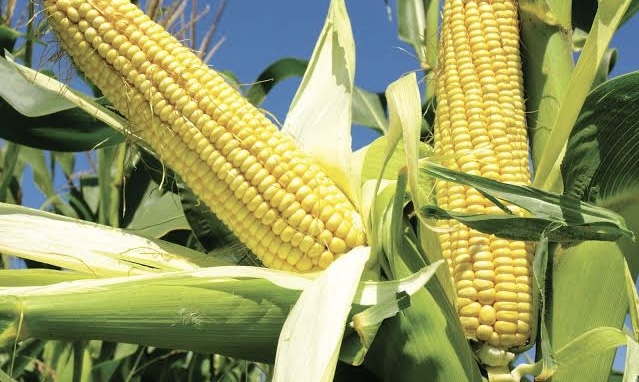
Lagos residents decry soaring corn prices
A corn trader, Justina Odion, blamed the high retail price on increased wholesale costs.
NationWide
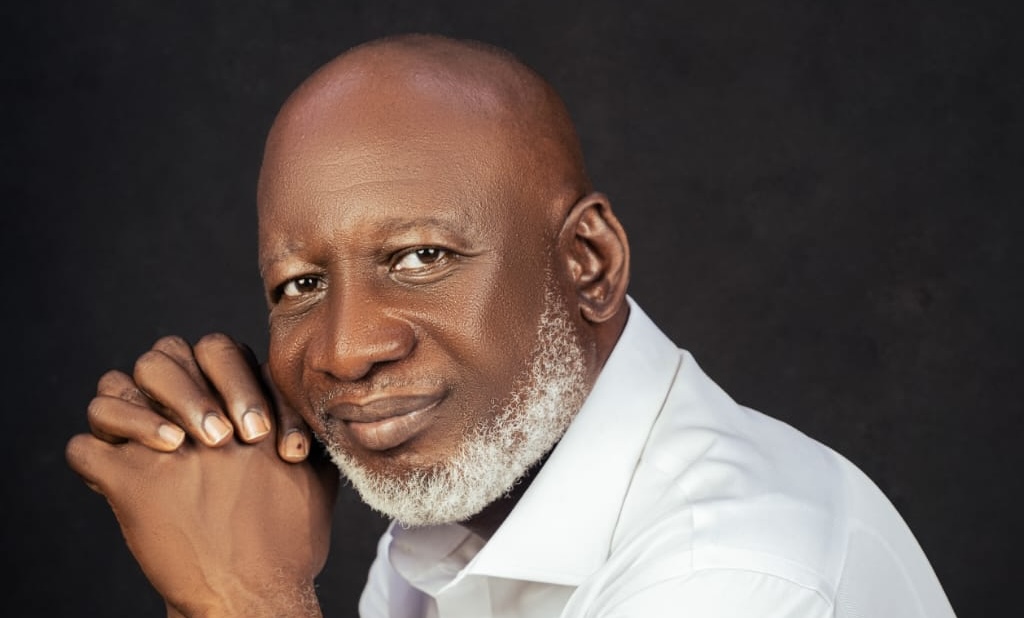
Afam Okeke wins NBA general secretary election with 8,478 votes
The live results portal showed that a total of 82,167 voters were accredited for the general election held on Saturday.

States
Tinubu is pillar of my infrastructural development: Gov Sani
The governor said that the N1 trillion Light Rail Project will commence in the next two months.

States
Troops foil abduction of Borno female students
He said that the terrorists reportedly gained access to the facility with the assistance of suspected collaborators

Rights
Civil society organisations key to strengthening Nigeria’s democracy: CDHR
He said civil society organisations serve as a bridge between the government and the people.
NationWide
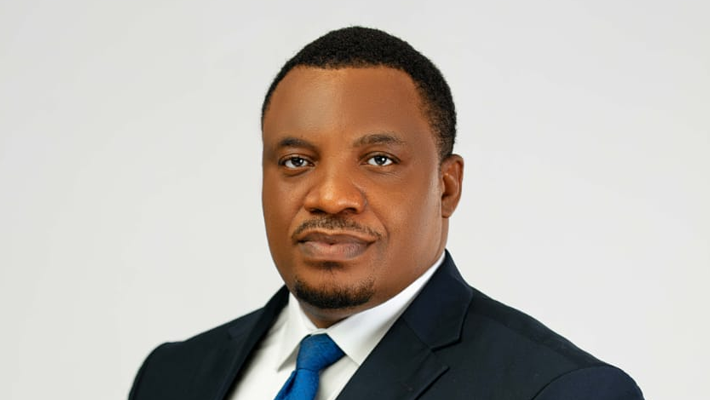
2027: Nigeria won’t drift into one-party state, says LP presidential candidate
Mr Okereke described the one-party state narrative as a mere political construct.


